
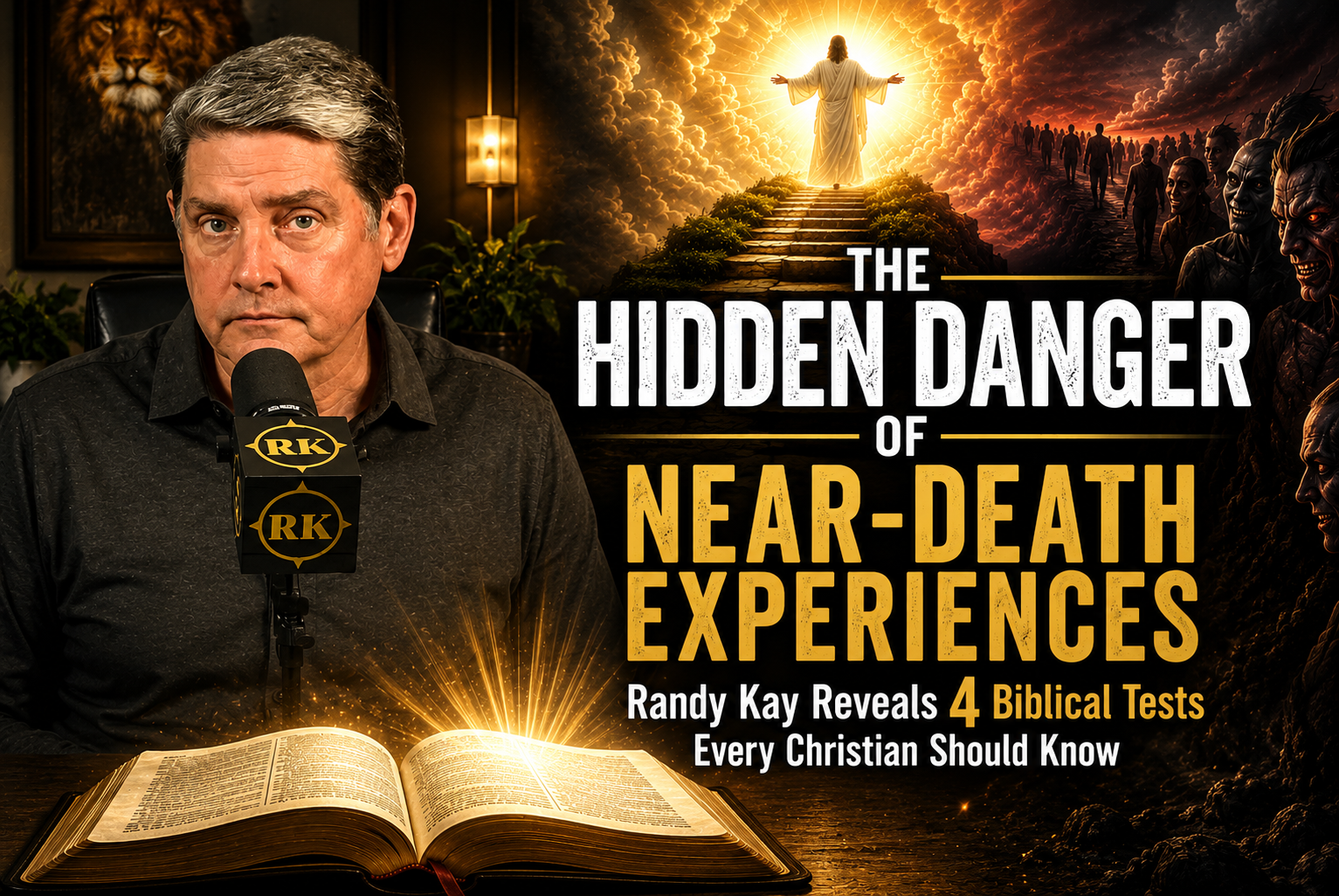
Near-death experiences have become one of the fastest-growing genres of Christian content online. Social media feeds are filled with dramatic testimonies of people claiming to have visited heaven, witnessed hell or returned with messages about eternity.
While many believers find these stories inspiring, author Randy Kay says Christians should approach every account with one question above all others: Does it align with the Word of God?
In a recent teaching, Kay—who experienced a clinical death after suffering cardiac arrest years ago—warned that not every supernatural encounter necessarily points people toward Christ. In fact, he believes some of the greatest deception comes through experiences that appear loving, peaceful and even heavenly.
“The most dangerous near-death experience isn’t the one that was fake,” Kay said. “It’s the one that was real and met the wrong thing.”
Drawing from both Scripture and years of interviewing hundreds of people who say they have experienced the afterlife, Kay outlined four biblical tests he believes every Christian should use before accepting any near-death testimony.
1. Does It Agree With Scripture?
Every evaluation begins with the Bible—not the experience itself.
Kay argues that no testimony, regardless of how emotional or convincing it may seem, should ever carry more authority than God’s written Word. If an experience teaches that everyone goes to heaven, that all religions lead to God, that there is no judgment, that humanity is inherently divine, or that people receive multiple chances through reincarnation, Kay says it immediately fails the first test because those ideas contradict Scripture.
“The question was never, ‘Did you experience something?'” Kay said. “The question is, who did you meet and what did they tell you?”
Pointing to passages including Hebrews 9:27, John 14:6 and Paul’s warning that even an angel preaching a different gospel should be rejected, Kay maintains that the Bible remains the final authority over every supernatural claim.
2. Look for Verification, Not Just Emotion
Kay’s second test focuses on evidence.
While acknowledging that many people sincerely believe what they experienced, he encourages believers to ask whether there is independent corroboration for the account. That might include documented medical records, eyewitness confirmation or verified observations made while a person was clinically unconscious.
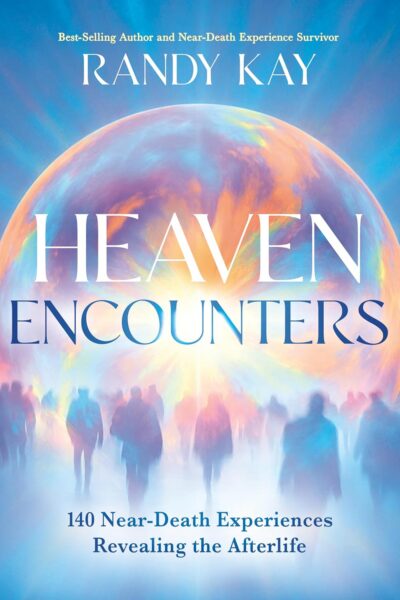
To order Randy Kay’s new book, Heaven Encounters, visit Amazon.com.
Kay also cautions against overstating evidence simply to make a testimony more persuasive. He discusses several well-known cases in near-death research, noting both their strengths and the questions critics have raised. Rather than weakening authentic testimonies, he believes intellectual honesty ultimately strengthens them.
3. Examine the Messenger
Perhaps Kay’s most practical test has little to do with the experience itself and everything to do with the person sharing it.
After interviewing hundreds of individuals who claim to have encountered eternity, Kay says genuine encounters with God often produce humility before they produce publicity. He contrasts reluctant witnesses with those who quickly build platforms around extraordinary claims, encouraging Christians to consider whether a testimony is producing lasting spiritual fruit or simply attracting attention.
Referencing both his own decision to remain silent about his experience for years and the Apostle Paul’s delayed account of being caught up to the “third heaven,” Kay suggests restraint can sometimes be a mark of authenticity.
4. Know What Actually Happened
Finally, Kay encourages believers to distinguish between different kinds of supernatural experiences.
He separates documented clinical death, near-death trauma and spiritual visions into three distinct categories, arguing they should not be treated as interchangeable. While he believes God can work through each, he says they carry different levels of evidential support and should be described honestly rather than sensationally.
Kay also discusses scientific research surrounding cardiac arrest and brain activity, acknowledging ongoing debate while arguing that certain documented cases remain difficult to explain through natural processes alone. At the same time, he insists Christians should never exaggerate medical evidence to strengthen their case because truth does not need embellishment.
As stories of heaven and the afterlife continue to captivate millions online, Kay believes Christians should resist both extremes—blindly accepting every testimony or dismissing them altogether. Instead, he calls believers to practice biblical discernment.
The issue is ultimately not whether an experience feels profound, emotional or even supernatural. The defining question is whether it points people back to Jesus Christ as revealed in Scripture.
In an age when extraordinary claims can spread across the internet in a matter of hours, Kay argues that the safest place for believers is not to be anchored in remarkable experiences but in the unchanging truth of God’s Word.
Abby Trivett is a writer and editor for Charisma Media and has a passion for sharing the gospel through the written word. She holds two degrees from Regent University, a B.A. in Communication with a concentration in Journalism and a Master of Arts in Journalism. She is the author of the newly released book, The Power of Suddenly: Discover How God Can Change Everything in a Moment. For interviews and media inquiries, please contact [email protected].
