
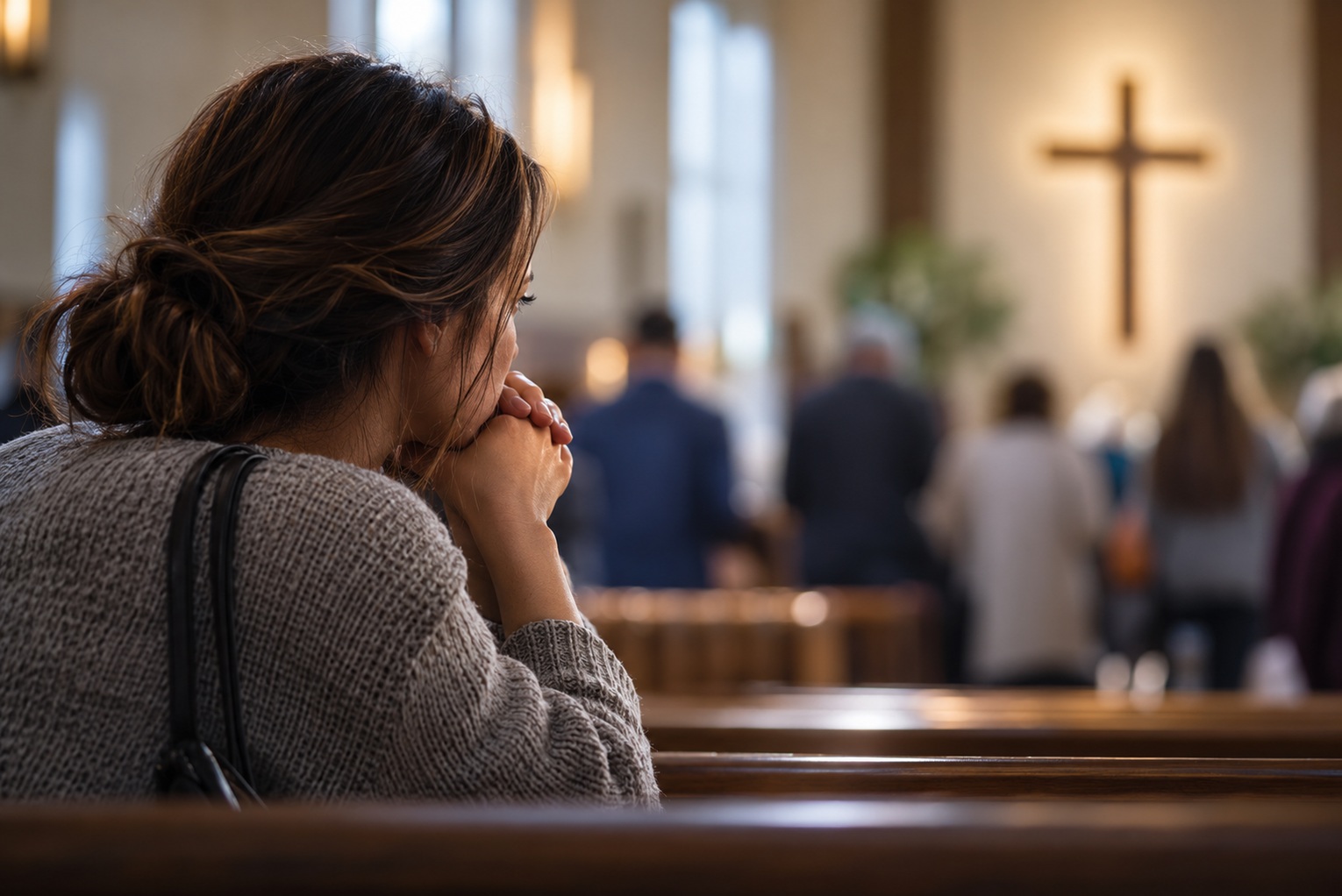
Every Sunday, people walk through your church doors carrying burdens you may never see. Among them are victims of domestic violence—one of the most committed yet least reported crimes in the U.S., according to FBI statistics. Ministry leaders have a heart to minister to those who are broken and hurting, and that includes victims of domestic violence.
Ministries must be able to recognize the signs, respond wisely to protect the victim and your people, and create environments where healing can begin.
“Whenever there’s a history of abuse and violence, counseling becomes very dangerous,” said Mike McCarty, founder and CEO of Ministry Defender Solutions and former violent crime detective with the Metro Nashville Police Department. But here’s the hard truth: well-meaning efforts can sometimes do more harm than good. “Whether it’s unintentionally leading the victim to disclose the abuse in front of their spouse, or providing counsel that doesn’t clearly admonish the abuser’s actions, saying the wrong words can get the abused party hurt,” he cautioned.
How Couples Counseling Can Become Dangerous
Domestic violence takes many forms including emotional, financial, and physical. Nearly half of women report emotional and psychological abuse, and 2 in 5 women report physical violence.1
While many churches seek to help domestic abuse victims emotionally through ministry programs, it’s also important to consider the physical safety of victims and the broader church body during ministry activities.
It’s natural to want to bring reconciliation and healing to broken relationships. But when domestic violence is involved, traditional couples counseling can actually put the victim at greater risk. History of abuse and violence is very dangerous in a counseling environment.
“Domestic violence isn’t about anger. It’s about control and manipulation,” said McCarty. “Abusers are often master manipulators, capable of twisting words and even deceiving counselors.”
In a counseling setting, the abused partner may feel pressure to speak openly and honestly, which can provoke retaliation later. This dynamic is complex and dangerous. “Reconciliation is not the starting point, safety is,” he said.
Equipped to Heal
When it comes to counseling individuals or families affected by domestic violence, you need specialized training. Without it, even the best intentions can lead to further harm to the victim or targeted attacks against the ministry.
“If someone seeks counseling, something is broken. Ministries need to be cognizant that what they say in counseling doesn’t cause a flashpoint, which can cause abuse to escalate,” said Tanner Guthrie, an attorney at Brotherhood Mutual with experience in family law. Each state has laws and guidelines around domestic violence counseling, and most have coalitions offering free resources—both secular and faith-based. These programs are designed to address the psychological aspects of abuse and help perpetrators take responsibility for their actions. Don’t try to do it alone. Partner with local experts. Learn your state’s laws. Equip your team.
Safety First: Protocols That Protect
If your ministry serves victims of domestic violence, you also open up new risks—especially for the victims. If an abuser knows where a victim works, worships, or seeks help, those places can become targets. Ministries must understand this and implement safety protocols. Consider where and when counseling happens. Is the location secure? Are staff trained to handle disclosures safely? Could a child be abducted during a custody dispute? These are real risks that require thoughtful planning.
Check Their Backgrounds
Since counseling carries such high stakes, it’s important to gather as much background information as possible on both parties. Guthrie strongly advises ministries to search the names of those they’re meeting with. “Get their permission to run a background check so you’re not missing anything.” Brotherhood Mutual recommends Ministry Defender Solutions for background checks.
Guthrie’s experience in family law has taught him some important questions to ask anyone seeking counseling that could potentially be related to domestic issues.
- Have you ever had to call the police during an argument? If police do show up and charges aren’t pressed, that could be a sign of domestic abuse. The abused might be afraid that the aggressor won’t be able to provide financially, so they don’t press charges.
- Monday through Friday, what are your roles? This exposes how each feels. This can also expose if one person is not pulling their weight.
- In the last 30 days, what were your high points and low points? This can expose where the relationship is and how volatile it could be.
- Tell me about your finances. Relationship issues are often rooted in financial instability. This question helps you determine the extent to which finances are impacting the relationship, and it can expose financial abuse.
Protective Orders – A Red Flag
If a counselee has a protective order, that’s valuable information. But many ministries don’t know what they mean or how they can find them. They are private in most states, so you may have to ask the victim if there is one. Protective orders may include the home, school, employer, and other addresses, which could include your church.
“If you don’t know what the order says, you could cause the parties to violate the order. For example, if you invite both parties to counseling, you could unknowingly cause a violation of the order that could result in a criminal charge against the respondent,” said Guthrie.
Know Your Liability
While there’s liability risk when counseling others, there’s also protection. Talk to your insurance agent about the available liability coverages so your ministry can confidently care for those who are hurting.
For more information about safety and security issues at church, visit the Brotherhood Mutual Safety Library.
If you or someone you know is experiencing domestic violence, help is available.
National Domestic Violence Hotline
1-800-799-SAFE (7233) Text “START” to 88788
1 The National Intimate Partner and Sexual Violence Survey. CDC Factsheet. https:// www.cdc.gov/nisvs/documentation/NISVSReportonIPV_2022.pdf Accessed September 26, 2025.
The information provided in this article is intended to be helpful, but it does not constitute legal advice and is not a substitute for the advice from a licensed attorney in your area.
Brian Lindquist is a senior risk management writer for Brotherhood Mutual Insurance Company and the Brotherhood Works brand. He works closely with risk control, underwriting, claims, legal and benefits staff, and with outside experts to research ways ministries can care for their people and protect their property and programs.
