The ancient Book of Enoch is receiving massive attention across Christian media, podcasts, YouTube channels and even mainstream news.
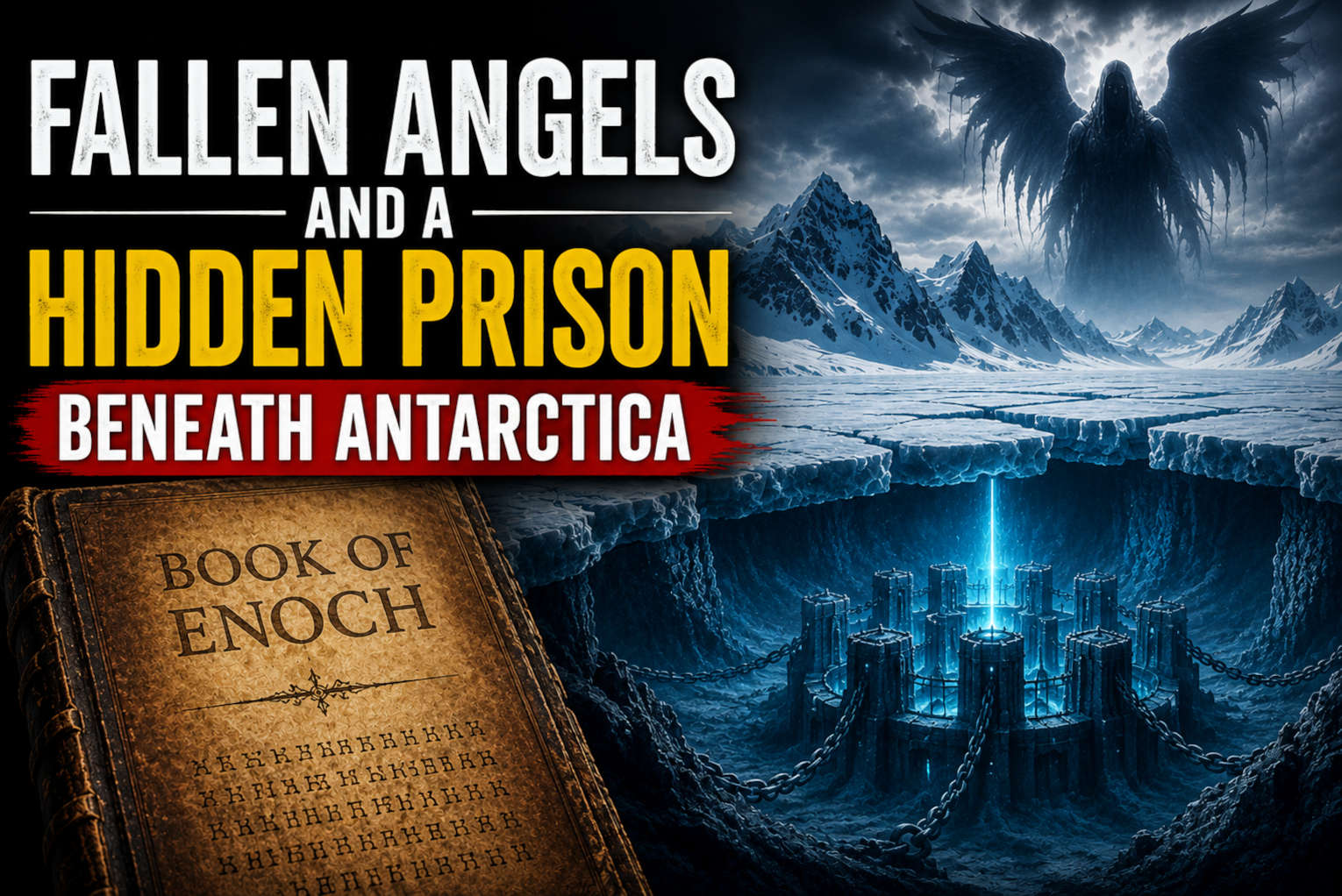
A recent Daily Mail report highlighting claims that Enoch describes a prison for fallen angels beneath Antarctica is just the latest example of the growing fascination surrounding the ancient text.
For Christians, however, the bigger story is not whether Enoch points to Antarctica or another mysterious location. It is understanding what the Book of Enoch is—and what it is not.
The Book of Enoch is an ancient Jewish work that expands on the brief account of the Watchers and the Nephilim in Genesis 6. While it remains part of the biblical canon in the Ethiopian Orthodox Church, it was not accepted into the biblical canon recognized by most Christian traditions. That means it should never be treated as equal to the inspired Word of God.
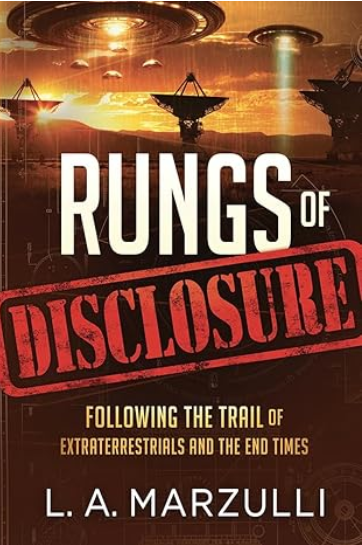
Order L.A. Marzulli’s Book, “The Rungs of Disclosure” on Amazon.com!
Ancient writings like Enoch can offer historical insight into beliefs that existed during the Second Temple period and provide helpful context for passages in Scripture. But they are not the foundation for our Christian doctrine.
Every teaching, tradition and historical document must ultimately be measured against the Bible.
That principle is especially important as more ministries and content creators discuss the Nephilim, fallen angels and spiritual warfare. These conversations can encourage deeper Bible study, but they can also tempt believers to build conclusions on material that extends beyond what Scripture clearly reveals.
The recent theory about Antarctica is one example. While some have pointed to Enoch’s descriptions of imprisoned heavenly beings, “chambers of cold,” and the “end of heaven and earth” as evidence of a prison beneath the Antarctic ice, neither the Book of Enoch nor the Bible explicitly identifies Antarctica as the location.
The Daily Mail also noted that mainstream biblical scholars generally interpret those passages as describing a supernatural realm rather than a physical place on Earth.
We should also exercise caution with teachings and traditions that developed outside the biblical canon. Some concepts associated with later Enochic tradition, including discussions surrounding the angelic being Metatron, go well beyond what Scripture teaches and should not be used as the basis for doctrine.
Curiosity about ancient writings is not wrong. But our faith is built on God’s revealed Word, not on speculation or extra-biblical literature. The Book of Enoch may be useful as a historical resource when approached with discernment, but mature believers should always test its claims against Scripture and remember that the Bible alone remains the final authority for faith and doctrine.
James Lasher, a seasoned writer and editor at Charisma Media, combines faith and storytelling with a journalism background from Otterbein University and ministry experience in Guatemala and at the LA Dream Center. A Marine Corps and Air Force veteran, he is the author of The Revelation of Jesus: A Common Man’s Commentary and a contributor to Charisma magazine. For interviews and media inquiries, please contact [email protected].