
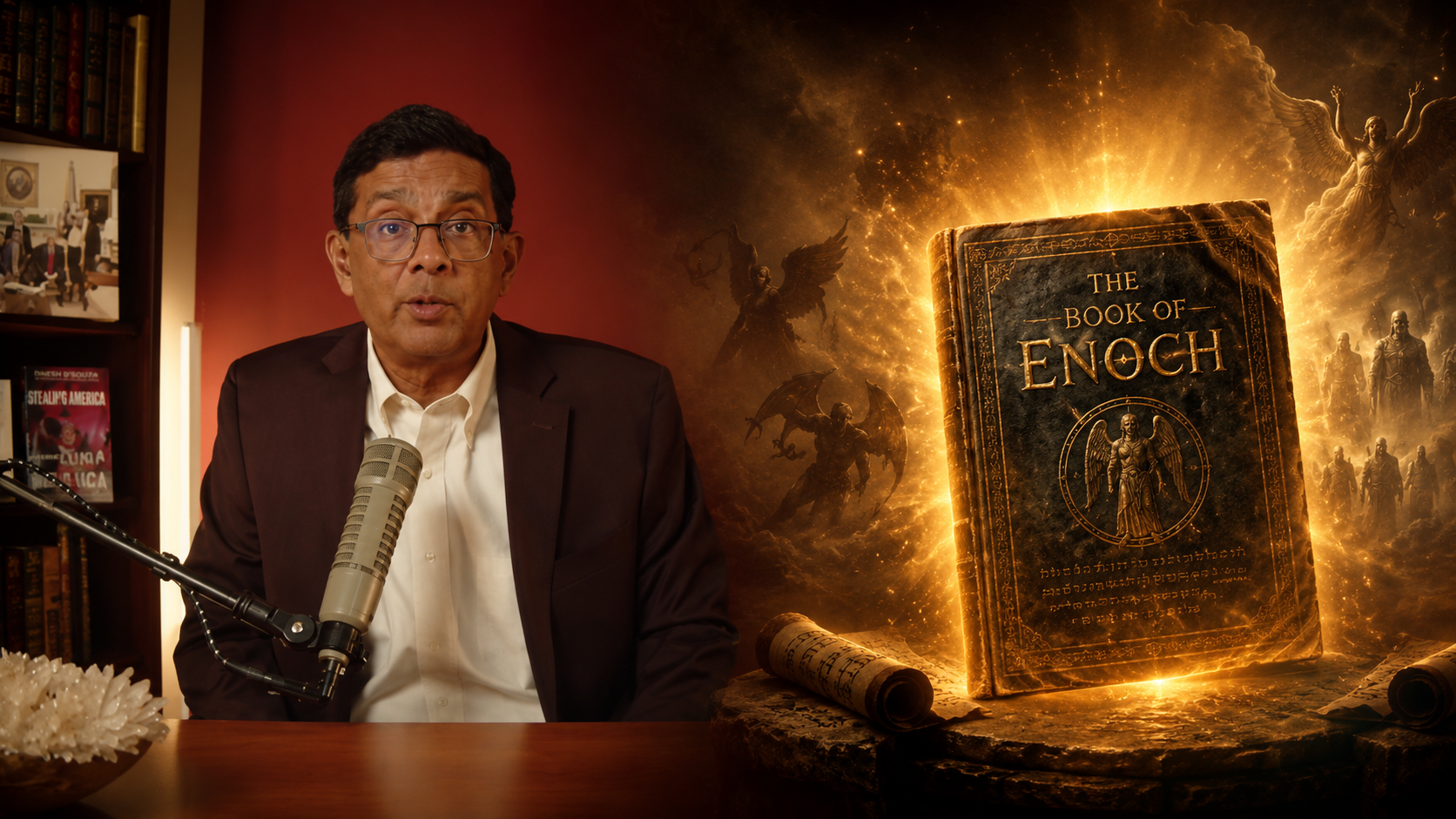
In an age when social media is filled with claims that the Bible was manipulated, edited or even invented by powerful religious leaders, many believers are asking an important question: How did the books of the Bible actually come together?
According to author and filmmaker Dinesh D’Souza, the answer is far different from the popular myths often promoted by skeptics and Hollywood productions.
In a recent discussion, D’Souza tackled one of Christianity’s most persistent challenges: If the Bible is God’s Word, who decided which books belonged in it—and why were others left out?
“The Bible is not really a single book,” D’Souza explained. “The Bible is a collection of books written by many different writers over a long period of time.”
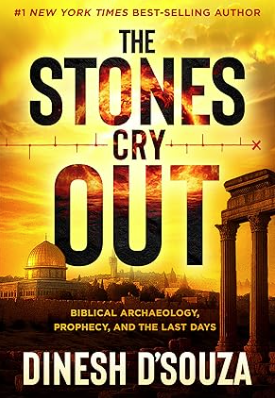
To order Dinesh D’Souza’s new book, The Stones Cry Out, visit Amazon.com.
That reality has led many critics to suggest that church leaders, centuries later, simply selected the books they preferred and discarded the rest. But D’Souza argues the historical evidence tells a different story.
One of the most common misconceptions is that the biblical canon was created at the Council of Nicaea in A.D. 325 under Emperor Constantine.
D’Souza says that claim is simply false.
“There was indeed a Council of Nicaea,” he noted, but the issue of the biblical canon “never even came up.” Instead, the council focused primarily on clarifying the nature of Christ and addressing theological controversies surrounding His divinity.
Rather than being created in a single moment, D’Souza argues that the canon developed through a process of recognition. Early believers circulated, copied and treasured writings they believed carried apostolic authority and divine inspiration.
By the late second century, church leaders such as Irenaeus were already citing the majority of the books that now make up the New Testament. By the third century, the Christian scholar Origen referenced all 27 books recognized today.
“The church did not create the Bible,” D’Souza contends. Instead, believers gradually recognized the books that were already functioning as Scripture within the Christian community.
This also helps explain why certain writings never became part of the Bible.
Books such as the Gospel of Thomas and the Gospel of Peter were written well after the apostolic era. They contained teachings that differed significantly from those taught by Jesus’ original followers. Likewise, the book of Enoch, though respected by many ancient readers, was viewed as a commentary rather than divinely inspired Scripture.
According to D’Souza, the early church generally recognized four key marks of canonical books: apostolic connection, widespread acceptance among believers, consistency with established doctrine and evidence of spiritual fruit.
This history provides confidence that the Bible did not emerge through political maneuvering or institutional power plays. Rather, it reflects the careful preservation of writings that believers recognized as carrying the voice of God.
In a culture increasingly questioning biblical authority, the story of the Bible serves as a powerful reminder: Scripture was not manufactured by men. It was faithfully recognized, preserved and passed down by generations of believers convinced they were handling the very Word of God.
Abby Trivett is a writer and editor for Charisma Media and has a passion for sharing the gospel through the written word. She holds two degrees from Regent University, a B.A. in Communication with a concentration in Journalism and a Master of Arts in Journalism. She is the author of the newly released book, The Power of Suddenly: Discover How God Can Change Everything in a Moment. For interviews and media inquiries, please contact [email protected].
