
You can lift your hands in worship and still carry a wound you have never let anyone see. The service ends. The room empties. That old conversation starts playing in your mind again.
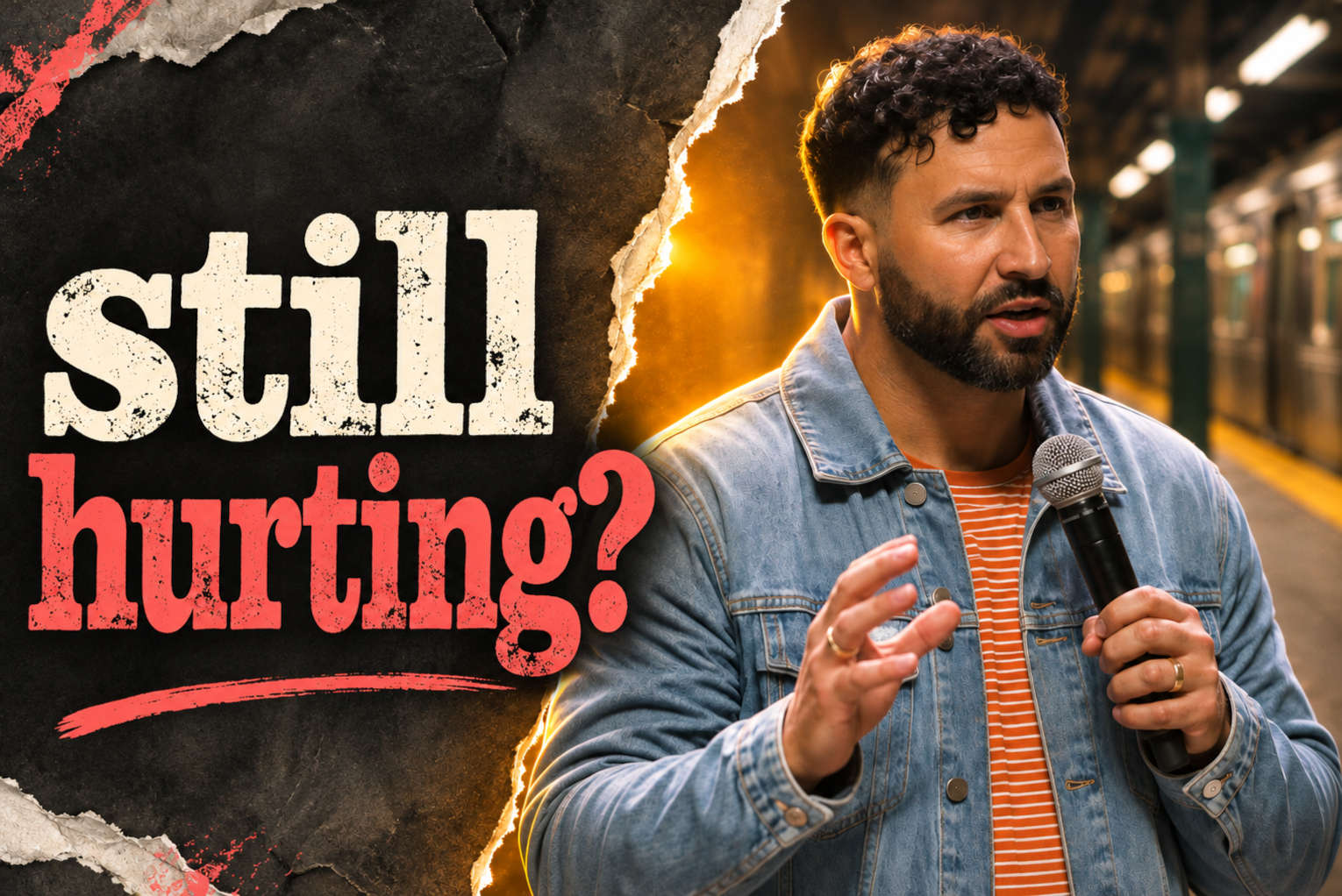
Pastor Mike Signorelli confronted that struggle in a V1 Church sermon, “How to Heal From Past Hurt (Without Pretending You’re Fine),” challenging the pressure Christians sometimes face to bury their suffering beneath spiritual language.
“We put people in this prison of positivity,” he said.
When someone experiences abuse, divorce or trauma, demands to stay positive can leave them afraid to acknowledge what happened. Signorelli pointed to Lamentations 3:19–24, where the writer openly remembers affliction and bitterness before declaring hope in God’s mercy.
Scripture gives us words for grief. We can bring the wound into God’s presence.
“There’s a remembrance of what happened, but there’s a remembrance of what God did after it happened,” Signorelli said.
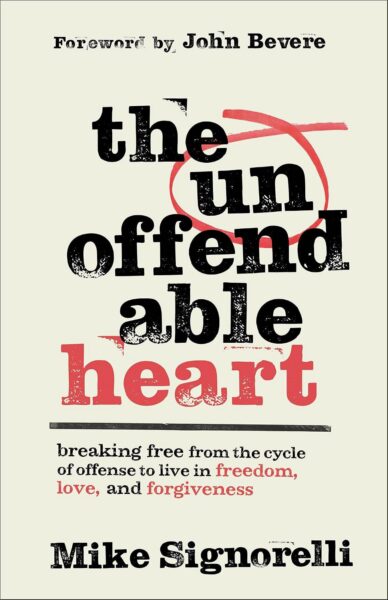
Order Mike Signorelli’s New Book, “Unoffendable Heart” on Amazon.com!
That distinction runs through his teaching on the “chamber of memory,” a metaphor for the part of our inner life where past experiences shape present expectations.
Someone leaves, and the heart starts expecting everyone to leave. A failure becomes a verdict on your identity. Betrayal convinces you that trusting again will only bring more pain.
“Memory gives you information, but it does not determine the destination,” Signorelli said.
Those memories deserve attention because their influence can reach far beyond the original offense. He compared unresolved hurt to a bee sting that leaves its stinger behind.
“You have to remove the stinger even though the bee is gone,” he said.
The person who hurt you could be long gone while bitterness continues affecting your marriage, your words or your willingness to serve. Drawing from Proverbs 4:23, Signorelli urged Christians to guard the heart, the source from which those responses flow.
An unoffendable heart still feels pain, he explained. It can confront evil and continue loving through life’s difficulties.
Healing also requires challenging the authority we give other people’s opinions.
“As long as people are your source of affirmation, you also give them an opportunity to be your source of offense,” Signorelli said.
God’s declaration over our lives must carry greater weight than rejection.
Signorelli pointed to Joseph, who endured betrayal, slavery and imprisonment before becoming fruitful in Egypt. The land associated with his suffering also became the place where God worked through him to preserve lives.
Our history remains real. So does the power of God to work within it.
Signorelli urged Christians to bring their desires before the Lord again and invite the Holy Spirit into memories they have carried for years.
“The age of your wound does not determine the availability of God’s mercy,” he said.
James Lasher, a seasoned writer and editor at Charisma Media, combines faith and storytelling with a journalism background from Otterbein University and ministry experience in Guatemala and at the LA Dream Center. A Marine Corps and Air Force veteran, he is the author of The Revelation of Jesus: A Common Man’s Commentary and a contributor to Charisma magazine. For interviews and media inquiries, please contact [email protected].
