

Pastor Mike Signorelli had reason to rejoice. Three Muslim men at his church’s Manhattan campus had come to Christ, received water baptism and later been baptized in the Holy Spirit. His wife held the microphone as they spoke in tongues.
Then, he said, the Lord confronted him with a question about someone he had struggled to see through those same eyes of faith.
“Why have you not prayed for this to happen?”
The person was New York City Mayor Zohran Mamdani.
Signorelli recounted the moment during a conversation with ministry leader and author John Bevere about offense, forgiveness and the bitterness Christians can carry without recognizing it. As Bevere described how prayer changes a wounded heart, Signorelli interrupted with an admission.
“I want to confess one of my sins on this podcast right now,” he said. “In my mind, he became my enemy.”
Signorelli said statements and actions involving Mamdani and his wife had angered him on behalf of his Jewish friends. He preached that Christians wrestle against principalities and powers. Yet in his own heart, the conflict had become Signorelli against Mamdani.
The conversions at V1 Church brought that contradiction into focus. He was celebrating what Jesus had done for three Muslim men while failing to pray for the mayor to experience the same salvation.
Signorelli said he had since begun praying daily for Mamdani, believing God would provide an opportunity to share the truth with him.
Bevere recognized the struggle. He had lived it.
Long before writing The Bait of Satan, Bevere endured a betrayal involving someone he regarded as a father figure, closer to him than his own natural father. The pain remained for roughly two years. During that time, he believed he knew who loved him, who opposed him and whom he could trust.
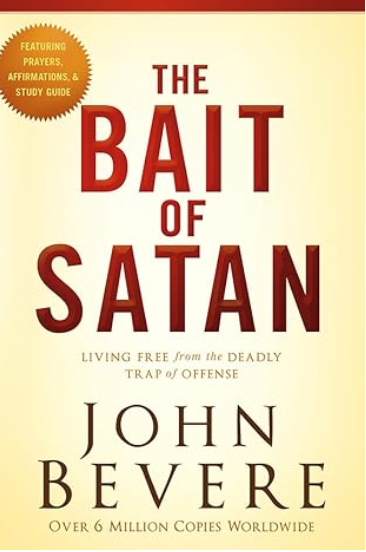
Order John Bevere’s Bestselling Book, “The Bait of Satan” on Amazon.com!
But the offense had changed how he saw people.
“The people that I was drawing to me were offended like I was,” Bevere said. “They actually were unhealthy for me.”
Others reminded him of the person who had wounded him, so he resisted them. Only after he let go of his offense did he realize those people could have helped him.
“My perception was wrong,” he said.
That experience gave weight to Signorelli’s question about Christians who insist they are simply discerning. Bevere knew how convincingly resentment could disguise itself.
Years later, he recalled denying that he was offended with a woman, even when family members challenged him. Then, he said, the Lord asked, “Do you want her to live right next door to you in heaven?”
His resistance exposed what his denials had concealed.
For Bevere, freedom begins with remembering the debt Christ forgave.
“The person that can’t forgive is the person that’s forgotten what they’ve been forgiven of,” he said.
That also means surrendering the demand that an offender apologize first. Bevere pointed to Jesus forgiving from the cross, explaining that forgiveness and the restoration of a relationship are distinct.
“There’s a difference between forgiveness and reconciliation,” he said. “Too many times people lump the two together.”
Still, his own healing required more than recognizing the truth.
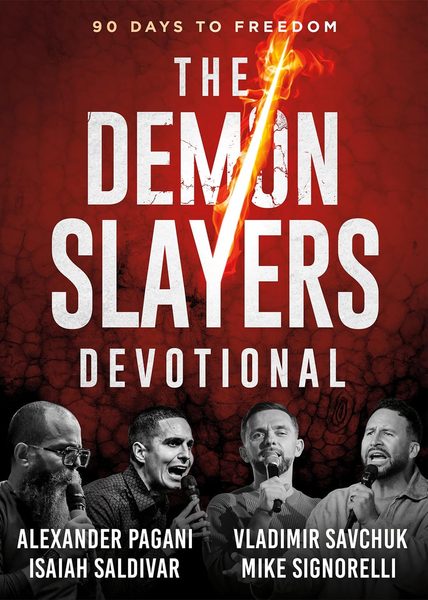
Order Your Copy of “The Demon Slayers Devotional” on Amazon.com!
Following Scripture’s instruction to pray for those who mistreat believers, Bevere began asking God to bless the man who betrayed him. The prayers were brief and reluctant. Five weeks passed, and he said he was no better.
Then he read Psalm 35.
Bevere said the passage challenged him to pray for the man as earnestly as he prayed for himself and his family. He began asking God to strengthen the man’s relationship with Him, bless his ministry, protect his wife and surround him with godly counsel.
The prayers hurt. Bevere compared them to the painful exercises that help an injured athlete recover.
But as he continued, something changed. He became increasingly eager to pray. Eventually, he called out the man’s name and sincerely said, “I love you.”
Bevere shared another experience that spoke directly to Signorelli’s confession. During President Bill Clinton’s administration, he said, anger over Clinton’s leadership gave way to compassion as he prayed for him.
“I realized that I could have a passionate love for that man but not approve the way he was leading,” Bevere said.
The conversation ended with a challenge reaching beyond either man’s personal struggle. Bevere connected offense with Jesus’ warnings about deception and love growing cold, urging Christians to examine the divisions damaging their witness.
“What will change our nation is when we have an awakening, a revival,” he said. “And what is preventing revival is our division among believers.”
James Lasher, a seasoned writer and editor at Charisma Media, combines faith and storytelling with a journalism background from Otterbein University and ministry experience in Guatemala and at the LA Dream Center. A Marine Corps and Air Force veteran, he is the author of The Revelation of Jesus: A Common Man’s Commentary and a contributor to Charisma magazine. For interviews and media inquiries, please contact [email protected].
