
Every leader will make mistakes. The question is whether they learn from them.
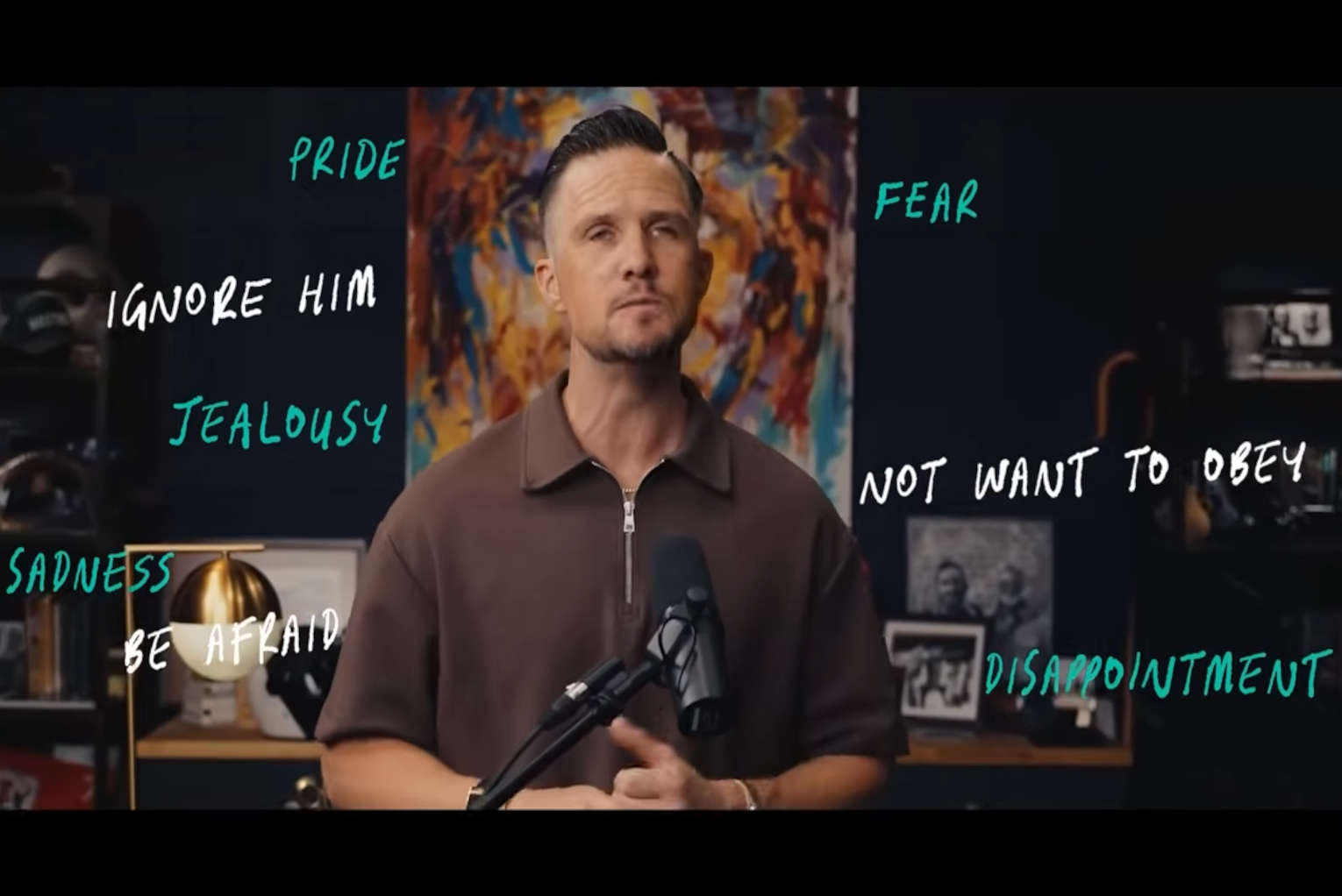
In a recent podcast, Mercy Culture Pastor Landon Schott reflected on some of the biggest leadership failures he has experienced while leading a megachurch. Rather than hiding them, he challenged pastors and ministry leaders to learn from them before making the same costly mistakes.
1. Don’t assume—make sure you’ve heard God
Schott said one of his earliest leadership failures came after God instructed Mercy Culture’s leadership team to move to two Sunday services in January. When the church unexpectedly acquired a much larger building, he assumed that instruction no longer applied.
“We clearly hear God speak to us to go to two services in January,” Schott recalled. But after moving into the larger facility, “I assumed because we got a brand-new building that sat 2,000 people, we didn’t need to go to two services.”
The assumption quickly proved costly as the church reached capacity immediately.
“One of the greatest mistakes I made was making an assumption,” he said.
Schott pointed to biblical examples including Samuel assuming Eliab would become Israel’s next king and David assuming the Ark of the Covenant could be transported however he chose.
“There’s such a big difference between hearing God and making an assumption,” he said. “The fear of the Lord will keep you from making assumptions.”
Order Abby Trivett’s New Book, “The Power of Suddenly” on Amazon.com!
2. Never ignore discernment
Schott said another painful lesson has been disregarding the discernment of trusted leaders around him.
“Every single time I’ve ignored the discernment of the leadership and the team around me, I have paid the price,” he said.
He warned pastors against dismissing prophetic or discerning people simply because they may seem difficult to work with.
“You don’t want to deal with the prophetic people. So, you push those people out,” Schott said. “The problem is you push out the watchmen. You push out the seers. You push out the discerners.”
Instead, he encouraged leaders to intentionally invite input from others.
“I need their eyes and ears. I need their discernment,” he said.
3. Don’t overcorrect
Schott also cautioned against swinging from one unhealthy extreme to another after experiencing poor leadership.
“What happens is it’s like a pendulum that just begins to swing,” he said. “You swing from one unhealthy thing to another unhealthy thing.”
Using his own life as an example, Schott admitted he became so determined not to become a controlling leader that he sometimes withheld honest counsel from people who needed it.
“I’ve learned that I need to be honest with those that I love,” he said. “I don’t want to control you, but I do want to be honest with you.”
4. Don’t compare your pain
Schott described comparing pain as perhaps the greatest lesson he has learned in seven years of leading a megachurch.
For years, he minimized ministry wounds by comparing them to painful experiences involving his father.
“I would say, ‘This is nothing compared to what I went through with my dad,'” he explained.
Eventually, he realized that mindset kept him from processing ongoing hurt.
“Comparing pain is using what hurt you before to justify ignoring what’s hurting you now,” Schott said.
Instead, he encouraged leaders to bring emotional wounds honestly before God, believing healing comes through His presence.
“I’ve learned to be authentic when my feelings are hurt and to deal with it in a healthy way,” Schott said.
Practical leadership lessons
Schott concluded by encouraging leaders to put several practical habits into practice:
- Steward carefully what God has spoken.
- Seek wise counsel before major decisions.
- Slow down enough to hear both God and trusted leaders.
- Be transparent and honest with others.
- Process pain with God instead of ignoring it.
- Learn from both your own mistakes and those of experienced leaders.
“We’re all making mistakes,” Schott said. “But there’s grace when we make mistakes. … I pray that we would learn from it.”
James Lasher, a seasoned writer and editor at Charisma Media, combines faith and storytelling with a journalism background from Otterbein University and ministry experience in Guatemala and at the LA Dream Center. A Marine Corps and Air Force veteran, he is the author of The Revelation of Jesus: A Common Man’s Commentary and a contributor to Charisma magazine. For interviews and media inquiries, please contact [email protected].
