
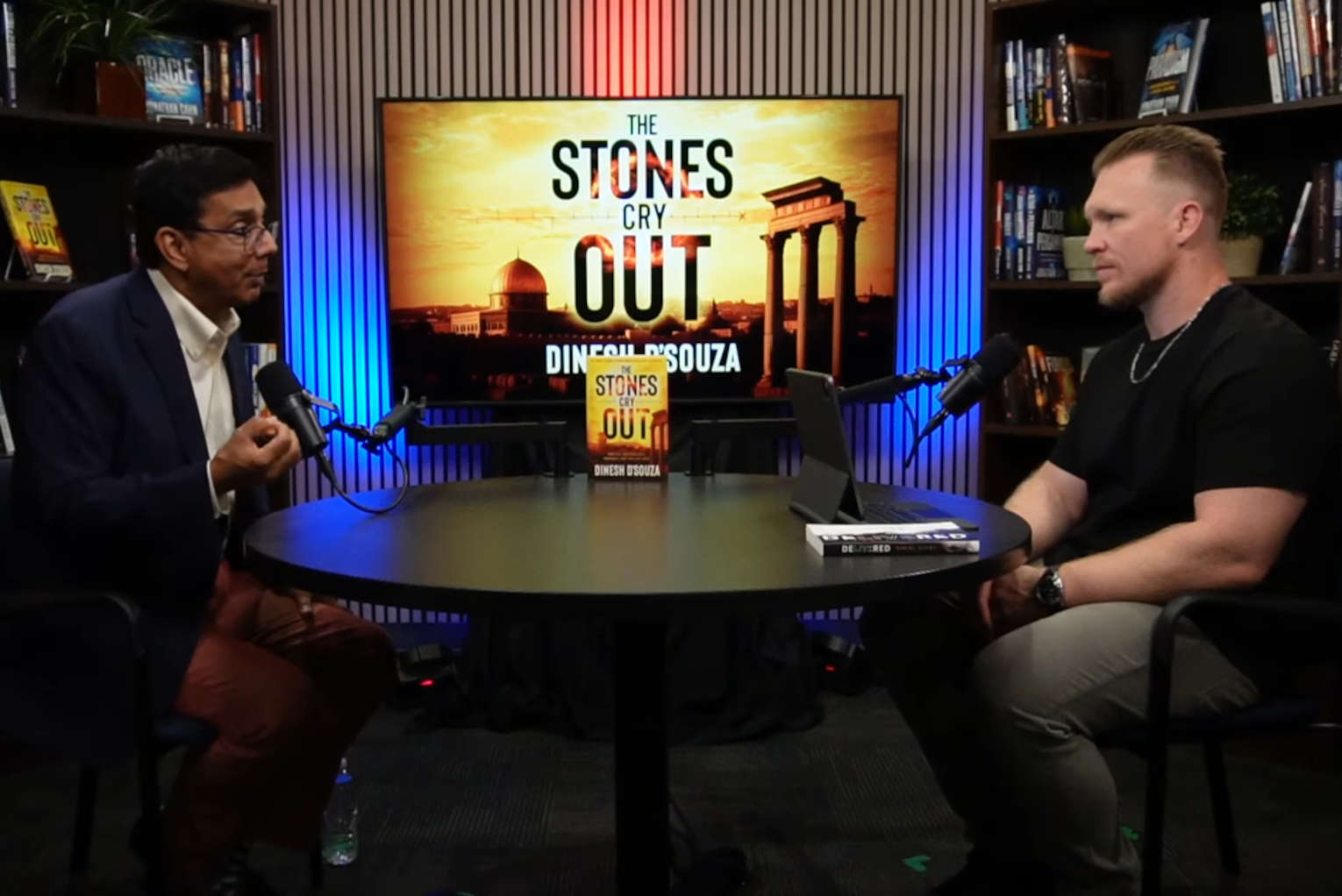
An ancient ruler’s victory monument. A stone inscription naming Pontius Pilate. Pools connected to Jesus’ ministry. For Dinesh D’Souza, these discoveries carry a message Christians should be ready to share: The Bible’s history deserves to be taken seriously.
Speaking with Daniel Adams of The Supernatural Life at Charisma Media studios, the filmmaker and author explained how biblical archaeology can strengthen our understanding of Scripture and equip Christians to answer skeptics.
“You might dispute the theology of the Bible. You can question the miracles. You can deny the supernatural. But the Bible is an historical account,” D’Souza said.
His first visit to Israel in late 2022 introduced him to archaeological findings that inspired his book, “The Stones Cry Out.” What struck him was how little of that information seemed to reach church congregations.
“I don’t understand why this isn’t being like broadcast from the roof of every synagogue and every church,” he said.
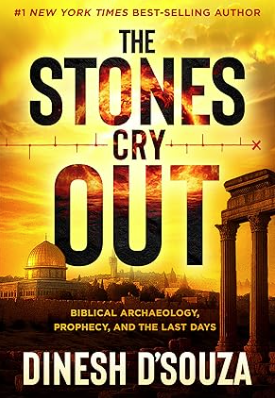
Order Dinesh D’Souza’s New Book, “The Stones Cry Out” on Amazon.com!
Biblical Names Written in Stone
One example D’Souza highlighted was the Tel Dan inscription, which mentions the “House of David.” He explained that the reference came from an opposing ruler celebrating a military victory over David’s dynasty.
For D’Souza, that detail gives the discovery particular force: A ruler boasting about defeating an enemy supplied evidence supporting the biblical account of that enemy’s royal house.
He also pointed to an inscription naming Pontius Pilate, the Roman official who presided over Jesus’ trial, and discussed the pools of Bethesda and Siloam in Jerusalem. The latter appears in the Gospel account of Jesus healing a blind man.
Together, D’Souza argued, discoveries involving biblical people and places give readers reason to take the broader historical record seriously.
Equipping Christians to Answer Skeptics
Adams asked how churches could benefit from bringing archaeology into their teaching. D’Souza described a familiar challenge: A young Christian leaves for college and encounters questions about the foundations of the faith.
“Can you prove to me not using the Bible that Jesus existed?” he asked, illustrating the kind of question students may face.
D’Souza argued that pastors have an opportunity to prepare Christians for those conversations. He suggested showing a brief video about an archaeological discovery before preaching on the relevant biblical passage.
He also discussed clay seals bearing names connected to Scripture, including lesser-known figures in Jeremiah. Such findings, he said, can help congregations connect familiar passages with the people who lived through those events.
For churches, his message was practical: Give Christians access to the historical evidence alongside biblical teaching.

Order Daniel Adams’ New Book, “Delivered” on Amazon.com!
A Message for This Generation
Adams also asked whether the discoveries have significance for the last days. D’Souza connected the discussion to a generation accustomed to evaluating claims through science, reason and physical evidence.
He believes God is speaking to that generation through archaeology.
“So, it’s almost like God is speaking through the stones with a sort of urgency,” D’Souza said.
The conversation returned to the image behind his book’s title: Jesus declaring that the stones would cry out if His disciples were silent.
For D’Souza, the discoveries offer Christians a compelling opportunity to point people toward Scripture and the history it records.
“Obviously, stones don’t speak, but God speaks through the stones,” he said.
James Lasher, a seasoned writer and editor at Charisma Media, combines faith and storytelling with a journalism background from Otterbein University and ministry experience in Guatemala and at the LA Dream Center. A Marine Corps and Air Force veteran, he is the author of The Revelation of Jesus: A Common Man’s Commentary and a contributor to Charisma magazine. For interviews and media inquiries, please contact [email protected].

Good post! We will be linking to this particularly great post on our site. Keep up the great writing
I appreciate you sharing this blog post. Thanks Again. Cool.