
Daniel Adams remembers sounds of something walking on his roof. Doors slammed. An ex-girlfriend reported seeing a large man moving through his house.
Long before Adams began ministering deliverance to others, he encountered supernatural disturbances he did not understand.
“I always had supernatural occurrences happening,” Adams told Charisma Media. “I had things walking on the roof, doors slamming.”
Those encounters form part of the story behind Delivered, his book about breaking spiritual bondage and walking in lasting freedom. In the interview, Adams traced his journey from childhood fear to praying for gym clients and witnessing what he describes as dramatic deliverances.
He also confronted a problem that can follow the dramatic moment: Christians receiving prayer, experiencing freedom and returning to the same destructive patterns.
Fear Followed Him Home
Adams grew up in a broken home without a Christian foundation. His mother feared unexplained sounds and activity around their rural house. He remembers absorbing that fear himself.
“My mother was very fearful,” Adams said. “So, I grew up very fearful.”
Anger accompanied the fear. His eventual encounter with faith brought a sweeping change in how he understood his life and future.
“When I went from that reality onto the reality of faith, it was a really big deal for me,” he said. “It was extreme, actually.”
Through that transformation, Adams came to understand that brokenness did not disqualify him from serving God.
“There is a God who loves us, there’s a God who wants to utilize us for His glory in any circumstance that we may be facing,” he said.
His background included law enforcement, cage fighting and personal training. An introduction at the gym would help redirect his life.
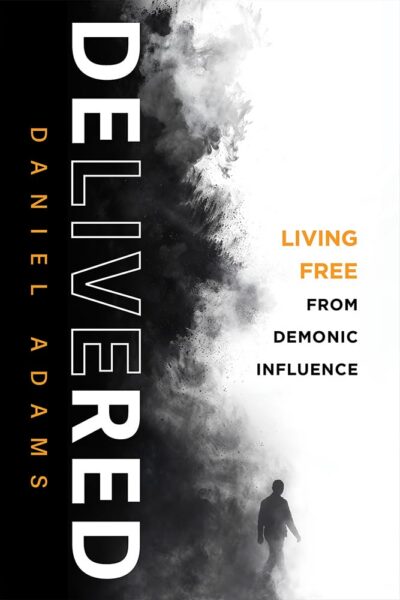
Order Daniel Adams’ New Book, “Delivered” on Amazon.com!
Deliverance Broke Out at the Gym
A fellow personal trainer connected Adams with a deliverance minister who became an early spiritual mentor. Adams began reading ministry materials about demonic oppression. After the minister prayed for him, Adams experienced what he identifies as baptism in the Holy Spirit.
Soon, his clients began receiving more than fitness instruction.
“My clients that were coming into the gym, they were some of the first people that I was praying for,” Adams said. “I saw miracles, healings, demons coming out of them.”
He had little preparation for what he encountered.
“It wasn’t something that I had studied a lot or that I had great understanding about,” he said. “It just started happening.”
One encounter brought consequences for his livelihood.
A client of a nearby hairdresser heard that Adams prayed for people and approached him. Adams recalls laying hands on the woman and praying a simple prayer.
“She falls to the ground. She starts crying,” he said. “She gets up. She thanks me.”
According to Adams, the hairdresser accused him of manipulating the woman and complained to the landlord. The landlord ended his rental arrangement.
Adams left personal training behind and pursued ministry more intensely.
The Enemy Looks for a Foothold
Adams maintains that Christians belong to Jesus while remaining engaged in spiritual warfare. He distinguishes demonic oppression from possession and points to Scripture’s commands to resist the devil and refuse him a foothold.
In his understanding of deliverance, deception plays a central role.
“Demons are really there to reinforce a lie,” Adams said.
He identifies lust, anger and bitterness as common areas of vulnerability. Dwelling on an offense can allow resentment to become an entrenched pattern.
His counsel includes examining relationships that encourage compromise, recognizing personal weaknesses and establishing accountability.
“We need discernment and wisdom and we need to know our weaknesses, too,” he said.
Adams also emphasizes Scripture, worship and prayer. Freedom requires Christians to confront the lies they have accepted and bring their lives into agreement with God’s Word.
Every Battle Is Not a New Demon
Adams cautions against interpreting every hardship as evidence that someone needs another deliverance session.
“Trials and obstacles don’t always mean that you have a demon,” he said.
Some struggles require perseverance. Others demand discipline, a conversation with someone who can help or support through emotional difficulties. Adams acknowledges that every situation does not involve demonic oppression.
“You can’t say that every battle you have is because you have a new demon,” he said. “And that’s been a big problem in deliverance.”
He urges Christians to seek God’s direction about the battle in front of them.
“God, what is this? How do I defeat this? How do I overcome this?”
His perspective on dramatic manifestations has also developed. Early in ministry, Adams focused heavily on posting visible reactions. Now, he places greater weight on the testimony and fruit afterward.
He acknowledges that some people imitate manifestations, making discernment essential.
Freedom Must Continue After the Prayer
Adams’ concern about Christians repeatedly returning to deliverance lines helped shape Delivered.
His instruction begins with giving Jesus the glory. Then comes the ongoing work of discipleship.
“You have to get into community,” Adams said.
“You cannot go right back out there, get your deliverance, go back out there, and think you’re going to do it by yourself.”
Church fellowship, pastoral guidance and obedience help Christians grow beyond a single ministry encounter. Adams challenges those moving from conference to conference to consider where they receive instruction and accountability.
“Who’s your pastor? Who’s your authority … that’s helping you to grow and helping you to move on?”
The journey that began with fear now centers on confidence in Jesus and the daily pursuit of freedom. Adams urges Christians to take spiritual warfare seriously while refusing to let darkness command their attention.
“We don’t need to look for a demon behind every bush, either,” he said.
His challenge is to “stop being scared of a defeated enemy.”
James Lasher, a seasoned writer and editor at Charisma Media, combines faith and storytelling with a journalism background from Otterbein University and ministry experience in Guatemala and at the LA Dream Center. A Marine Corps and Air Force veteran, he is the author of The Revelation of Jesus: A Common Man’s Commentary and a contributor to Charisma magazine. For interviews and media inquiries, please contact [email protected].
