
A fabricated miracle can draw applause. A horoscope can arrive dressed in prophetic language. A preacher can denounce someone else’s sin while hiding the same compromise.
Deliverance minister Alexander Pagani warned about all three in an interview on Isaiah Saldivar’s podcast, identifying practices that can draw a congregation into deception even when everything still looks spiritual.
Both ministers challenged abuses within the charismatic and deliverance movements, stressing that a hunger for the supernatural must remain anchored in Scripture.
“We need to call out the illegal practices, the ungodly practices in the deliverance movement, in the prophetic movement, in the Pentecostal movement, in the charismatic movement,” Saldivar said.
Asked about warning signs of a church becoming cultish, Pagani identified three prominent problems.
1. Fabricated Testimonies That Manufacture Excitement
Pagani’s first warning concerned what he called “white lies,” including exaggerated preaching illustrations and invented accounts of miracles.
He described a preacher who claimed to have witnessed a supernatural healing and then used that story to stir the congregation’s expectations.
“What they just said did not even happen but they’re lying for the greater good,” Pagani said.
The supposed justification is that an inspiring story will build faith. But a powerful crowd response cannot turn a false testimony into truth.
Pagani urged Christians to examine healing claims and seek supporting documentation rather than accepting every platform announcement without scrutiny.
“We need to fact check,” he said.
He also described “data mining,” in which ministers gather personal information from social media and later present those details as supernatural revelation.
A name, a photograph or the color of someone’s car can become material for a convincing performance. Pagani warned that Christians can mistake research for revelation.
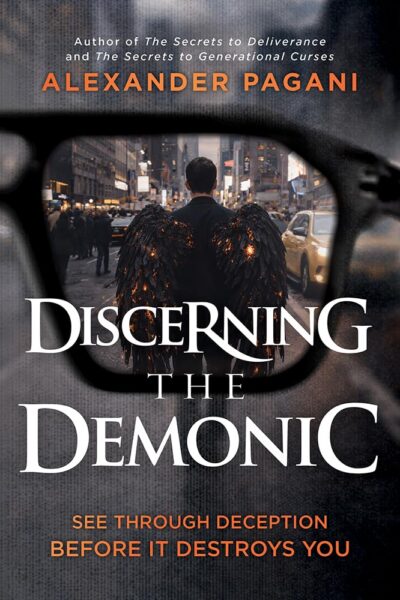
Order Alexander Pagani’s New Book, “Discerning the Demonic” on Amazon.com!
2. Occult Practices Mixed With Christian Teaching
The second warning concerned spiritual “mixture,” particularly attempts to bring divination and astrology into Christian ministry.
Pagani cited angel cards used to determine someone’s destiny and horoscopes repackaged as prophetic guidance.
“They’re doing straight prophetic horoscopes,” he said.
He described people defending zodiac practices by claiming the devil stole them from Christians or pointing to the star the wise men followed.
Attaching biblical language to an occult practice does not make it holy. Scripture must govern what Christians accept as spiritual guidance.
Saldivar also challenged the willingness to excuse serious character failures because someone demonstrates a gift.
“I don’t want to abandon the tenets of Scripture, the integrity, the holiness, all of that just because somebody has a gift or just because somebody’s anointed,” he said.
3. Double Standards That Protect the Preacher
Pagani’s third warning addressed leaders who expose wrongdoing elsewhere while refusing to confront the same behavior in themselves.
“So, they’re calling out on others what they have failed to call out in themselves,” he said.
A forceful sermon against sin can earn trust. But condemning another preacher does not establish a minister’s own integrity.
Pagani urged Christians to examine where a ministry directs its attention: toward Jesus and repentance or toward the preacher’s importance.
He also encouraged respectful questions about troubling teaching. Christians should be able to bring concerns to their pastors without fear of intimidation.
“You should not be blacklisted by the eldership of the church if you’re requesting a meeting with the pastor about a message,” Pagani said.
Throughout the conversation, Pagani warned against allowing spiritual vigilance to become an obsession with darkness.
“We want you to be Christ-centered, Holy Spirit-focused, word-centered, where you’re running to the light rather than being preoccupied with darkness,” he said.
Pray for discernment, test spiritual claims against Scripture and remain willing to receive correction. Our hunger for God must deepen our obedience to His Word.
James Lasher, a seasoned writer and editor at Charisma Media, combines faith and storytelling with a journalism background from Otterbein University and ministry experience in Guatemala and at the LA Dream Center. A Marine Corps and Air Force veteran, he is the author of The Revelation of Jesus: A Common Man’s Commentary and a contributor to Charisma magazine. For interviews and media inquiries, please contact [email protected].
