
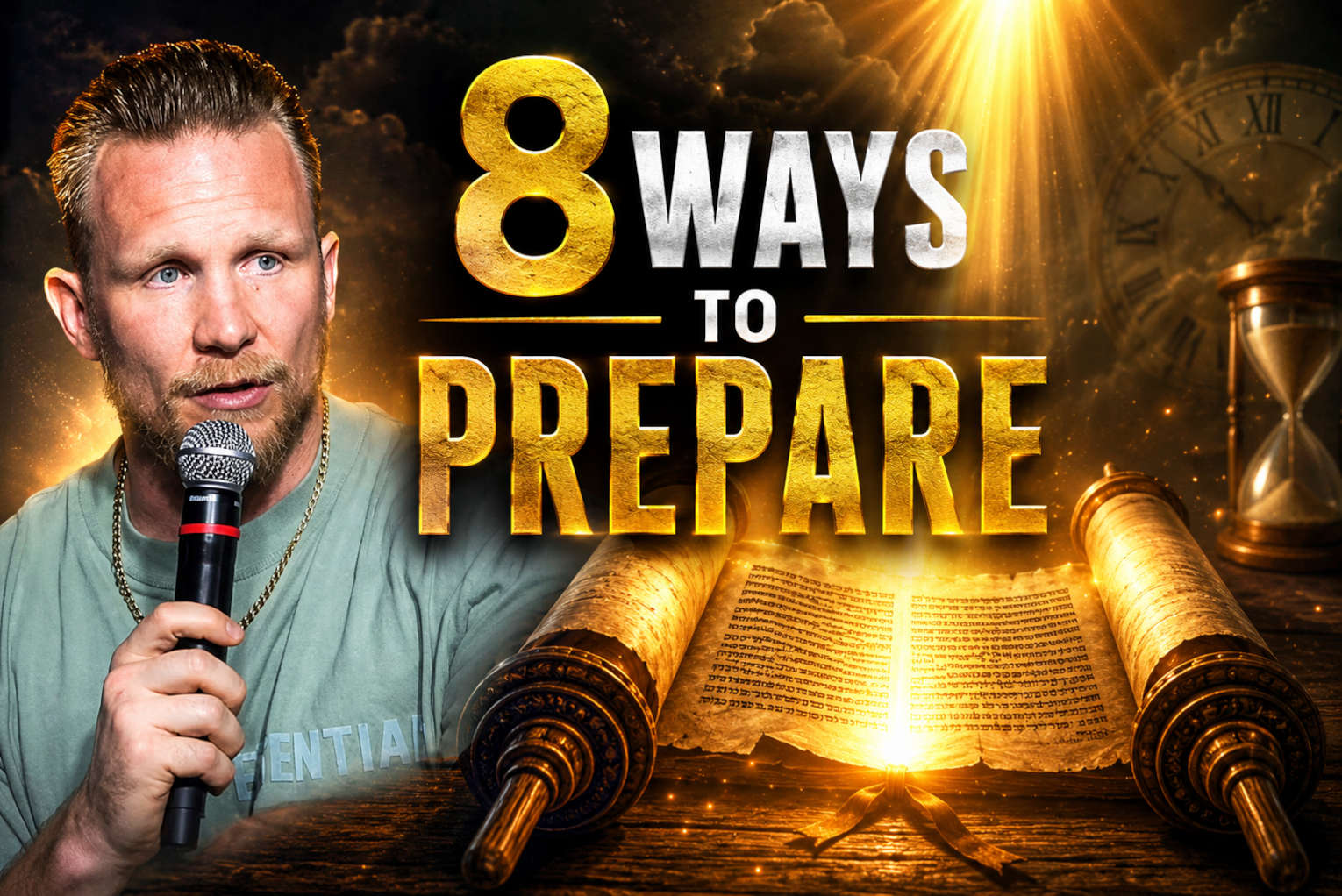
Many of us have received a prophetic word we believe came from God, only to spend months—or even years—wondering when it will come to pass. Seasons of waiting can test our faith, producing either perseverance or discouragement depending on where we keep our focus.
In a recent teaching, Daniel Adams addressed that challenge by sharing eight biblical principles for waiting well. Rather than encouraging us to chase more prophetic words, Adams urged us to become the kind of disciples who can faithfully steward what God has already spoken. His message serves as a reminder that while we often focus on the promise, God is also focused on preparing us for it.
1. Stay faithful with what God already told you
Adams began with what he called the foundation of the entire process: obedience.
“What happens sometimes is people get a new prophetic word and they forget the first thing God told them that even got them to the place of getting other prophetic words,” Adams said. “They like completely just throw it away.”
Instead of continually searching for another revelation, Adams encouraged us to remain faithful to the last instruction God gave us.
“So many people want a new prophetic word while neglecting the last thing that God told them to do,” he said.
Quoting Luke 16:10, Adams reminded us, “He that is faithful in that which is least is faithful also in much.”
His practical challenge was straightforward: “Ask yourself this … Am I obeying the last instruction God gave me?”
Before God entrusts us with more, we must first faithfully steward what He has already placed in our hands.
2. Seek the Giver more than the gift
Adams warned us not to allow prophetic promises to become the center of our faith.
“A prophetic word should draw you closer to God, not replace intimacy with him,” he said.
He added, “Don’t become so focused on the promise that you neglect the promiser.”
Rather than pursuing supernatural experiences for their own sake, Adams emphasized cultivating daily intimacy with God.
“Spend time in prayer, read the word, and worship him daily,” he said.
He concluded with perhaps the most important reminder of the entire teaching.
“Your relationship with God is more important than any prophetic gift or promise.”
As followers of Christ, our greatest pursuit should never be the fulfillment of a prophecy—it should always be knowing Jesus more deeply.
3. Prepare for what God promised
Waiting, Adams said, should never become passive.
“If you’re going to get a prophetic word, you need to have a landing place,” he said. “You have to prepare for what God promised.”
He repeatedly emphasized that preparation is an expression of faith.
“Faith prepares before it sees results.”
If God has promised increase, Adams said we should begin preparing now rather than waiting until it arrives.
“If God says he is bringing increase, you better be preparing for increase.”
Likewise, if God has promised influence or leadership, we should begin developing those abilities today.
“If God says he’s sending people, then you better be prepared to lead people.”
He summarized the principle with a simple statement:
“We don’t just wait—we build, learn, grow for what God has spoken.”
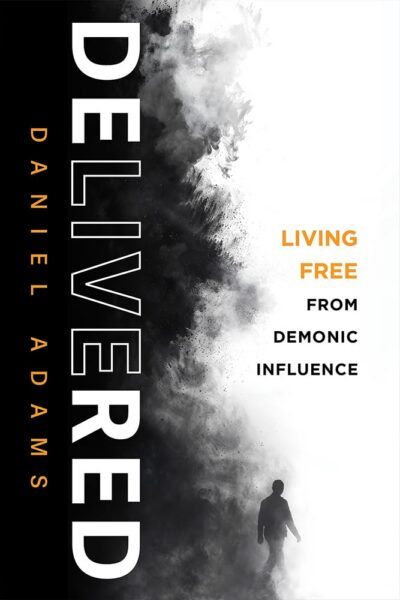
Order Daniel Adams’ New Book, “Delivered” on Amazon.com!
4. Develop godly character
According to Adams, much of God’s work during seasons of waiting happens within us.
“Many people want promotion,” he said. “Well, here’s the second part. Do you want the process?”
He continued, “The only way we’re going to get promoted is if we’re processed.”
God develops humility, patience, wisdom and maturity before entrusting greater responsibility.
“You have to be processed,” Adams said. “You cannot be the same.”
He encouraged us to allow the Holy Spirit to expose and transform the areas that still need refinement.
“Allow God to deal with pride, offense, impatience, insecurity, and unbelief.”
Even if the promise seems delayed, Adams reminded us that God’s work in our character is preparing us to carry what He intends to give us.
“The promise may arrive quickly, but the character takes time to develop.”
5. Refuse discouragement
One of the greatest temptations while waiting is believing God has forgotten us.
“Just because it hasn’t happened yet, doesn’t mean that God changed his mind,” Adams said.
Instead, we are called to trust God’s timing rather than our own expectations.
“God’s promises often require patience.”
Quoting Habakkuk 2:3, Adams reminded us that God’s vision comes at “the appointed time.”
He also cautioned us not to allow delayed fulfillment to produce unbelief.
“So don’t allow disappointment to turn into unbelief.”
Adams noted that God sometimes removes certain relationships before fulfilling His promises because not everyone is meant to accompany us into the next season.
“Don’t be surprised as prophecy is coming to pass in your life if people that were with you are not with you anymore.”
6. Guard your words
Adams spent considerable time emphasizing the importance of speaking in agreement with God’s promises.
“Your words should agree with what God has spoken,” he said.
He warned that we often undermine our own faith through careless speech.
“So many people cancel their faith by speaking fear, doubt, and unbelief.”
Adams specifically cautioned against repeatedly saying things such as:
“It’s never going to happen.”
“Maybe God forgot about me.”
“Nothing is changing.”
Instead, we should choose to speak God’s promises over our circumstances rather than allowing our circumstances to dictate our confession.
Quoting Proverbs 18:21, Adams reminded us, “Death and life are in the power of the tongue.”
7. Keep serving while you wait
Rather than putting ministry on hold until a prophetic word comes to pass, Adams encouraged us to continue faithfully serving wherever God has placed us.
“Keep serving while you wait,” he said.
Looking to Scripture, he pointed out that David served before becoming king, Joseph served before ruling Egypt and Jesus served before His exaltation.
He encouraged us to continue serving our churches, our families and God’s people.
“Faithfulness during obscurity prepares you for visibility.”
According to Adams, true servanthood produces the humility necessary to handle future promotion.
“The meek shall inherit the earth.”
8. Trust God’s timing
Adams concluded by reminding us that God sees what we cannot.
“God’s timing is perfect,” he said.
He encouraged us to trust God’s process even when circumstances make little sense.
“He sees things we cannot see and prepares us for what he has prepared for us.”
Drawing from Romans 4:21, Adams added, “If God promised it, He is able to bring it to pass.”
His encouragement was simple but powerful: “Trust the process. Trust the timing. Trust the Lord.”
Waiting is preparation
Adams cautioned us not to treat prophetic words as substitutes for discipleship.
“A prophetic word is not replacement for discipleship,” he said.
He also encouraged us to write prophetic words down, pray over them and remain submitted to biblical discipleship while allowing God to fulfill His promises in His perfect timing.
Whether we are waiting on a calling, a ministry opportunity, restored relationships or another promise the Lord has spoken over our lives, Adams’ central message is one we would all do well to remember: God is just as interested in preparing us as He is in fulfilling the promise.
As we continue to seek Jesus, serve faithfully and allow the Holy Spirit to shape our character, we position ourselves to steward whatever He chooses to entrust to us. Waiting is never wasted when God is using it to make us more like Christ.
James Lasher, a seasoned writer and editor at Charisma Media, combines faith and storytelling with a journalism background from Otterbein University and ministry experience in Guatemala and at the LA Dream Center. A Marine Corps and Air Force veteran, he is the author of The Revelation of Jesus: A Common Man’s Commentary and a contributor to Charisma magazine. For interviews and media inquiries, please contact [email protected].
