
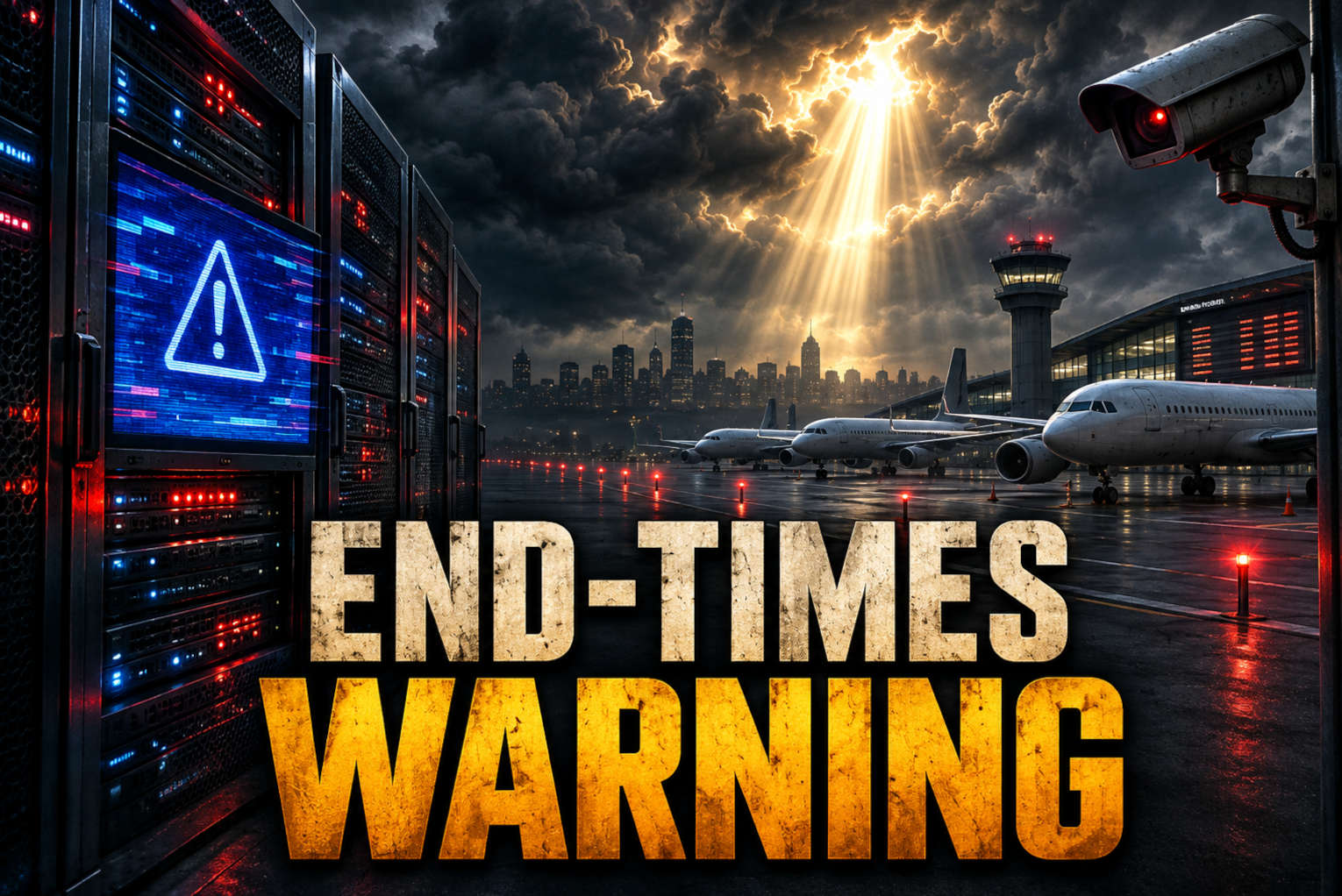
Gabe Poirot is warning that recent technological disruptions signal a deeper spiritual battle, urging Christians to recognize growing deception and prepare for Jesus’ return.
In his video “It’s Only Just Begun..,” Poirot connects Microsoft outages, reported bomb threats and what he describes as an airspace shutdown to his warning about spiritual warfare.
“These things are not accidents,” Poirot said. “What’s happening in the airspace, what’s happening to our software, what’s happening to our systems, obviously we’re being attacked. But it’s not just physical. It is spiritual.”
He also suggests entertainment contains warnings that align with world events, citing what he identifies as a Taylor Swift song called “Patient Zero.”
Depopulation, Noahide laws and the Antichrist
Poirot accuses Bill Gates of promoting depopulation and argues that abortion reflects a disregard for human life. He claims abortion has eliminated one-third of Generation Z.
He also alleges that chips can be implanted through boosters and other medical treatments presented as cures.
Turning to Jerusalem, Poirot discusses what he describes as an international court associated with Noahide laws. He says the laws themselves are not inherently evil, but warns about efforts to establish moral authority apart from Jesus.
“There are even cases being made how they are setting up the playbook to be able to outlaw faith in Christ,” he said.
Poirot connects that concern to his expectation that the Antichrist will arise in that region, perform signs and miracles and bring what he calls “the so-called seven years of peace.”
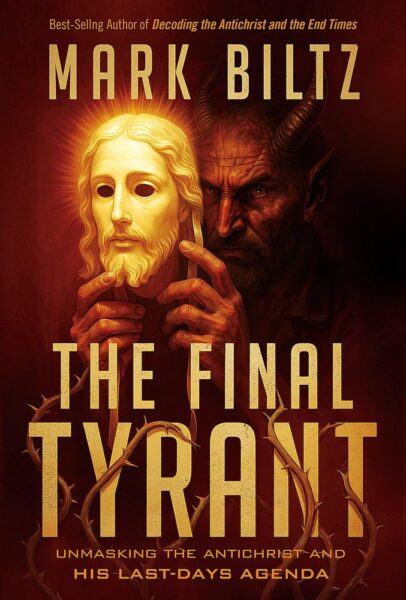
Order Mark Biltz’s New Book, “The Final Tyrant” on Amazon.com!
AI and constant surveillance
Poirot warns that increasing dependence on AI threatens spiritual discernment. He criticizes pastors’ use of AI-generated sermons and warns that fabricated spiritual testimonies can deceive Christians.
“It grieves my heart to know that the things of God are being twisted and turned,” he said.
He also questions expanding surveillance through license plate readers and smartphones. Although he acknowledges the usefulness of tracking technology in catching criminals and finding abducted children, he objects to monitoring everyday life.
“I think there are some pretty valid questions about not wanting our entire lives to be monitored and not wanting our location to be tracked about everything we do,” he said.
Repentance and readiness
Drawing on Jesus’ warning about the days of Noah, Poirot connects corruption before the Flood to fallen angels mingling with humanity. He presents those conditions as a warning about the period preceding Christ’s return.
His criticism also reaches inside the church.
“What’s wild is how the church has adopted the culture of this world,” he said.
Poirot challenges online prophets promising “sunshine and rainbows” and churches that avoid repentance. He urges prayer for the president and calls on men to reject digital addictions, remain faithful to their wives and take responsibility for their children.
He emphasizes that salvation cannot be earned and that Jesus died to free people from sin.
“This is the gospel that we die to ourselves and we follow him,” he said.
Poirot presses Christians to evangelize while they still have time.
“If you truly know him, you cannot stay silent. You cannot just be complacent with the world around you.”
James Lasher, a seasoned writer and editor at Charisma Media, combines faith and storytelling with a journalism background from Otterbein University and ministry experience in Guatemala and at the LA Dream Center. A Marine Corps and Air Force veteran, he is the author of The Revelation of Jesus: A Common Man’s Commentary and a contributor to Charisma magazine. For interviews and media inquiries, please contact [email protected].