

Growing older often brings challenges that cannot be avoided. Declining health and increasing isolation can take a toll on a person’s well-being. New research suggests that faith may play a meaningful role in helping older adults experience greater happiness, purpose and satisfaction with life.
According to a report by the Daily Mail, a study published Nov. 19 in PLOS Aging and Health found that religious and spiritual beliefs were positively associated with quality of life among adults aged 60 and older.
Researchers Sohail Akhtar and Alessandra Buja of the University of Padova in Italy examined 21 studies involving 5,664 older adults. Their analysis found a moderate positive relationship between religiosity or spirituality and overall well-being.
The connection was stronger among those who incorporated spirituality into their everyday lives than among those who primarily turned to religion or spirituality to cope with difficult circumstances.
“Across the studies we pooled, older adults who were more religious or spiritual reported higher life satisfaction and better quality of life,” Akhtar said in comments also reported by the Daily Mail.
“The link was moderate in size, but it was consistent enough to suggest that spiritual life deserves a place in how we support healthy aging.”
Faith, Health and the Loneliness Crisis
This is not the first time researchers have examined the relationship between faith and older adults’ well-being.
In an August 2005 Charisma magazine report, Duke University researcher Dr. Harold G. Koenig discussed research exploring the relationship between religious participation, physical health and longevity among seniors.
While that earlier research examined different health outcomes, it raised a question that remains relevant today: What role can faith and religious community play in helping people navigate their later years?
The latest findings also come amid concerns about loneliness and social isolation, particularly among older Americans.
As Charisma previously reported, former U.S. Surgeon General Dr. Vivek Murthy warned that loneliness poses serious risks to physical and mental health, including increased risks of heart disease, stroke and dementia.
Psychiatrist Dr. Daniel Amen also encouraged people to prioritize meaningful, in-person relationships, pointing to church involvement as one way to build those connections.
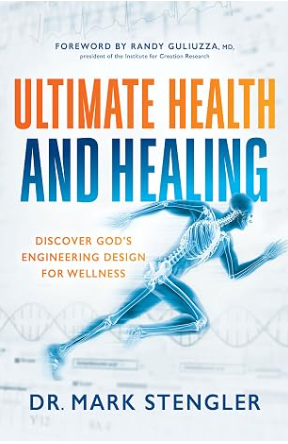
To order Mark Stengler’s new book, Ultimate Health and Healing, visit Amazon.com.
For seniors who have lost spouses, experienced declining mobility or become disconnected from their communities, that sense of belonging can be especially important.
This is also where the church has an opportunity that goes far beyond Sunday morning services. Prayer and fellowship serve as reminders for older adults that they are not forgotten or without purpose.
Still Bearing Fruit in Old Age
For Christians, the idea that faith remains essential throughout life is hardly a new revelation. Psalm 92:12-14 describes the righteous flourishing and continuing to bear fruit even in old age.
Growing older does not mean God’s purpose for someone’s life has ended.
In a previous Charisma article on remaining spiritually active in later years, believers were encouraged to continue pursuing God’s calling rather than assuming their years of meaningful service were behind them.
The later years of life do not have to be defined solely by what someone has lost. They can also be marked by the faith, wisdom and relationships that continue to grow.
Abby Trivett is a writer and editor for Charisma Media and has a passion for sharing the gospel through the written word. She holds two degrees from Regent University, a B.A. in Communication with a concentration in Journalism and a Master of Arts in Journalism. She is the author of the newly released book, The Power of Suddenly: Discover How God Can Change Everything in a Moment. For interviews and media inquiries, please contact [email protected]. Learn more about Abby at abbytrivett.com.