
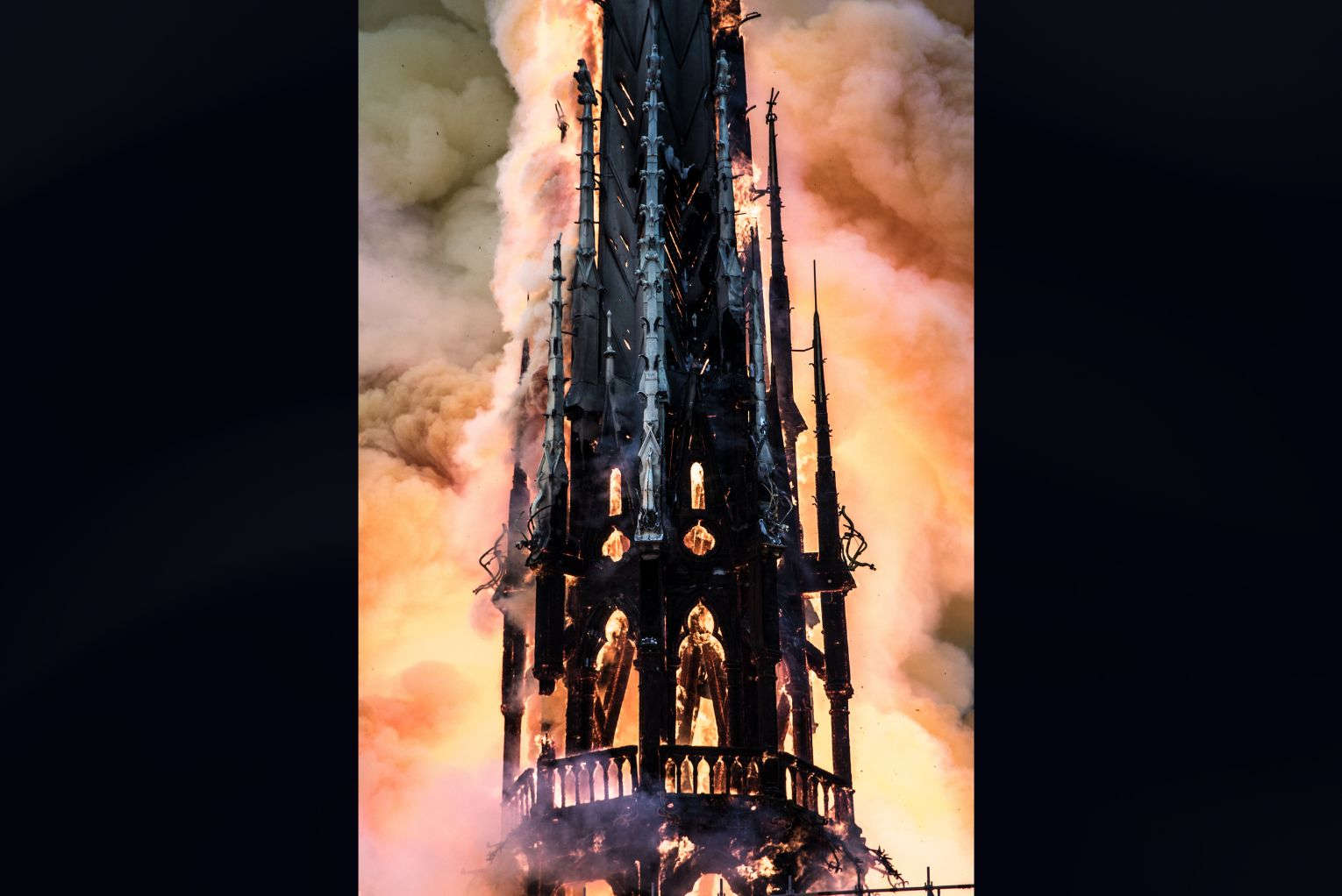
Attacks on churches are becoming an increasingly visible feature of life in the Western world, exposing a growing hostility toward Christianity that many leaders can no longer ignore.
Christian businesses are facing harassment. Houses of worship are being vandalized. Religious symbols are being desecrated. Believers are encountering mounting pressure for openly embracing biblical convictions. Across Europe, a growing body of evidence points to a troubling reality: anti-Christian hostility is rising.
Decision Magazine recently highlighted a report from the Observatory on Intolerance and Discrimination against Christians in Europe (OIDAC Europe), and the findings reveal a significant increase in attacks targeting Christians and Christian institutions.
According to the organization, there were “37 anti-Christian hate crimes targeting Christian places of worship, religious symbols, religious spaces, Christian institutions and Christian individuals” during May 2026. The incidents included vandalism, desecration, physical violence, theft, incitement, disruption of worship services and arson attacks.
The sharp rise in fires targeting Christian property stands out as one of the report’s most alarming findings. OIDAC reported that “With 13 recorded arson-related incidents, May represents the highest monthly figure recorded so far in 2026.”
Order Jonathan Cahn’s New Book, “The Altar of Pergamon” on Amazon.com!
Those numbers reveal more than criminal activity. They reveal a growing climate of hostility directed toward Christianity throughout parts of Europe.
For years, decades really, Western culture has steadily pushed biblical values toward the margins of public life. Biblical Christian teachings on marriage, life, sexuality and truth increasingly face opposition from powerful cultural institutions. The incidents documented by OIDAC demonstrate how that hostility is manifesting itself in tangible and destructive ways.
The report’s most striking example came from Leipzig, Germany, where a Christian-owned café ultimately closed after enduring years of attacks.
According to OIDAC, “A Christian-run café in Leipzig had to close after its operators reported 26 attacks over a period of two and a half years, including repeated vandalism, graffiti attacks, damage caused by butyric acid, and other forms of harassment.”
The organization stated that the attacks were allegedly “carried out by individuals associated with the far-left extremist scene and ultimately made the continued operation of the café financially impossible.”
That account reveals sustained pressure directed at Christians because of their faith and values. Twenty-six attacks over two and a half years transformed a successful business into a casualty of relentless harassment.
Additional incidents paint an equally troubling picture. The Barbara Chapel in Penzberg, Germany, was defaced with satanic graffiti. A historic church bell tower in Greece sustained damage during a shotgun attack. In Italy, graffiti appeared openly calling for churches to be burned.
Together, these incidents reveal a pattern that extends far beyond isolated criminal acts.
OIDAC stated that “[a]nti-Christian hostility continues to extend beyond property damage” and reported that “[i]ncidents involving direct violence, intimidation, or serious danger to persons” are becoming a “notable trend.”
That trend deserves serious attention because it reflects an escalation from attacks on buildings to attacks on people. Violence, intimidation and harassment directed toward believers create an atmosphere designed to discourage Christians from openly living out their faith.
The scope of the problem may be even larger than current statistics indicate.
OIDAC reported that more than 27 thefts, 24 break-ins or attempted break-ins, 14 vandalism cases and nine fires remain under investigation. If investigators determine anti-Christian motives in those incidents, the total number of attacks will increase substantially.
Americans should pay close attention to these developments because similar trends are emerging in the United States.
Decision Magazine also highlighted findings from the Family Research Council documenting 1,384 acts of hostility against American churches between January 2018 and December 2024. The incidents included vandalism, arson, bomb threats and other attacks targeting houses of worship.
The similarities between Europe and America are increasingly apparent. Churches on both continents are facing growing hostility. Believers on both continents are encountering greater pressure for embracing biblical convictions. Christian institutions on both continents are becoming targets.
OIDAC concluded that these incidents reflect “a broader pattern repeatedly documented by OIDAC Europe in recent years, namely the pressure faced by Christian individuals and organisations that publicly uphold traditional Christian beliefs and values.”
That observation reaches beyond Europe and speaks directly to the challenges confronting believers throughout the Western world. The issue at stake is the freedom of Christians to openly live, speak and worship according to biblical truth.
The church has faced hostility throughout its history and has continued advancing the Gospel through every challenge. Today calls for the same courage, conviction and faithfulness.
We must pray for our brothers and sisters across Europe who are enduring growing persecution because of their faith. We must pray for churches throughout America as similar pressures continue to increase. And we absolutely must stand boldly for the truth of God’s Word, confident that the Gospel remains the hope of the world regardless of the opposition it faces.
James Lasher, a seasoned writer and editor at Charisma Media, combines faith and storytelling with a journalism background from Otterbein University and ministry experience in Guatemala and at the LA Dream Center. A Marine Corps and Air Force veteran, he is the author of The Revelation of Jesus: A Common Man’s Commentary and a contributor to Charisma magazine. For interviews and media inquiries, please contact [email protected].
