

A prayer for freedom should not become a revolving door.
Yet we can receive prayer for deliverance, experience relief and then return to the very compromises that helped keep us bound. During an interview with Charisma Media, deliverance minister Daniel Adams addressed that cycle and the everyday choices that can give the enemy a foothold.
Adams distinguishes demonic oppression from possession. As Christians, we belong to Jesus, he explained, but we can allow strongholds to develop around lies, fear and sinful patterns.
“So demons are really there to reinforce a lie,” Adams said.
Spiritual warfare reaches into what we entertain on our phones, the grievances we rehearse and the relationships we refuse to surrender. Adams identified several open doors we need to confront.
1. Lust: Feeding the temptation we want defeated
Temptation can arrive with a single image. Entertaining it gives that moment room to become a habit.
Adams described how sexual temptation reaches people through ordinary online activity.
“Online, you could be so innocent and then you just come across something that wants to tempt you,” he said.
We cannot ask God to free us from a pattern while deliberately feeding it. Closing this door requires repentance and practical boundaries, including accountability where secrecy has allowed compromise to grow.
The battle also involves our thoughts. Second Corinthians 10:4-5 directs us to tear down strongholds and bring our thoughts into obedience to Christ.
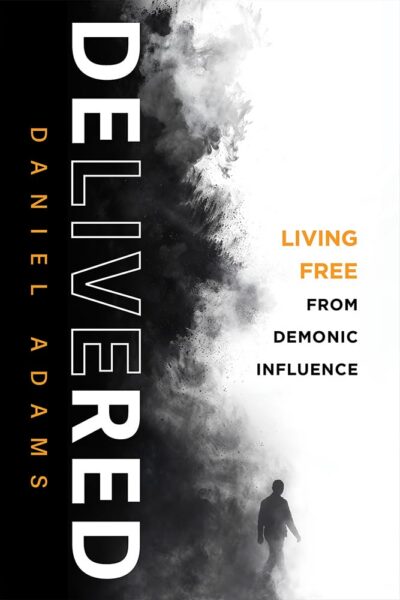
Order Daniel Adams’ New Book, “Delivered” on Amazon.com!
2. Offense and anger: Rehearsing the wound
Someone mistreated us. The conversation ended, but we keep replaying it. Each rehearsal supplies another reason to stay angry.
Adams warned against “being offended and just continuing to just meditate on offense.”
Ephesians 4:26-27 connects unresolved anger with giving the devil an opportunity. An injury deserves an honest response, but nursing it can turn a painful encounter into an ongoing foothold.
Forgiveness does not require calling wrongdoing acceptable. It requires surrendering revenge to God and refusing to let another person’s sin govern our obedience.
3. Bitterness: Letting resentment take root
Offense can begin with an incident. Bitterness settles in when resentment becomes the lens through which we see people.
Adams named “lust, offense, anger, bitterness” among the openings he encounters in ministry. His call for honest examination applies directly to wounds we have protected from correction.
“You really need to do an analysis of your life,” he said.
That examination can hurt. Have we begun expecting betrayal from everyone? Do we resist reconciliation because anger feels safer? Hebrews 12:15 warns that bitterness can grow and defile many. Left unchecked, one person’s resentment can spill into a family or congregation.
We need to bring the wound before God, seek wise pastoral counsel and address what has been festering.
4. Compromised relationships: Agreeing with what God calls sin
A close relationship carries influence. Affection can make us excuse conduct Scripture tells us to confront.
Adams warned about joining ourselves to someone who is spiritually compromised and remaining in agreement with that compromise.
“Of course, we pray for people, but we don’t walk in compromise,” he said.
He described relational connections as “soul ties,” explaining that these bonds can strengthen us or pull us toward destructive patterns.
We can love people and pray for their restoration while establishing boundaries when a relationship keeps drawing us into disobedience.
Walking in the freedom Jesus gives
Adams also cautioned against treating every hardship as evidence of a demon.
“Just because you’re suffering with something, sometimes it’s perseverance,” he said.
Discernment matters. So does what happens after prayer.
“You cannot go right back out there, get your deliverance, go back out there and think you’re going to do it by yourself,” Adams said.
Adams emphasized giving Jesus the glory and entering a loving Christian community where we can grow. James 4:7 joins resistance to the devil with submission to God. We need to close the compromises we already recognize, bring our hidden struggles into accountable fellowship and follow the Holy Spirit in daily obedience.
James Lasher, a seasoned writer and editor at Charisma Media, combines faith and storytelling with a journalism background from Otterbein University and ministry experience in Guatemala and at the LA Dream Center. A Marine Corps and Air Force veteran, he is the author of The Revelation of Jesus: A Common Man’s Commentary and a contributor to Charisma magazine. For interviews and media inquiries, please contact [email protected].
