

Artificial intelligence is no longer just a conversation happening in Silicon Valley boardrooms or behind the closed doors of government agencies. It has become a global moral debate—and now, the Vatican is making it unmistakably clear that it believes the stakes are higher than many realize.
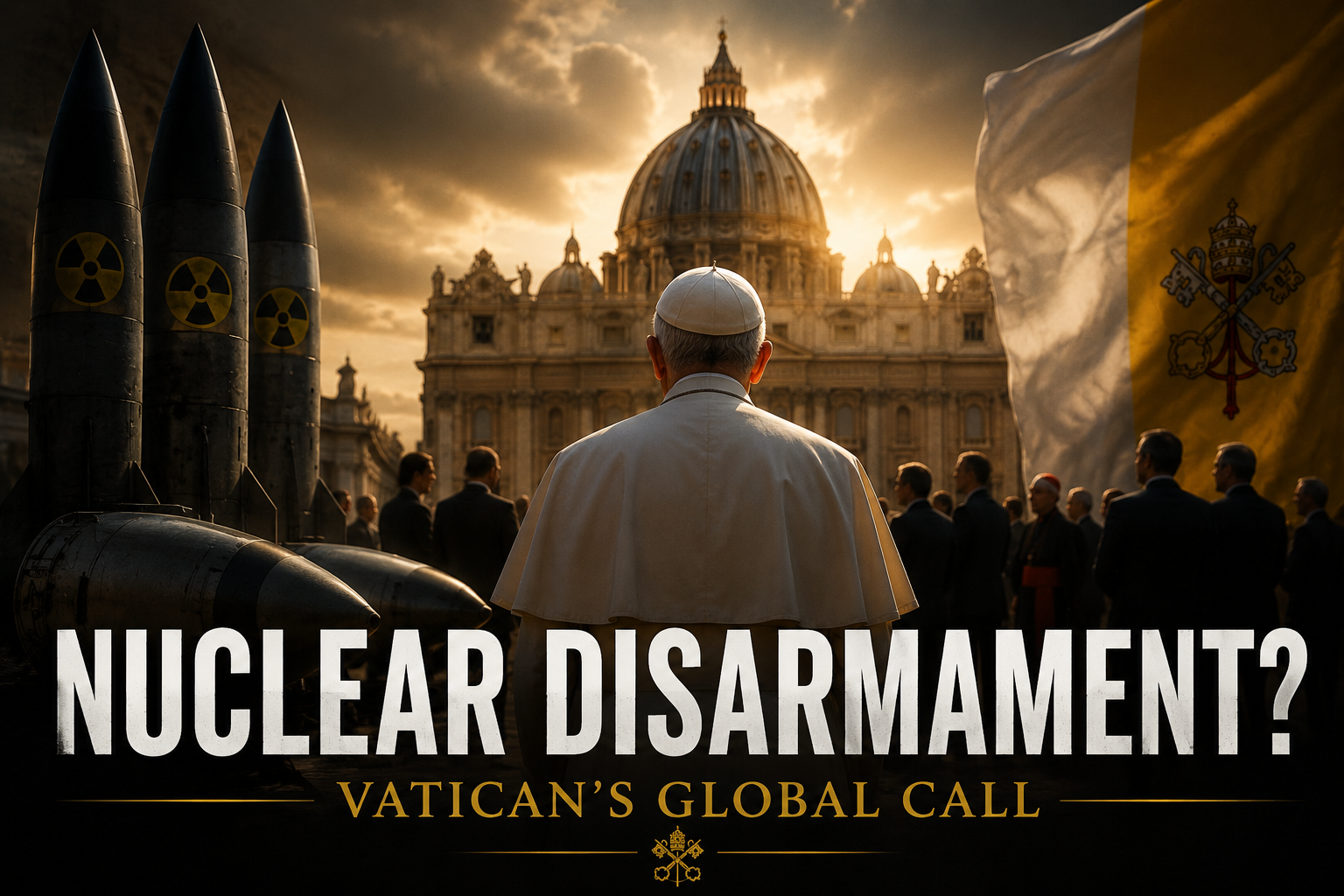
This week, more than 200 Nobel laureates, scientists, artificial intelligence experts, religious leaders and former heads of state gathered in Rome to sign the Rome Declaration for an Unarmed and Disarming Peace, a sweeping call for ethical limits on artificial intelligence and renewed efforts toward nuclear disarmament. According to EWTN News, the declaration was signed July 16 at Rome’s Capitoline Hill following the Global Nobel Laureates Assembly on Artificial Intelligence and Nuclear War.
At the heart of the declaration is a warning that technological advancement is outpacing humanity’s ability to govern it responsibly. EWTN News reported that the document argues that decisions involving life and death, war and peace should never be delegated to autonomous machines, insisting that meaningful human responsibility must remain at the center of those decisions. As Vatican News
The message closely mirrors one Pope Leo XIV has repeatedly delivered since the beginning of his pontificate.
According to EWTN News, the pope has consistently emphasized that artificial intelligence should serve the human person—not replace human judgment or diminish the dignity that every individual bears.
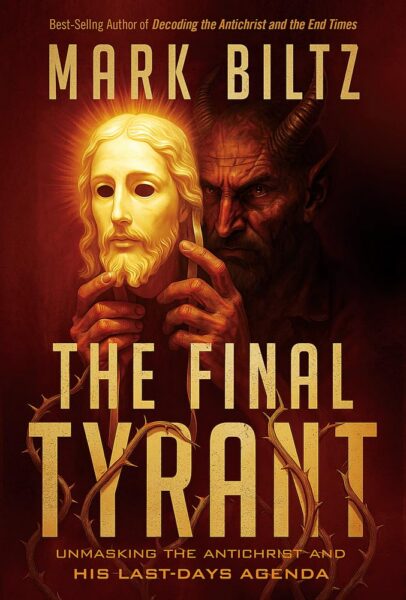
To order Mark Biltz’s new book, The Final Tyrant, visit Amazon.com.
That concern is becoming increasingly relevant as nations continue investing billions into AI research while simultaneously exploring its military applications. Although artificial intelligence promises breakthroughs in medicine, science and communication, the declaration warns that those same advances could dramatically increase global instability if they are fused with autonomous weapons systems or influence nuclear decision-making without sufficient ethical safeguards, EWTN News reported.
Speaking during the assembly, Cardinal Baldassare Reina described today’s world as one marked by rapid technological transformation, geopolitical instability and weakening international cooperation. According to Vatican News, he warned that nations are increasingly tempted to place their confidence in deterrence and fear rather than pursuing authentic peace, calling this a pivotal moment for humanity.
Scientists echoed that sense of urgency.
Daniel Holz, an astrophysicist at the University of Chicago and founder of the Existential Risk Lab, said the world faces unprecedented risks but stressed there is still time to reduce those dangers through practical international cooperation, according to Vatican News. Nobel Prize-winning physicist David Gross likewise warned that today’s nuclear threat may be even greater than it was three decades ago.
The significance of this gathering is difficult to ignore. The world’s leading scientists, Nobel laureates and one of Christianity’s most influential institutions are increasingly speaking with a shared sense of urgency about the ethical boundaries surrounding artificial intelligence.
For believers, that conversation reaches beyond public policy. Scripture has always distinguished knowledge from wisdom. Humanity has repeatedly demonstrated an extraordinary ability to invent—but history also reveals how easily innovation can outpace character when moral restraint is abandoned.
As the world races toward an increasingly AI-driven future, the voices coming out of Rome are asking a question every believer—and every world leader—should be willing to consider: If technology continues advancing at its current rate, who—or what—will ultimately be guiding the future?
Abby Trivett is a writer and editor for Charisma Media and has a passion for sharing the gospel through the written word. She holds two degrees from Regent University, a B.A. in Communication with a concentration in Journalism and a Master of Arts in Journalism. She is the author of the newly released book, The Power of Suddenly: Discover How God Can Change Everything in a Moment. For interviews and media inquiries, please contact [email protected].