
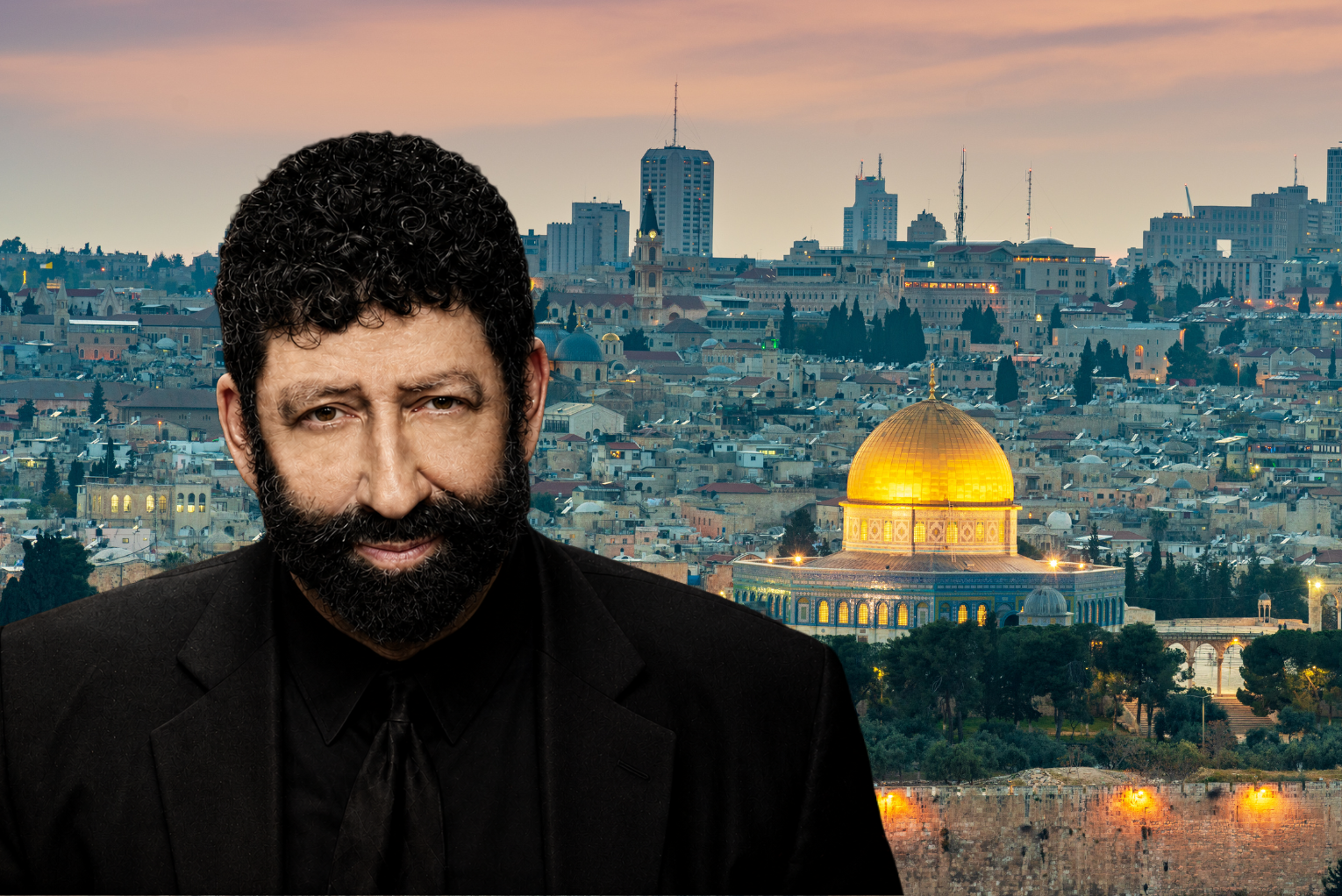
A newly uncovered archaeological discovery from the time of the biblical judges is fueling fresh discussion about one of Scripture’s most unlikely heroes—and according to #1 New York Times bestselling author and Bible teacher Jonathan Cahn, its significance reaches far beyond history.
In a recent message, Cahn highlighted the discovery of a 3,100-year-old inscription bearing the name Jerubbaal, the alternate name of Gideon recorded in the book of Judges. Archaeologists have described it as the first inscription ever discovered from the era of the Judges containing a complete name, making it a remarkable find for biblical archaeology. Cahn noted that discoveries like this continue to answer longstanding skepticism surrounding the historical reliability of Scripture.
But for Cahn, the greatest significance isn’t merely archaeological—it’s deeply spiritual.
Turning to Judges 6, Cahn reminded listeners that Gideon was anything but fearless when God first called him. Hiding in a winepress and questioning God’s faithfulness, Gideon hardly resembled the mighty warrior the angel declared him to be.
Yet God’s perspective was entirely different.
“The Lord is with you, mighty warrior,” the angel proclaimed before Gideon had won a single battle. Cahn explained that God’s calling always speaks to His purpose rather than our present condition. Before believers ever experience victory, they must first embrace the identity God has already spoken over them by faith.
However, Cahn stressed that Gideon’s transformation did not begin on the battlefield.

To order Jonathan Cahn’s new book, The Altar of Pergamon, visit Amazon.com.
Before Israel’s deliverer ever confronted the Midianites, God instructed him to destroy something much closer to home: the altar of Baal that stood on his own father’s property.
According to Cahn, this remains God’s pattern today.
Many believers long for a breakthrough while leaving untouched the very spiritual strongholds that hinder God’s work. Whether those “altars” are fear, compromise, sinful habits or misplaced priorities, Cahn argued they must first be torn down before lasting victory can come.
He challenged listeners not to settle for vague promises of future obedience but to take one specific, intentional step today toward removing whatever has taken God’s rightful place.
Cahn then unpacked the meaning of Gideon’s second name: Jerubbaal, which means, “Let Baal contend against him.”
Rather than fearing the false gods surrounding him, Gideon’s very name became a declaration that Baal possessed no real authority over one who belonged to the living God. That confidence, Cahn said, should define Christians today as well.
Drawing parallels between ancient Israel and modern Western culture, Cahn warned that believers increasingly face pressure to compromise with the “gods of this age.” Yet instead of retreating in fear, he urged Christians to become what he called a “Jerubbaal generation”—men and women willing to stand boldly for truth regardless of cultural opposition.
His message concluded with a reminder that spiritual victory begins long before public triumph. It begins when believers first confront the idols within their own lives, trust God’s declaration over their identity and refuse to bow to fear.
As Gideon’s life demonstrates, God often calls ordinary people “mighty warriors” before anyone else can see it. The question, Cahn suggested, is whether believers will choose to live according to what God has spoken—or remain bound by what they currently see.
Abby Trivett is a writer and editor for Charisma Media and has a passion for sharing the gospel through the written word. She holds two degrees from Regent University, a B.A. in Communication with a concentration in Journalism and a Master of Arts in Journalism. She is the author of the newly released book, The Power of Suddenly: Discover How God Can Change Everything in a Moment. For interviews and media inquiries, please contact [email protected].
