
What happens when a nation becomes afraid to defend the very freedoms that made it free?
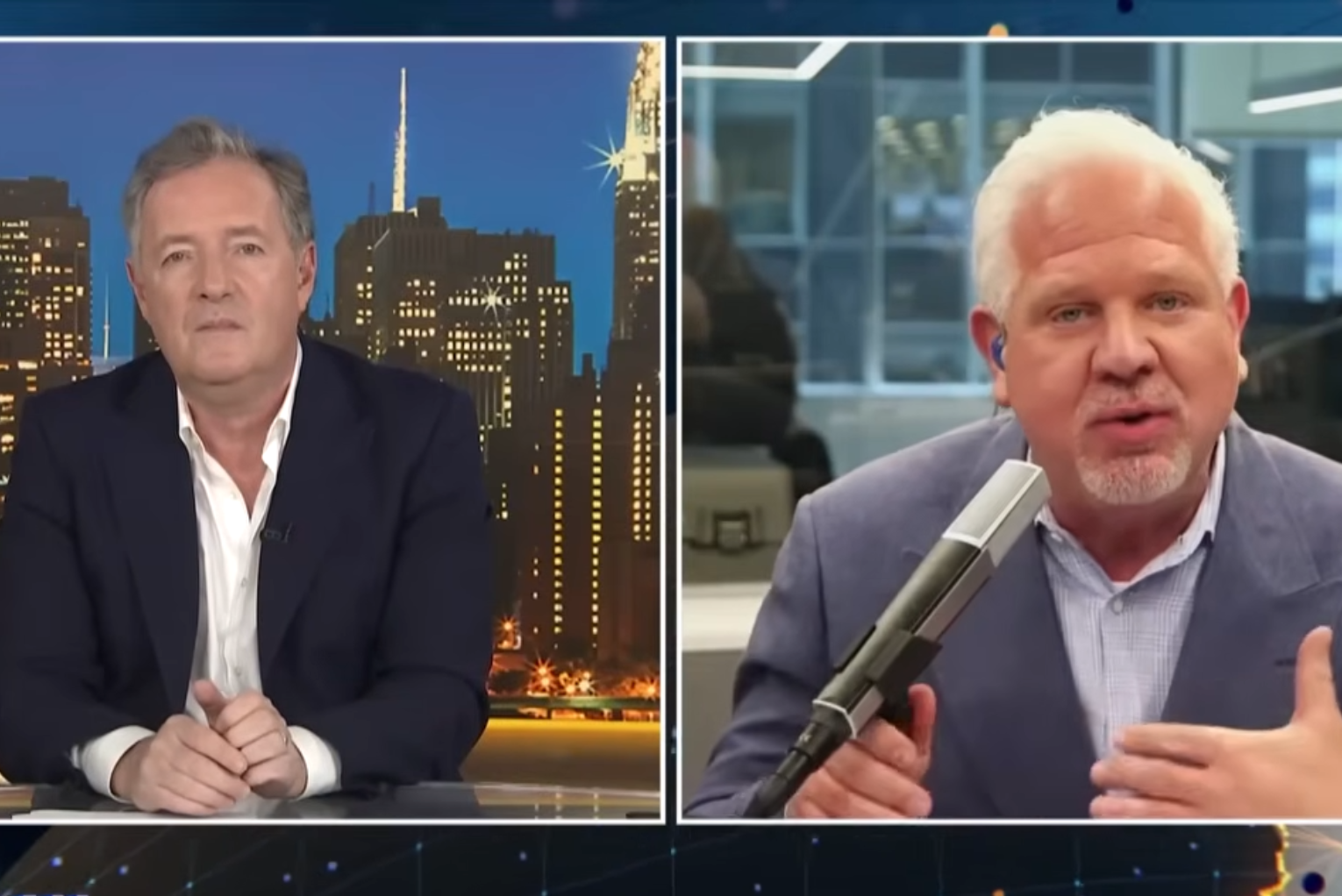
That question came up during a heated conversation on Piers Morgan Uncensored between Glenn Beck and British broadcaster Piers Morgan. The two wrestled with immigration, Islam, free speech and the cultural transformation taking place across the Western world.
Morgan pushed back against portrayals of Britain as a nation being “overrun by Muslims,” stating that Muslims account for roughly 5% of the country’s population. As a London resident, Morgan said he simply does not recognize descriptions of his capital as a city overtaken by Islam.
But Beck’s concern went beyond demographics.
“I don’t have a problem with Muslims. I don’t have a problem with people coming into the country,” Beck told Morgan.
For Beck, the dividing line is whether those entering Western countries embrace the fundamental principles upon which those societies are built. His concern centers particularly on the possibility of Sharia law competing with Western legal traditions.
“I don’t want Sharia law,” Beck said. “That’s incompatible with the West.”
The two also sparred over British activist Tommy Robinson. Morgan acknowledged that Robinson was an outspoken voice regarding Britain’s grooming-gang scandal but cautioned Beck against aligning himself too closely with the controversial activist.
Beck, however, turned the conversation toward something larger: whether laws are being applied equally and whether those who challenge powerful institutions are increasingly subjected to different standards.
“How much of that is actually righteous prosecution?” Beck asked.
Morgan conceded that it was a “legitimate question” and acknowledged concerns surrounding Britain’s handling of speech-related cases.
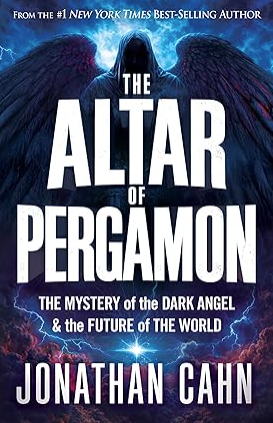
To order Jonathan Cahn’s new book, The Altar of Pergamon, visit Amazon.com.
Yet Beck’s most significant warning was not simply about Britain, Islam or immigration. It was about the erosion of individual liberty itself.
“You can go wrong quickly if you get into us versus them,” Beck warned. “You can go wrong quickly if you are not understanding universal individual rights.”
We cannot allow legitimate concerns about cultural change, immigration or religious ideology to become hatred toward people made in the image of God. At the same time, loving our neighbors does not require ignoring ideological movements that could undermine religious liberty, freedom of conscience or equal protection under the law.
Beck argued that America’s historical commitment to individual rights has helped protect the nation from authoritarianism—but warned that Americans are beginning to lose their understanding of those principles.
“This cannot be about religion,” Beck said. “This is about a political force that wants to shut down freedoms.”
Morgan ultimately agreed with Beck’s broader point, saying legitimate concerns about Western culture deserve discussion without hatred or name-calling.
Perhaps that is where the real warning lies.
A free society cannot survive indefinitely if its people become unwilling to defend freedom. And as Britain wrestles with immigration, censorship, religious tensions and national identity, Americans would be wise not merely to watch what happens across the Atlantic—but to ask whether the same battle over truth, liberty and cultural identity could eventually arrive at their own doorstep.
To watch the full video, click here. (Editor’s note: Strong themes)
Abby Trivett is a writer and editor for Charisma Media and has a passion for sharing the gospel through the written word. She holds two degrees from Regent University, a B.A. in Communication with a concentration in Journalism and a Master of Arts in Journalism. She is the author of the newly released book, The Power of Suddenly: Discover How God Can Change Everything in a Moment. For interviews and media inquiries, please contact [email protected].
