
A newly uncovered monastery in Egypt is shedding fresh light on the earliest days of Christianity, revealing how believers lived lives marked by prayer, sacrifice and unwavering devotion to God.
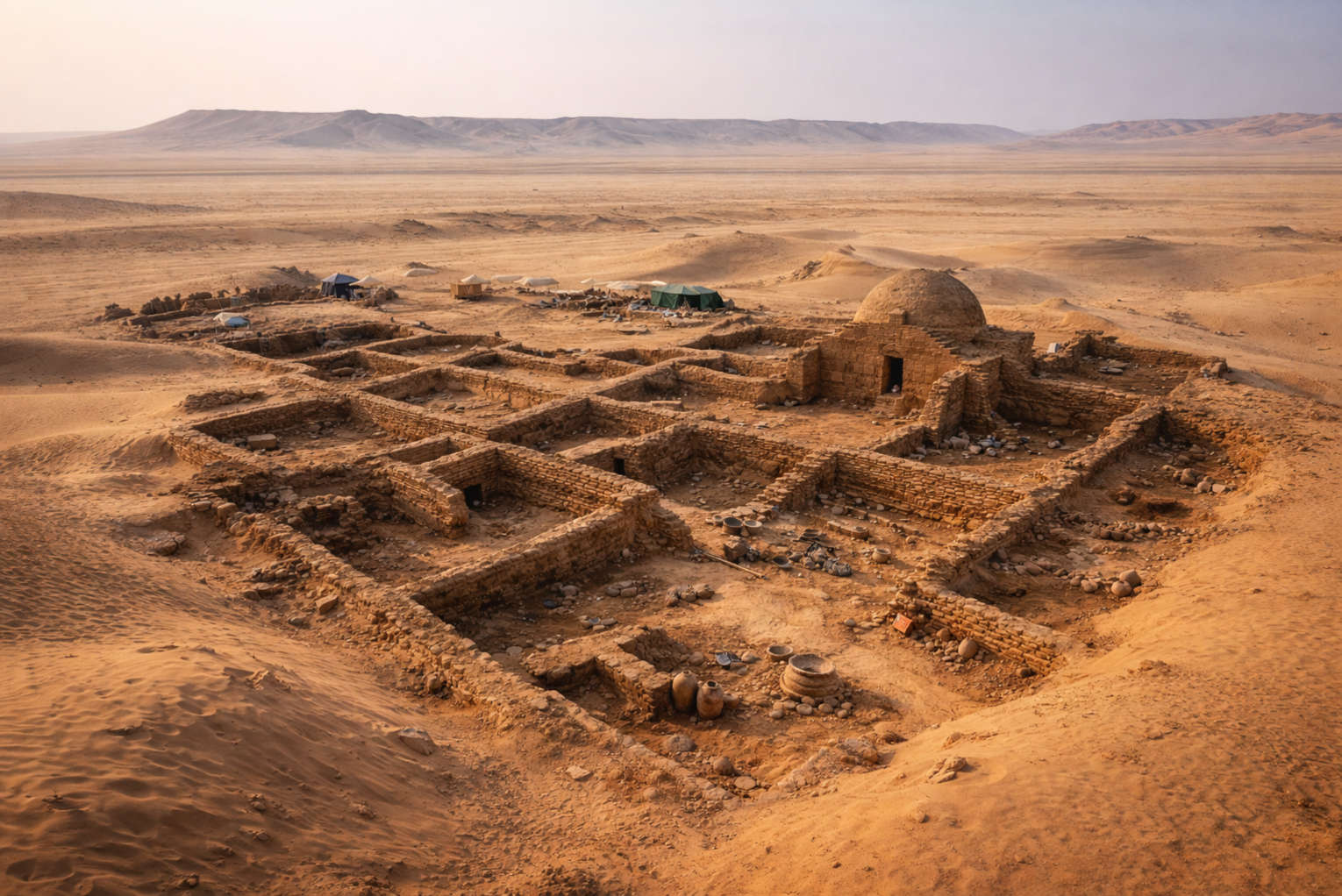
As reported by the New York Post, Egypt’s Ministry of Tourism and Antiquities announced the discovery in Wadi El-Natrun, a historic region widely known as a cradle of Christian monastic life. The site dates back to the fourth through sixth centuries A.D., placing it among the earliest organized communities of Christians who chose to step away from society to pursue holiness.

Order Dinesh D’Souza’s New Book, “The End of Time” on Amazon.com!
Life Inside One of Christianity’s Earliest Communities
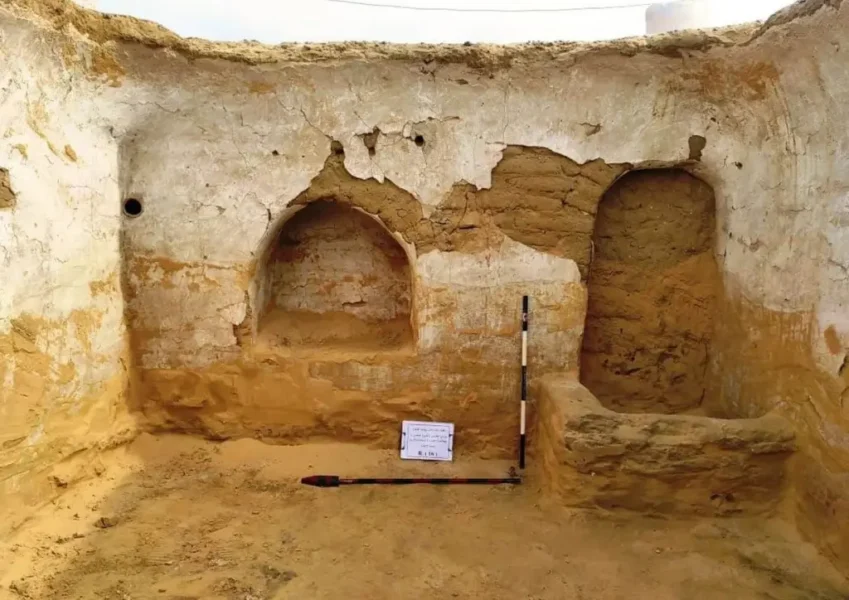
The structure itself is expansive, covering more than 21,000 square feet and built from mudbrick with thick fortified walls. At its center sits an open courtyard, surrounded by living quarters and functional spaces that supported daily life. Archaeologists identified monks’ cells alongside kitchens, ovens and storage rooms, painting a clear picture of a disciplined, self-sufficient community.
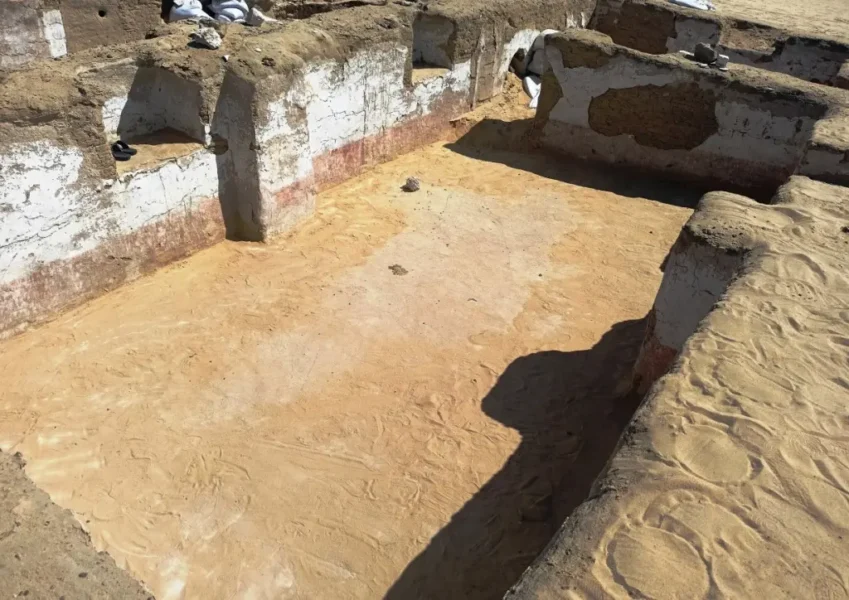
Excavators also uncovered human remains believed to belong to the monks who once lived there, along with inscriptions that include their names and written prayers asking God for mercy and forgiveness. These details offer a rare and personal glimpse into the spiritual rhythms that defined their lives.
The interior walls carry strong Christian symbolism. Covered in white plaster, they feature crosses, palm imagery and intricate patterns, all pointing to themes of victory, endurance and eternal hope. The use of domes and vaulted roofing systems shows thoughtful construction, reflecting a setting designed not only for survival but for worship.
A Living Reminder of Devotion and Surrender
This discovery brings renewed clarity to how early believers responded to the call of Scripture. These men lived out the command to remain steadfast in prayer and devotion (1 Thess. 5:17; Acts 2:42), separating themselves from worldly distractions to focus fully on God. Their lives reflect a level of surrender that still challenges and inspires us today.
Another striking feature is the presence of burial spaces within the monastery itself. This reveals a community that remained united in faith even in death, holding tightly to the promise of eternal life in Christ.
The find is part of a broader pattern of recent discoveries across Egypt, including additional monastic sites in the same region and in Sohag. Together, they continue to confirm Egypt’s central role in the spread and development of early Christianity.
This is more than an archaeological milestone. It is a reminder of what it looks like to pursue God with full commitment. The same call to prayer, repentance and devotion that shaped the early church still stands, inviting us to walk in deeper surrender and faith as we follow Jesus Christ.
James Lasher, a seasoned writer and editor at Charisma Media, combines faith and storytelling with a background in journalism from Otterbein University and ministry experience in Guatemala and the LA Dream Center. A Marine Corps and Air Force veteran, he is the author of The Revelation of Jesus: A Common Man’s Commentary and a contributor to Charisma magazine. For interviews and media inquiries, please contact [email protected].