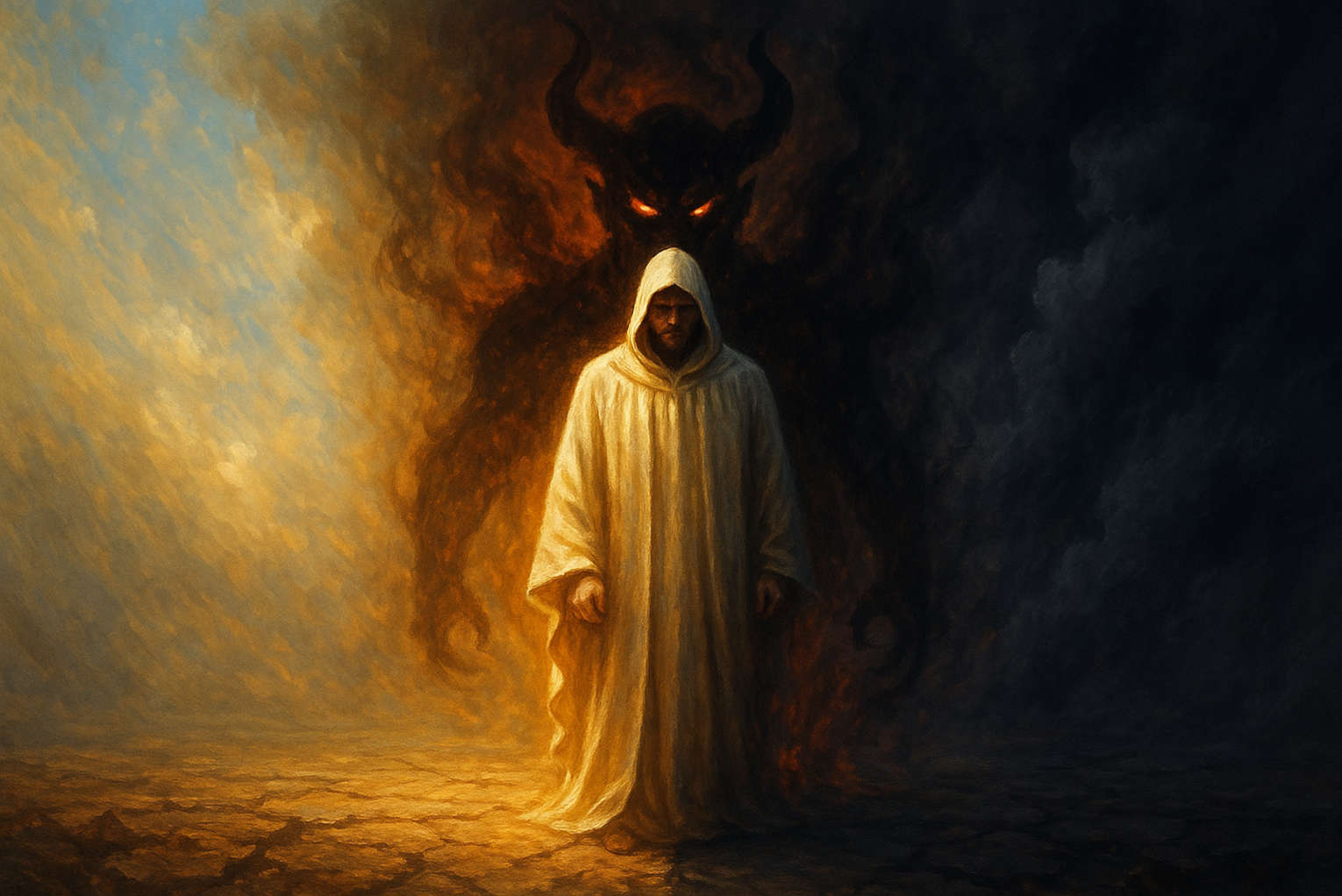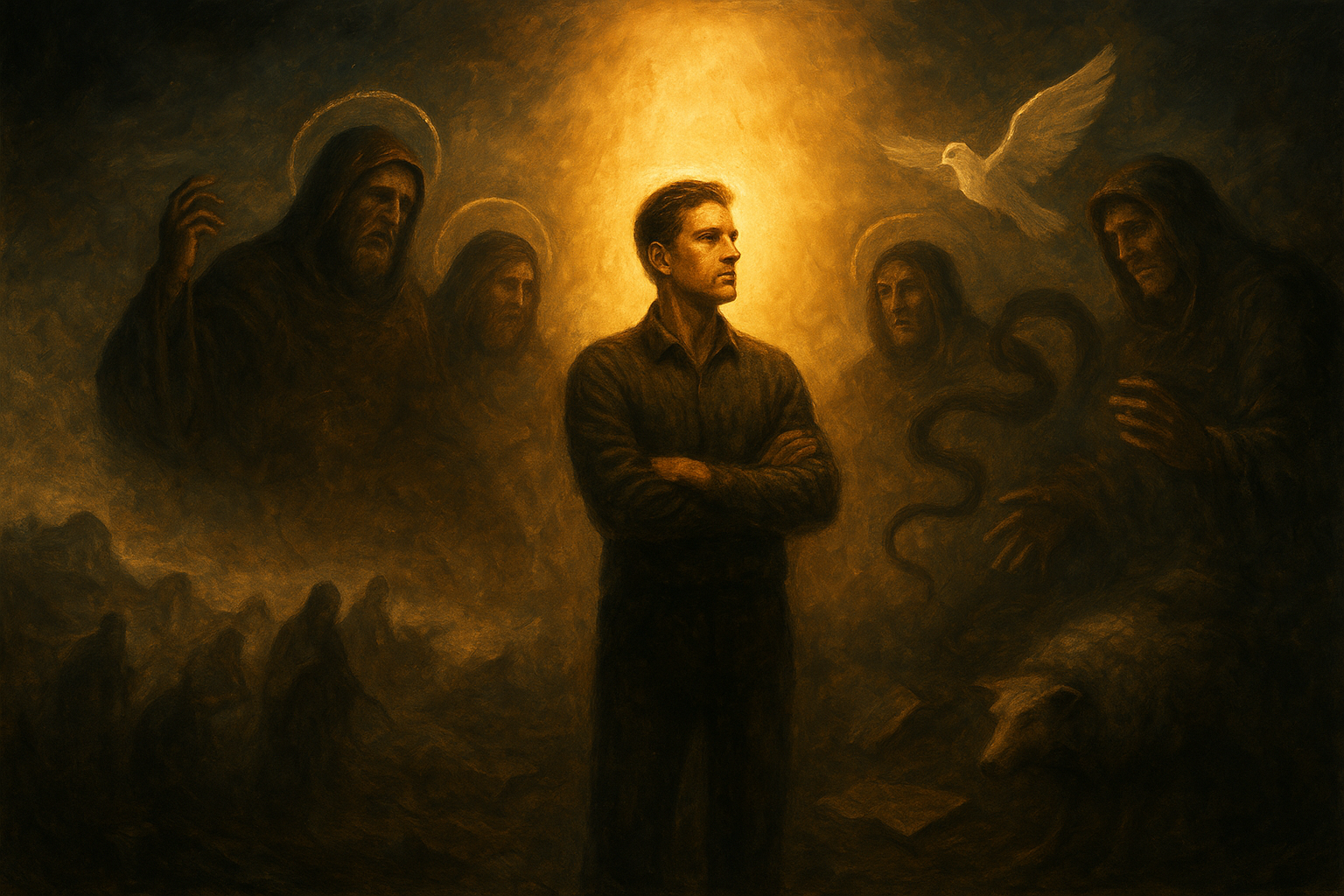
Disguised Deception Part 2: The Subtle Seduction of God’s Elect

The enemy’s objective is to drive you out of your destiny. Without discernment and wisdom, even the most righteous will fall victim to deception.

The anointing of God is protective. When you stay connected, you stay protected. When you disconnect, you become vulnerable.

Jehoshaphat, the king who walked in the spiritual DNA of David, was blessed with riches, honor, and abundance:

Now the Lord was with Jehoshaphat, for he walked in the previous ways of David his father, and he did not seek out the Baal cult. For he sought out the God of his fathers and walked in his commandments, rather than the deeds of Israel.

2 Chronicles 17:3–4, MEV

Yet when he aligned himself with Ahab, Jezebel’s husband, he stepped outside of divine protection:

Now Jehoshaphat had great riches and honor, and he married into the family of Ahab.

2 Chronicles 18:1

In Ahab’s final battle, his deceptive schemes intensified. He disguised himself with armor and sent Jehoshaphat to the front lines as bait:

But the king of Aram ordered his thirty-two commanders who had control over his chariots, saying, “Fight neither against small nor great, but only against the king of Israel.” So when the commanders of the chariots saw Jehoshaphat, they said, “Surely it is the king of Israel.” And they turned aside to fight against him, and Jehoshaphat cried out. When the commanders of the chariots realized that it was not the king of Israel, they turned away from pursuing him.

1 Kings 22:31-33

Ahab hoped Jehoshaphat would be mistaken for him. This was a murderous plot in disguise to take Jehoshaphat out. This was deception in disguise—an ungodly alliance almost cost a righteous man his life.

Order Jonathan Cahn’s New Book, “The Avatar” on !

The lesson is clear: You cannot afford to make an ungodly agreement with the enemy.

Do not be unequally yoked together with unbelievers. For what fellowship has righteousness with unrighteousness? What communion has light with darkness?

2 Corinthians 6:14

When you walk with God, you carry His spiritual DNA—riches, favor, honor, and abundance are part of your inheritance. These blessings flow only through obedience and alignment with truth.

The world may call for compromise, but the Word calls for conviction.

Jeremiah warned about false prophets:

For they prophesy a lie to you in order to remove you far from your land. And I will drive you out, and you shall perish.

Jeremiah 27:10

You are not obligated to people—you are obligated to the Lord.

For am I now seeking the approval of men or of God? Or am I trying to please men? For if I were still trying to please men, I would not be the servant of Christ.

Galatians 1:10

We are in a season where deception does not march through the front door; it slips in quietly, cloaked in compassion and coated in false unity. The enemy uses distracted believers as open doors.

The stories of Joshua and Jehoshaphat warn us that even the anointed can be deceived when discernment is disregarded. We are living in a generation where compromise is fashionable and conviction is rare. Yet God is calling His people to stand.

Dr. Michelle Corral is Founder of the Day of Destiny podcast and CEO of Breath of the Spirit Ministries, Dr. Michelle Corral has spent over 45 years spreading the prophetic Word of God worldwide. Through Chesed for Humanity International, she provides global humanitarian aid—most notably to Syrian refugees—and shares destiny-focused principles through her books, broadcasts and outreach.


Disguised Deception Part One: The Subtle Seduction of God’s Elect

False christs and false prophets will rise and show great signs and wonders to deceive, if possible, even the elect.

—Matthew 24:24

Deception is dangerous. It often comes disguised as righteousness, empathy or good intentions—difficult to recognize until it’s too late.

This is why it is our responsibility to stay on fire for God. When lukewarmness creeps in, deal with it immediately. Spiritual apathy enters quietly:

A little sleep, a little slumber, A little folding of the hands to sleep— So shall your poverty come on you like a prowler, And your need like an armed man.

—Proverbs 6:10–11

Natural laziness produces lack, spiritual laziness opens the door to bondage.


We can detect deception through prophetic principles. One principle is staged sympathy:

Using emotional appeal meant to bypass discernment. Some use pity to gain access or influence, masking deeper agendas.

The righteous are often most easily manipulated because compassion is their strength. However, compassion not guided by the Spirit becomes a weakness. We must discern genuine need from emotional manipulation.

We see disguised deception when Joshua was deceived by the Gibeonites, who pretended to be weary travelers seeking peace.

Staged sympathy led Israel into an ungodly covenant that cost them for generations.

This is an explicit expression of Matthew 24: even the elect can be deceived. One of the most anointed men in Scripture was still deceived. The same danger exists for us today.

The second prophetic principle is false responsibility:

When someone makes you feel obligated to fix a problem that is not yours, especially when others refuse responsibility.

We see this in Ahab, Jezebel’s husband. Scripture highlights King Jehoshaphat, one of the most godly kings in David’s lineage to illustrate this.

His integrity before God was unmatched. His character is described using language tied to the legacy of David himself:

The Lord was with Jehoshaphat… because he walked in the former ways of his father David.

—2 Chronicles 17:3

No other descendant of David is described this way. The phrase “the former ways of David” points to the period when David was tested and refined by heaven—the moments that proved David’s character. Jehoshaphat walked in those same holy patterns.

Who would have ever imagined that Jehoshaphat would form an alliance by marriage—an affinity—with the house of Jezebel and Ahab? That he would come into agreement with a legacy of deception? It is a sobering reminder that even the righteous can be pulled into deception when they feel responsible for fixing what God never assigned them to.

Naivety is not innocence—it’s inexperience without discernment.

The calling on your life is too great to be derailed by a seductive, subtle spirit. We are in an hour where deception is sophisticated and righteousness is rare. A false prophet, false word, or compromised agreement can destroy what God is building in you.

Behold, I send you out as sheep in the midst of wolves. Therefore be wise as serpents and harmless as doves. 

—Matthew 10:16

Look for part two to learn more about disguised deception and how to discern it.

Dr. Michelle Corral is Founder of the Day of Destiny podcast and CEO of Breath of the Spirit Ministries, Dr. Michelle Corral has spent over 45 years spreading the prophetic Word of God worldwide. Through Chesed for Humanity International, she provides global humanitarian aid—most notably to Syrian refugees—and shares destiny-focused principles through her books, broadcasts and outreach.


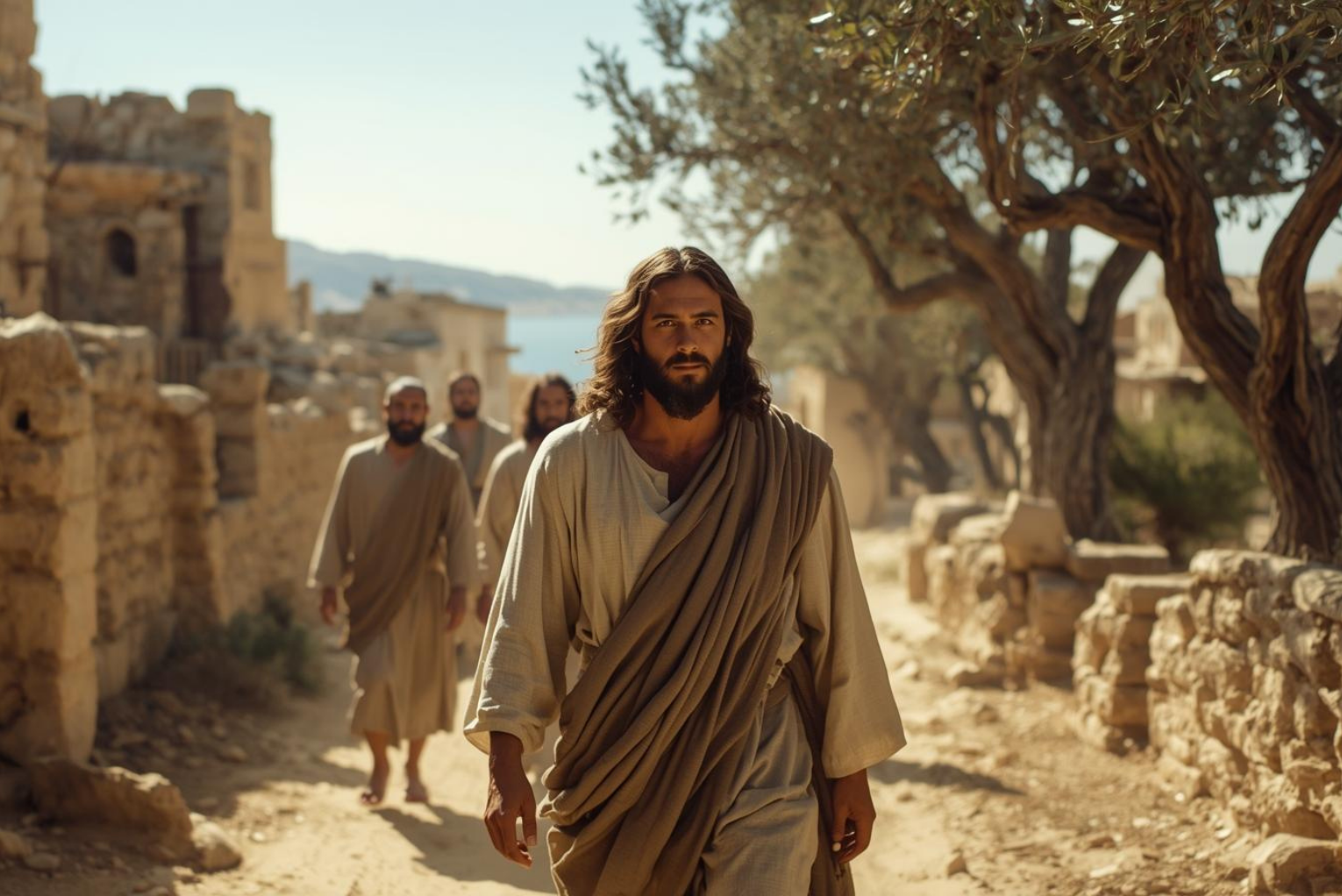
Jesus the Rabbi: The Case of the Mistaken Identity

As Christians, we know Jesus the Savior, but rarely do we stop to consider Jesus the Rabbi. For centuries, Jesus has been viewed through a post-Gentile lens. Rediscovering Jesus within His Jewish identity does not diminish Christian faith; it deepens and enriches it.

To understand Jesus fully, we must return to first-century Judaism. He was a Torah-observant Jew and true rabbi, born into a devout household. His father Joseph, described as a carpenter (nagar), an Aramaic term that also refers metaphorically to a learned man or Torah scholar. Jesus’ upbringing was steeped in halakhah (legal interpretation of Torah). Jesus grew up in a kosher home, attended synagogue, observed the Sabbath, and regularly studied the Torah. The ultimate sign of His devotion as a pious Jew was His reverence for observing biblical feasts (John 10:22).

Breaking News. Spirit-Filled Stories. Subscribe to Charisma on YouTube now!

The book of Luke records that Jesus regularly taught in synagogues (Luke 4:15–16, 32–33, 44, KJV). “And He was preaching in the synagogues of Galilee” (Luke 4:44, KJV). His teaching reflected the Hasidim, pietistic rabbis who interpreted Torah through chesed (lovingkindness). Each rabbi’s “yoke” modeled living the commandments, which disciples followed. When Jesus said, “Take my yoke upon you… and ye shall find rest” (Matt. 11:29, KJV), He extended a familiar rabbinic invitation to all.

To order Jonathan Cahn’s new book, The Avatar, visit .

His yoke contrasted with other rabbis who “bind heavy burdens and grievous to be borne” (Matthew 23:4, KJV). Jesus’ halakhah was grounded in mercy, justice, and humility: “For my yoke is easy, and my burden is light” (Matt. 11:30, KJV).

His miracles and teachings were inseparable. Crowds came to hear the Torah interpreted with authority and to be healed. He declared, “Think not that I am come to destroy the law, or the prophets: I am not come to destroy, but to fulfil” (Matt. 5:17, KJV). In rabbinic idiom, lekayem (fulfill) means to interpret Torah correctly; levatel (destroy) means to misinterpret it. Jesus positioned Himself as one restoring God’s original intent.

Get your FREE CHARISMA NEWSLETTERS today! Stay up to date with current issues, Holy Spirit news, Christian teachings, Charisma videos & more!

He lived as a hasid (pious one), serving the poor, healing the sick and welcoming the outcast, embodying Isaiah’s prophecy: “A bruised reed shall He not break, and the smoking flax shall He not quench” (Isa. 42:3, KJV). His halakhah did not crush; it restored.

Jesus often taught in mashalim (parables) – His unique tools for transformation – revealing the Malkut Shemayim (kingdom of heaven) and calling for covenantal obedience. To first-century Jews, the form was familiar, but His content was radical: clarifying God’s commandments, inviting transformation and calling for allegiance to God’s reign.

Join Charisma Magazine Online to follow everything the Holy Spirit is doing around the world!

When Jesus said, “Follow me,” He was calling for us to take His yoke – to walk as He walked. Knowing Jesus, the Rabbi, restores the fullness of His identity. To know Him is to understand the soil from which He sprang and to respond to His invitation:

“Come unto me, all ye that labour and are heavy laden, and I will give you rest… Take my yoke upon you, and learn of me…” (–29, KJV).

Dr. Michelle Corral is the founder of the Day of Destiny podcast and CEO of Breath of the Spirit Ministries, Dr. Corral has spent more than 45 years spreading the prophetic Word of God worldwide. Through Chesed for Humanity International, she provides global humanitarian aid and shares destiny-focused principles through her books, broadcasts and outreach.


Deliverance Is a Decision Part Two: Jesus Healing on Shabbat

In Part One, we looked at the roots of Shabbat—a day meant for rest, rooted in the idea of “ceasing” from work. But that raises a bigger question: why did Jesus choose to heal on the Sabbath, knowing it would provoke controversy? In this next section, we’ll explore how his actions fit within the broader conversation happening in Jewish thought at the time. Rather than breaking the Sabbath, Jesus may have been offering a new way of seeing it—one that puts compassion and restoration at the center. By looking at the historical and religious context, we’ll see how healing on the Sabbath wasn’t just a miracle—it was a message.

In Mark 3:4, Jesus asks,

And they watched him, whether he would heal him on the sabbath day; that they might accuse him. And he saith unto the man which had the withered hand, Stand forth. And he saith unto them, Is it lawful to do good on the sabbath days, or to do evil? to save life, or to kill? But they held their peace.

Breaking NewsSpirit-Filled Stories. Subscribe to Charisma on YouTube now!

This question reflects His understanding of nephesh—that true life, the very essence of one’s being and purpose, is worth saving. In His healings on the Sabbath, Jesus is not just offering physical restoration but is actively bringing people closer to the life God intends for them, both physically and spiritually.

So in John 5:1–9, when Jesus heals on the Sabbath, He is not breaking it, He is fulfilling the law of pikuach nephesh.

Now there is at Jerusalem… a pool, which is called in the Hebrew tongue Bethesda, having five porches. In these lay a great multitude of impotent folk… waiting for the moving of the water. For an angel went down at a certain season into the pool, and troubled the water: whosoever then first after the troubling of the water stepped in was made whole of whatsoever disease he had. And a certain man was there, which had an infirmity thirty and eight years. When Jesus saw him lie, and knew that he had been now a long time in that case, he saith unto him, Wilt thou be made whole? The impotent man answered him, Sir, I have no man, when the water is troubled, to put me into the pool: but while I am coming, another steppeth down before me. Jesus saith unto him, Rise, take up thy bed, and walk. And immediately the man was made whole, and took up his bed, and walked: and on the same day was the Sabbath.

Get your FREE CHARISMA NEWSLETTERS today! Stay up-to-date with current issues, Holy Spirit news, Christian teachings, Charisma videos & more!

Bethesda was a place in Jerusalem where those deemed impure by the Pharisees due to physical conditions gathered, excluded from observing Shabbat in the temple. They were outcasts, cut off from community, worship, and rest.

Jesus visiting Bethesda on Shabbat is deeply significant. On His way to the temple where others were celebrating; He stopped to see first the ones who could not celebrate Shabbat. There, He asks the man, “Wilt thou be made whole?” — an invitation to wholeness, to cease from the cycle of shame.

/**/

Jesus then says, “Rise, take up your bed, and walk.” And immediately, the man’s entire nephesh, his spirit, soul, and body is fully healed and restored.

Some of us are stuck in patterns that defeat our purpose. Jesus comes to interrupt the cycle, silence the torment, and fill us with His peace. Shabbat means: to stop, to cease, to rest. And that is often the first step in our deliverance.

Join Charisma Magazine Online to follow everything the Holy Spirit is doing around the world!

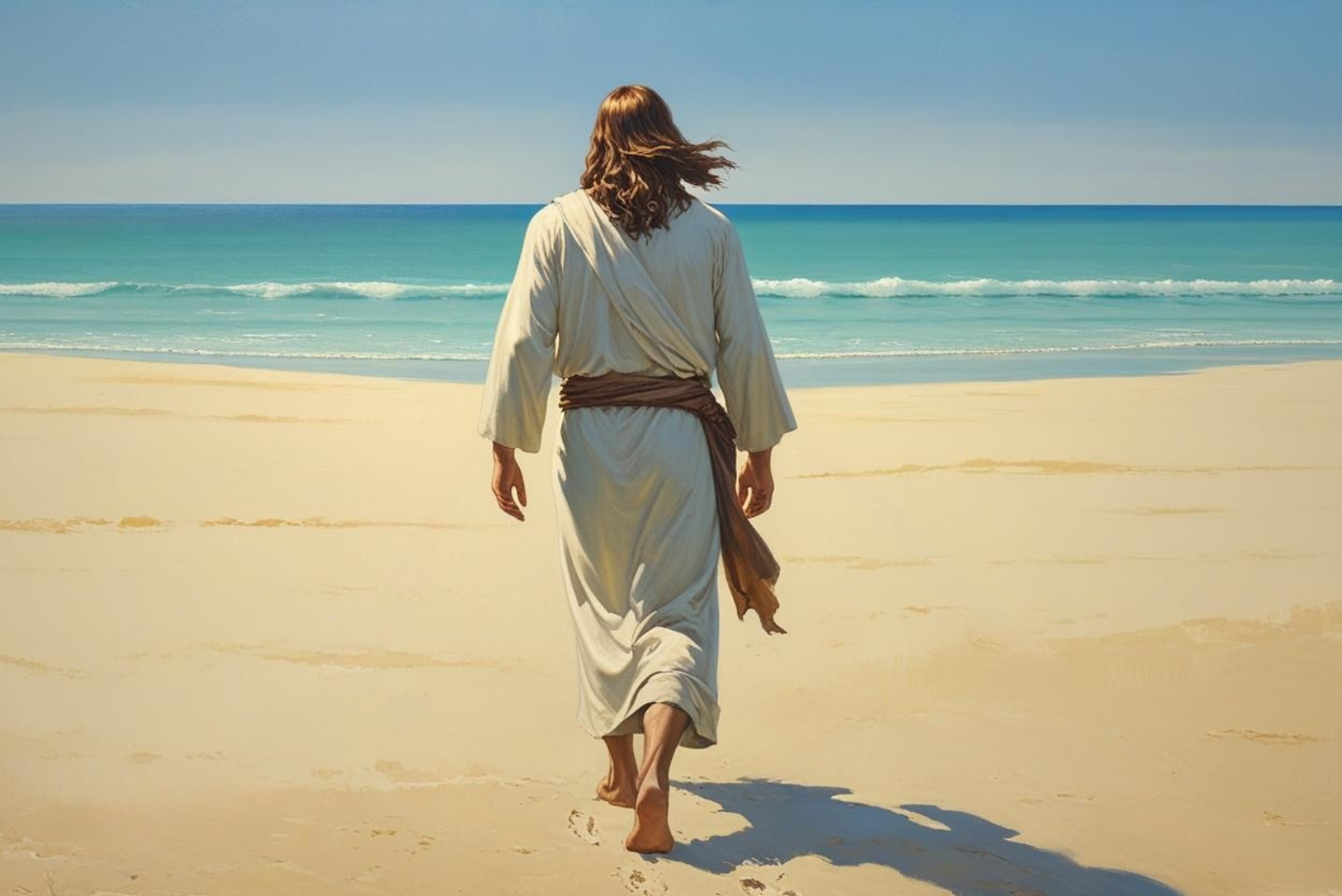
Jesus is still walking amongst the outcast. He seeks out the weary, wounded and waiting. Sometimes, it’s not just sin that isolates us, it’s pain, shame and sorrow. Life wounds us in ways that leave us feeling resigned. But Jesus doesn’t approach with condemnation. He comes with a question and offers us a choice: Will you be made whole?

Deliverance is a decision, and healing begins when we respond in faith.

Dr. Michelle Corral is Founder of the Day of Destiny podcast and CEO of Breath of the Spirit Ministries, Dr. Michelle Corral has spent over 45 years spreading the prophetic Word of God worldwide. Through Chesed for Humanity International, she provides global humanitarian aid—most notably to Syrian refugees—and shares destiny-focused principles through her books, broadcasts and outreach.


Deliverance Is a Decision Part One: Jesus Healing on Shabbat

Shabbat, the Sabbath, is known as the day of rest. “Shabbat” is the Hebrew term for “Sabbath,” but the word “Shabbat” is derived from the Hebrew verb “shavat,” which means “to cease from doing, to desist from labor, to rest”. This deeper understanding gives us a new perspective on its use in the Bible.

“Shabbat” first appears in the Bible is in Genesis 2:2–3:

and He rested on the seventh day from all of His work which He had made. And God blessed the seventh day, and sanctified it: because that in it He had rested from all His work which God created and made.

Breaking News. Spirit-Filled Stories. Subscribe to Charisma on YouTube now!

On the seventh day, the Sabbath, we see God celebrating the “Shabbat” by resting. He ceased from doing His work and celebrated, and humanity followed suit.

To order Jonathan Cahn’s new book, The Avatar, visit .

The second place the word Shabbat appears in Scripture is deeply significant, especially when applying hermeneutical rules of interpretation and concise biblical exegesis. It comes from an unexpected source: Pharaoh.

And Pharaoh said, Behold, the people of the land now are many, and ye make them rest from their burdens (Exod. 5:5).

Get your FREE CHARISMA NEWSLETTERS today! Stay up to date with current issues, Holy Spirit news, Christian teachings, Charisma videos & more!

Pharaoh reveals a supernatural truth hidden in the text. When Pharaoh says, “Ye make them rest from their burdens,” the Hebrew word “tashbitu” is used— derived from the same root as “Shabbat.” When Moses demands that the Israelites be allowed to serve God, Pharaoh refuses and accuses Moses of making the people “Shabbat” from their labors. In this context, Shabbat is linked to being released from oppressive work. This redefines the character and nature of Shabbat—not merely as a day of rest, but as a symbol of deliverance from captivity and liberation from bondage.

We see the term Shabbat again in Mark 2:27 where Jesus says:

The Sabbath was made for man, not man for the Sabbath (Mark 2:27).

God created the Sabbath for our rest—both physical and spiritual. The command to keep Shabbat is sacred, with only a few exceptions in Jewish law. One of those is the laws of pikuach nephesh: the preservation of life, which allows the Sabbath to be set aside when a life is at risk. In Hebrew, the word nephesh refers to both “soul” and “life”, the whole person– spirit, soul and body. It is not the same as chaim (life in the general sense), but rather a deeper, more specific kind of life that pertains to the soul’s ability to fuel the fire of our “true self,” which is intricately tied to our God-given purpose. This deeper sense of life is what Jesus engages with when He heals on the Sabbath. In doing so, He is not just healing physical ailments but is also “saving a life” in its fullest, spiritual sense.

Join Charisma Magazine Online to follow everything the Holy Spirit is doing around the world!

Shabbat is more than rest—it’s a sacred reminder of God’s rhythm and relationship with His people. As we turn to Part Two, we’ll see how Jesus, in healing on the Sabbath, wasn’t breaking it—but fulfilling its deepest purpose: to bring restoration and life.

Dr. Michelle Corral is Founder of the Day of Destiny podcast and CEO of Breath of the Spirit Ministries. Dr. Michelle Corral has spent more than 45 years spreading the prophetic Word of God worldwide. Through Chesed for Humanity International, she provides global humanitarian aid—most notably to Syrian refugees—and shares destiny-focused principles through her books, broadcasts and outreach.


Have You Lost Sight of Your God-Given Destiny?

Have you been fighting a battle so big that you have lost sight of the destiny God has for you?

Recently, we experienced the biblical feast of Rosh Hashanah, which demonstrates and authenticates the promise God made to Abraham in Genesis 22:17 (NASB): “Your seed shall possess the gates of their enemies.”

The akedah (Hebrew), also known as the “binding” of Isaac, was one of the first Rosh Hashanah-like events in the Bible. This is illustrated through the ram that became the substitutionary sacrifice for Isaac when it was caught in the thicket by its horn. The text emphasizes “ram’s horn,” which is a symbol of the biblical feast of Rosh Hashanah.

From this incredible event, God promised Abraham that his reward would go to his descendants: the “seed” of Abraham. Thus, every Rosh Hashanah, when the shofar sounds, God remembers His promises to the seed of Abraham.

To order Alexander Pagani’s “The Secrets to Maintaining Your Deliverance,” visit .

Breaking News. Spirit-Filled Stories. Subscribe to Charisma on YouTube now!

This is why Rosh Hashanah is also called a memorial. In Hebrew, this is a zikkaron, which is not just a recall to someone’s memory; it is much more than that.

Biblical feasts are, by nature, reenactments showing us that what God did then, He does again. In a personal sense, this means biblical feasts are times when God, who loves us tenderly, answers our personal needs and desires of the heart and most importantly, shifts us into miraculous moments with destiny.

What is the meaning of the name “Rosh Hashanah”? The Hebrew word rosh literally means “head.” One of the blessings said on Rosh Hashanah is: “May you be the head and not the tail.” This is not only said in prayers but also becomes a Rosh Hashanah greeting.

“And the Lord shall make thee the head, and not the tail” (Deut. 28:13a, KJV). But what does that mean? Psalm 3:3 (NKJV) states: “But You, O Lord, are a shield for me, My glory and the One who lifts up my head.” The “lifter of your head” is one of the meanings of Rosh Hashanah because it marks the head of the year. This is the time that God makes us the head and not the tail.

Being the lifter of your head is a euphemistic phrase. It is an idiomatic expression used since ancient biblical times, meaning to restore a person to their original place that they have lost.

Get your FREE CHARISMA NEWSLETTERS today! Stay up to date with current issues, Holy Spirit news, Christian teachings, Charisma videos & more!

Have you been under so much spiritual warfare and attack that you feel you have lost your position and your place?

God wants to restore you back to the place you were prior to your trials and tribulations. In Psalm 27:6a, the Bible says, “And now my head shall be lifted up above my enemies all around me.”

Though Rosh Hashanah may have passed, as we move into this miraculous new year on the biblical calendar, the anointing of Rosh Hashanah remains with us in this biblical year of 5785.

In this season, let the Lord be the lifter of your head.

No weapon formed against you shall prosper. The biblical new year has been ordained to stop the cycles, and all things will become new in Christ. “No weapon formed against you shall prosper” (Isa. 54:17a).

Join Charisma Magazine Online to follow everything the Holy Spirit is doing around the world!

Dr. Michelle Corral is the CEO and founder of Breath of the Spirit Ministries International, Inc. and host of “Day of Destiny” on the Charisma Podcast Network.


The Mountain Shall Be Yours

Have you ever been so intimidated by your trials and tribulations that you thought, “This cannot be God’s will”?

Jesus promised that your faith will move a mountain: “You will say to this mountain, ‘Move from here to there,’ and it will move, and nothing will be impossible for you” (Matt. 17:20, ESV).

Does your mountain produce intimidation—or determination?

Joshua gave the children of Joseph the lot of a huge mountain. The word lot in the Hebrew language means destiny.

The lot—destiny— was more than enough territory for their massive population. However, the children of Manasseh expected to receive territory without a fight. They anticipated a free pass to their destiny.

When they discovered their responsibility was to drive out the giants and chariots of iron and cut down the wood of the mountain, they refused their inheritance.

The children of Joseph replied, “‘The mountain country is not enough for us; and all the Canaanites who dwell in the land of the valley have chariots of iron, both those who are of Beth Shean and its towns and those who are of the Valley of Jezreel’” (Josh. 17:16, NKJV).

Breaking News. Spirit-Filled Stories. Subscribe to Charisma on YouTube now!

The children of Joseph expected Joshua to hand them their destiny on a silver platter. They did not perceive the difficulties that come with destiny. They did not recognize that the mountains filled with giants and wood requiring them to cut it down were, in fact, their inheritance.

Joshua told them, “You are a great people and have great power; you shall not have only one lot, but the mountain country shall be yours” (Joshua 17:17-18a).

Does your mountain intimidate you? Do not be deceived out of your destiny. God had ordained the children of Ephraim and the children of Manasseh to take that mountain as their inheritance. Their anointing was to drive out the chariots of iron.

They were given the strength and power to do the impossible because it was God’s will for them to be possessors of His promises. Throughout the Bible, strong determination is shown to be the key to activating the impossible.

To take possession of your land and destiny, you must drive out wicked spirits. Sometimes, this requires tremendous spiritual warfare. Are you willing to fight the battle?

One biblical success secret is given to us by Paul in 1 Timothy 1:18b: “according to the prophecies previously made concerning you, that by them you may wage the good warfare.”

This means your prophecy and prophetic word are the anointed arsenal that will eliminate every destiny-destroying spirit in your life.

Get your FREE CHARISMA NEWSLETTERS today! Stay up to date with current issues, Holy Spirit news, Christian teachings, Charisma videos & more!

Consider waging war with the spirit of prophecy operating within you. In 2 Kings 6, the prophet Elisha received revelation from God, intercepting the king of Syria’s devastating surprise attacks against Israel. Each time the king plotted, Elisha revealed the scheme, delivering Israel from multiple traps.

The Bible teaches us how to wage war with weapons that are not carnal but mighty through God for the pulling down of strongholds:

“For the weapons of our warfare are not carnal but mighty in God for pulling down strongholds” (2 Cor. 10:4).

An incredible example is found in the book of Esther. Through wisdom and discernment, Esther knew which words to use and what plans to execute to bring Haman down, gaining the king’s favor for Israel.

These examples foreshadow how the gifts of the Holy Spirit empower us with a fail-proof plan for possessing the promises of God—taking our territory and moving our mountains.

In this new biblical year we are entering, let us receive the grace for the impossible, that we come behind in no gift, waiting for the coming of the Lord:

““So that you come short in no gift, eagerly waiting for the revelation of our Lord Jesus Christ” (1 Cor. 1:7).

Join Charisma Magazine Online to follow everything the Holy Spirit is doing around the world!

Driven by a mission to bring the prophetic Word of God to Southern California and the entire globe, Dr. Michelle Corral, CEO and founder of Breath of the Spirit Ministries International, Inc., provides destiny-focused principles for your life. For more than 45 years, this anointed minister has continued to serve those in need through humanitarian efforts, powerful books and more. When you are ready to turn your intimidation into determination, click here to listen now to her podcast, “Day of Destiny.


How Little Secrets Bring Big Success

What does the Bible teach us about self-confrontation? Is it a good thing or a bad thing when your heart smites you?

In the story of David, the Bible records something so profound that it reveals to us a miraculous miracle of astronomical magnitude. We see in 1 Samuel 24:5 that the text says, “David’s heart smote him”.

…Behold, I will deliver thine enemy into thine hand, that thou mayest do to him as it shall seem good unto thee. Then David arose, and cut off the skirt of Saul’s robe privily.

And it came to pass afterward, that David’s heart smote him, because he had cut off Saul’s skirt” (1 Samuel 24:5).

Without context, it would seem to us that simply cutting a small bit of a man’s skirt who is hunting you day and night would not register as something inherently wrong at all. However, for David, he did this not in the spirit but in the flesh – he became a fugitive of his own choice in order to avoid confrontation and temptation to retaliate against Saul.

In Psalm 17:3, David says, “I am purposed that my mouth shall not transgress”. And in Psalm 39:1 David  says, “I said, I will take heed to my ways, that I sin not with my tongue: I will keep my mouth with a bridle, while the wicked is before me”.

“Thou hast proved mine heart; thou hast visited me in the night; thou hast tried me, and shalt find nothing; I am purposed that my mouth shall not transgress” (Psalm 17:3).

I said, I will take heed to my ways, that I sin not with my tongue: I will keep my mouth with a bridle, while the wicked is before me” (Psalm 39:1).

What the scripture tells us in both Psalm 17:3 and Psalm 39:1 is the same thing it is revealing to us in 1 Samuel 24:5. It is telling us that David understood his test was not really just about the test, it was much deeper than that. The real test for David was in his thoughts and temptation to sin with his words, and imaginations against others in what seems unfair or not right that is hurled against us. This test is not just personal to David in the Bible, but to us in our everyday lives.

David knew this secret. David also knew that the most important treasure – more important than anything he desired or possessed – was the presence of God.

“The Lord is my rock, fortress, and my deliverer; my God, my strength, in whom I will trust; my buckler, and the horn of my salvation, and my high tower” (Psalm 18:2).

David became the greatest teacher in the Hebrew Scripture on how to dwell in the Lord’s presence and what blocks and grieves the Holy Spirit.

David’s way was perfect before God.

“I will behave myself wisely in a perfect way. O when wilt thou come unto me? I will walk within my house with a perfect heart” (Psalm 101:2).

David took accountability for his mistake with Saul, because David’s heart “smote him” God gave him the same test immediately after, just in a different format.

This time there was not even a trace of “hidden anger or revenge for his enemy”. Within days, the long awaited prophecy that was given to David by Samuel came to pass.

“And the men of Judah came, and there they anointed David king over the house of Judah. And they told David, saying, That the men of Jabeshgilead were they that buried Saul” (2 Samuel 2:4).

Seven years later, God took David’s enemy and through an arch enemy took out the head of Saul’s army, the chief acting prime minister over Saul’s army, and brought all of Israel together and anointed David as king over all of Israel.

“So all the elders of Israel came to the king Hebron; and king David made a league with them in Hebron before the Lord: and they anointed David king over Israel” (2 Samuel 5:3).

Even though David had passed the Lord’s initial test, the Lord continued to test David.

Near the end of David’s life, he did a deplorable thing:

“For the king said to Joab the captain of the host, which was with him, Go now through all the tribes of Israel, from Dan even to Beersheba and number ye people, that I may know the number of people” (2 Samuel 24:2-3).

David numbered Israel’s troops without “the atonement” covering for war by counting the hosts of Israel’s army with a half of a shekel of silver per head as an atonement in battle.

Get your FREE CHARISMA NEWSLETTERS today! Stay up-to-date with current issues, Holy Spirit news, Christian teachings, Charisma videos & more!

“And thou shalt take the atonement money of the children of Israel, and shalt appoint it for the service of the tabernacle of the congregation; that it may be a memorial unto the children of Israel before the Lord, to make an atonement for your souls” (Exodus 30:16).

As a result of this, a plague broke out with 70-thousand casualties dead. The Bible tells us that David’s heart again, “smote him”.

“And David’s heart smote him after that he had numbered the people. And David said unto the Lord, I have sinned greatly in that I have done: and now, I beseech thee, O Lord, take away the iniquity of thy servant; for I have done very foolishly” (2 Samuel 24:10).

David repented and listened to his heart. He took complete ownership over his wrongdoing. He did not “cover it up” or try to shift the blame to someone else – he came to terms with his actions and was not afraid of his consequences because he knew what he did was wrong.

It was self confrontation. He did not allow a lie into his heart to try to make what he did wrong seem right.

In that moment, God turned his mistake into a miracle. Everything was reversed. The prophet God instructed him to build “an altar unto the Lord in the threshing floor of Araunah the Jebusite”.

“And Gad came that day to David, and said unto him, Go up, rear an altar unto the Lord in the threshing floor of Araunah the Jebusite” (2 Samuel 24:18).

Later, that altar and threshing floor became the habitation of heaven on earth, Solomon’s temple.

David was able to use the skill of self scrutiny and accountability from his early life to end. This brought the greatest, most monumental, divine reversals and turnarounds of his life.

Join Charisma Magazine Online to follow everything the Holy Spirit is doing around the world!

If we are able to use David as an example of how to dwell in the presence of the Lord and do His will and not give into our worldly temptations – we will get to know the Lord so closely and step into our God-given destiny. {eoa}Driven by a mission to bring the prophetic Word of God to Southern California and the entire globe, Dr. Michelle Corral, CEO and founder of Breath of the Spirit Ministries International, Inc., provides destiny-focused principles for your life. For more than 45 years, this anointed minister has continued to serve those in need through humanitarian efforts, powerful books, and more. If learning about how to go from distress to success interests you. Click here to listen now to my podcast, Day of Destiny.


They Shall Cast Out Spirits

Did you know that the first article in the great commission of Mark 16:17  is “In my name, they shall cast out devils”? This reveals to us the first of five mandates of ministry. Out of those five, three are related explicitly to subduing spirits.

In a contextual sense of scripture, the ministry of Jesus begins with contending with demonic power. In the three synoptic gospels, the ministry of Jesus starts with conquering satanic power during His time of resistance during the 40 days of temptation in the wilderness. He has (being fully God and man) legally established his authority as the champion over satanic rule to establish the Kingdom of God.

In Mark’s Gospel, the context conveys that the destiny of the 12 disciples was to preach the gospel, heal the sick, and cast out devils (Mark 3:15):

“And to have power to heal sicknesses, and to cast out devils …”

If we continue in Mark’s Gospel, we can see that in Mark 6:7 Jesus commissions the 12 to go forth two by two specifically with the mission to cast out devils.

“And he called unto him the twelve, and began to send them forth by two and two; and gave them power over unclean spirits”

In Mark 6:7 it is singularized. Luke’s gospel, in a broader perspective, the mandates for the ministry are expanded to 70 disciples. We see in Luke 10:1:

“After these things the Lord appointed other seventy also, and sent them two and two before his face into every city and place, whither he himself would come”

And again in Luke 10:17-18:

“And the seventy returned again with joy, saying, Lord, even the devils are subject unto us through thy name. And he said unto them, I beheld Satan as lightning fall from heaven”

Finally, in the great commission, He commands, “In my name they shall cast out devils”.

Does Jesus teach us how to cast out spirits in a specific way? The answer to this question lies in the multiple instances that the four evangelists teach us in their powerful demonstrations of messianic power, in each case of Jesus casting out spirits.

They do this by demonstrating messianic power in each case when Jesus casts out spirits. For example, in Mark 9:29 when the 12 ask the question, “Why could we not cast him out?” and thus Jesus responded, “This kind cometh forth by nothing but prayer and fasting”. This statement teaches us depths into the world of deliverance by using the words “this kind”.

Because the New Testament was written in the Greek language, to extrapolate the deeper dimension of deliverance, the keywords used by Jesus when understood in the original language teach us volumes. In Greek, the word “this kind” is the genos. Genos means a specific type or species. The word genos was used frequently in the Hellenistic culture of the Greek-speaking world to mean species. This means discerning spirits is going to be necessary to know how to properly extricate the individual from demonic oppression and tyranny. The gospels help us identify that critical component of deliverance.

The text teaches us that there are certain spirits associated with diseases and descriptions. We see this in Luke 8:2:

“And certain women, which had been healed of evil spirits and infirmities, Mary called Magdalene, out of whom went seven devils”

And also in Acts 19:11-12:

And God wrought special miracles by the hands of Paul: So that from his body were brought unto the sick handkerchiefs or aprons, and the diseases departed from them, and the evil spirits went out of them”

The text teaches the associations of evil spirits and infirmities. In understanding this concept, this kind – meaning species– the Gospel also shows us self-destructive spirits which are violent and ruthless. This particular classification of demonic subjugation is demonstrated in the demoniac of the Gadarenes as seen in Mark 5:5:

And always, night and day, he was in the mountains, and in the tombs, crying, and cutting himself with stones”

We see the scripture identifies this self-destructive destroying spirit as one that compels self-destruction.

Another method of deliverance that Jesus teaches us is to be able to identify the point of entry skillfully. In Mark 9:21, before Jesus cast out the deaf and dumb spirit, Jesus asked the father of the young man “How long ago since this came to him?”.

“And he asked his father, How long is it ago since this came unto him? And he said, Of a child”

Mark 9:21

In surveying the text, Jesus was training his disciples because they could not cast this spirit out. And therefore this question is asked to the boy’s father for our benefit. That is when we fulfill the mission of casting out spirits. We must look for the origin of the entrance.

In both cases in the demoniac of the Gadarenes in Mark 5 and the case of the young man in Mark 9, both appear to have the same point of entrance – through deep-rooted trauma in the past.

Notice in 9:21 the father of the young man responds, “of a child” In the case of the demoniac of the Gadarenes, scripture refers to him as a man dwelling among the tombs. This also refers to the pain of the past as a form of entry.

The word tombs in the Greek language, mnéma, one of the multiple meanings of this Greek word is memory vault. a monument or memorial to perpetuate the memory of any person or thing.

No matter how deep your prison of pain may be, the Jesus that we serve today is the same Jesus of Nazareth who went about doing good healing all oppressed of the devil – the specialized specified messianic mission contains within itself depths of deliverance. The Bible says only the messiah will be a primary identifying tool of who the real messiah is.

Isaiah 61:1 “The Spirit of the Lord God is upon me; because the Lord hath anointed me to preach good tidings unto the meek; he hath sent me to bind up the brokenhearted, to proclaim liberty to the captives, and the opening of the prison to them that are bound”

The prison doors that He is opening today are also spiritual prisons to free us from all demonic domination. Through the power of divine liberation from demonic domination.

About Dr. Michelle Corral: Driven by a mission to bring the prophetic Word of God to Southern California and the entire globe, Dr. Michelle Corral, CEO and founder of Breath of the Spirit Ministries International, Inc., provides destiny-focused principles for your life. For more than 45 years, this anointed minister has continued to serve those in need through humanitarian efforts, powerful books, and more. If learning about how to go from distress to success interests you. Click here to listen now to my podcast, Day of Destiny.


Waging Deborah’s War

What is the spiritual significance of Deborah’s war and does it apply to our lives today?  In The Book of Judges lies a tremendous theology of the Holy Spirit.

The first introduction of Deborah is in Judges 4:1-4, she is introduced as the “wife of Lapidoth”. In rabbinic writings, Lapidoth means “torches”. According to this translation, Deborah was the “woman of the torches”. She is the only person to be called prophet and judge in Judges. Her courage cultivated Israel to stand up against the long residence of the Canaanites’ “chariots of iron”.

There are several prophetic meanings to the name Deborah that is extracted from the Hebrew language. Her name “Devorah,” as it is said in Hebrew, has hidden in it the Hebrew word “devar”. Devar (pronounced phonetically “debar”) means “spoken word,” this is spiritually synonymous with the prophetic word she spoke to the people of Israel.

In every Hebrew word lies a concept.  Hermeneutically, the secrets of Hebrew words are revealed in a 3-letter root, and also in the “prefix and suffix”. In the suffix of Deborah’s name is the Hebrew word “orah”. “Orah” is also the suffix of Torah.  This defines her mission of teaching God’s word throughout Israel.

Her call to “drive out tyranny in the territory” under 20 years of oppression by the “chariots of iron” under the Canaanites is one that would require unique levels of bravery and boldness. During this time, Israel had fallen under a culture of compromise that caused the nation to lapse into laxity under the rule of the Canaanites. Deborah’s mission was to break this mindset that the subjugation under this tyrannical rule was to be their “new normal”. The adoption of this mindset caused even the idea of confrontation with the Canaanites, and their “chariots of iron”,  unthinkable for Israel. Israel had accepted this tyranny as “normal“. They believed they did not have the ability to drive the Canaanites out.

Deborah was a system breaker. She was called to lift the level of people Israel back to its original status given to them at Mount Sinai “to be high above all nations of Earth” (Deuteronomy 28:1, Exodus 19:5-6).

The Bible teaches us that these “chariots of iron” terrorized the territory for 20 years (Judges 4:2) intending to systematically break down the people of Israel physically, mentally, and spiritually. Scripture teaches that “iron” is spiritually synonymous with bondage. Sometimes, we become spiritually conditioned to captivity.  After a period of time, we can become programmed by our pain. We can feel we are disqualified from destiny. This makes us susceptible to compromise by accepting a lower level of living.

Deborah leaves a legacy that teaches us how to wage war against compromise. We can accept a belief system that deters us from our highest destiny. She teaches us to fight the battle in Tanach (Judges 5:19).

“Tanach” in Hebrew is the word for all of the Hebrew Scriptures combined. Fighting the battle in “Tanach” is a focal point of how heaven entered the battle with Israel through the Word. This is a spiritual strategy left in Scripture by Deborah that the wars of God must be fought with His Word—“He sent forth his word and healed them and delivered them from all their destruction” (Psalm 107:20).

We live in a world that has been reckoned with a culture of compromise. We can believe we’ll never “break out of the bondage” or recapture again our highest destiny because of circumstances in our life.

As believers, we have the authority to take back every detail of the dream in our lives. We can turn our obstacles into opportunities. God can turn our mistakes into miracles. We can be so determined for destiny that nothing can intimidate us from God’s high calling.

Judges challenges us to see that “There was no king in the land and every man did what was right in his own eyes” (Judges 17:6, Judges 21:25). This scripture heads as context and a warning. We live in a society that is contrary to Biblical values. In turn, this results what’s acceptable to be determined by the individual.

Deborah’s call to war ignited the brave and courageous “who willingly offered themselves“ (Judges 5:2). Those who responded are a reflection of those in the Church that will stand tall as we approach end times (see Revelations 12:11).

In 2023, let us regain our strength and overcome our chariots of iron and reach our highest-designed destiny in life. Deborah‘s war is still being placed upon us today. We are faced with a decision: to stand up for the word and the way of God or that lapse into apathy.

Bring Charisma magazine home with a subscription today!

Dr. Michelle Corral is the president and founder of Breath of the Spirit International Ministries since 1978 and is the pastor of Breath of the Spirit Prophetic Word Center. Dr. Corral has preached the gospel in 51 countries. She is also the founder of Chesed Hope for Humanity, which is one of the missionary outreaches of Breath of the Spirit International Ministries dedicated to international humanitarian projects around the world.