

But to you who fear My name, the Sun of Righteousness shall arise with healing in His wings. — Malachi 4:2, NKJV
Now we’re turning to a nutrient so powerful that it acts more like a hormone than a vitamin. Of all the
numbers you can know for your health, this one may be the most important: your vitamin D levels.
Vitamin D3 is essential for maintaining bone density, muscle strength and healthy teeth. Without enough
Vitamin D, the body can absorb only about 10–15 percent of the calcium you consume. Deficiency usually leads to rickets in children and osteomalacia (soft, weakened bones) in adults. Vitamin D3 directs calcium and phosphorus from food and supplements into your bones, teeth and muscles, ensuring they remain strong and resilient.
During the COVID-19 pandemic, countless people became severely ill. Yet despite being in contact with
thousands of patients and traveling frequently, neither my wife, Mary, nor I became sick—not once. One major reason: We kept our vitamin D optimized.
Vitamin D is your body’s frontline defense against viral and bacterial infections. It’s the immune system’s
thermostat, helping regulate inflammation, prevent overreaction and strengthen resistance to disease.
Vitamin D is also known to reduce the risk and severity of the flu and other respiratory infections, especially for the elderly or those with chronic illnesses.
How to Boost Your Vitamin D
The best way to raise your vitamin D level is through supplementation. As we age, our ability to convert
sunlight into vitamin D steadily declines. Younger people can usually make enough from time outdoors,
but most older adults can’t—especially during the winter or if they live in northern climates. When the
weather turns cold and people bundle up in coats and sweaters, their skin is no longer exposed to the sun and vitamin D production drops dramatically.
Researchers have found a clear connection between where you live and how healthy your immune system is. The farther north you live, the lower your vitamin D levels tend to be and the higher your risk for
autoimmune disorders, infections and certain cancers.
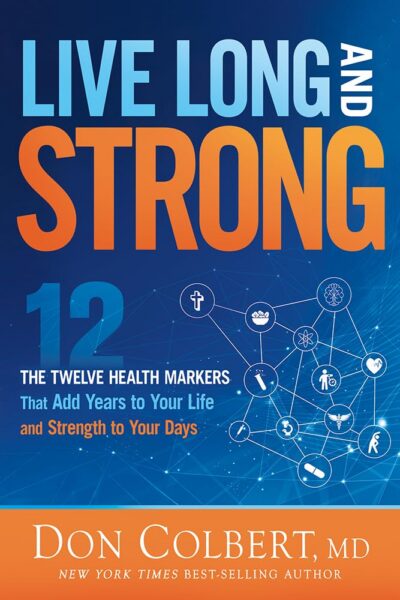
Order Dr. Don Colbert’s New Book, “Live Long and Strong” on Amazon.com!
How Much You Need
Most adults do well taking 2,000 IU of vitamin D3 daily to maintain a level around 60 ng/mL. Some people, particularly those who are overweight, may need 5,000 or even 10,000 IU or more per day to reach the same blood level. The reason is that vitamin D becomes sequestered in fatty tissue and isn’t as available for use throughout the body.
Vitamin D2 is still used in medicine to treat rare conditions such as rickets, hypoparathyroidism and
severe calcium deficiency. It’s available by prescription in doses of 50,000 IU, typically taken once a week.
However, for everyday supplementation, D3 is safer and more effective.
Why Calcium Matters
The body loses about 500 mg of calcium from the bones every day. Without adequate vitamin D, that
calcium isn’t replaced and bone strength gradually declines. Vitamin D drives calcium and phosphorus
into the bones, teeth and muscles, where they’re needed for strength and structure. This is why vitamin
D deficiency can lead to tooth loss, muscle weakness, and brittle bones, especially after pregnancy, when the body’s mineral stores are depleted.
A daily calcium supplement paired with vitamin D helps restore what’s lost. Good food sources of
calcium include leafy greens, almonds, yogurt and fortified plant-based milks.
Foods That Contain Vitamin D
Vitamin D is found naturally in very few foods. The richest dietary sources are fatty fish such as salmon,
sardines and mackerel. Four ounces of wild-caught salmon contain about 1,400 IU of vitamin D, while farm-raised salmon has about 15 to 25 percent of that amount. That’s why choosing wild-caught fish
whenever possible makes a real difference.
Other foods, such as milk, yogurt, orange juice and cereal, are fortified with vitamin D, but the amounts are usually far below what’s needed for optimal levels. These fortified foods can help, but supplementation is still necessary for most people.
When Too Much is Too Much
As with any nutrient, balance is key. A vitamin D level above 100 ng/mL is considered high, and levels above 150 ng/mL can be dangerous. Excessive vitamin D can raise blood calcium levels too high, a condition called hypercalcemia. Mild hypercalcemia occurs when blood calcium measures 10.5–11.9 mg/dL, moderate between 12.0–13.9 mg/dL. A calcium level above 14 mg/dL is a medical emergency that can cause nausea, vomiting, dehydration, confusion, irregular heart rhythms and even coma.
That’s why it’s important to check your vitamin D and calcium levels regularly. If calcium is high (above 10.5 or 11), your doctor may also test your parathyroid hormone. Occasionally, an overactive parathyroid gland (called a parathyroid adenoma) is to blame, and it may need to be surgically removed. These cases are rare, but they highlight the importance of knowing your numbers and following up when something looks off.
Prevention Is Always Better
Too often, patients come to me after a diagnosis of metastatic cancer, and I can’t help but think how much of it could have been prevented. The body always gives early warning signs—elevated inflammatory markers, high PSA, or low vitamin D—but if no one checks, those signs are missed.
An ounce of prevention truly is worth a pound of cure. When you pair a healthy, anti-inflammatory diet—such as the Mediterranean or healthy keto plan from my book Beyond Keto—with daily vitamin D, K2 and key nutrients like DIM, you strengthen your body’s defenses against disease.
Vitamin K2, in particular, works hand in hand with vitamin D3. It helps regulate calcium metabolism, directing calcium into the bones and keeping it out of the arteries. This not only strengthens your skeleton but also protects your heart and blood vessels.
You were designed to live with vitality and purpose—not to fade away in sickness. God’s best is
that you live long and strong, equipped with knowledge and empowered to take charge of your health.
Don Colbert, MD, is board‐certified in family practice and anti‐aging medicine. He has also received extensive training in nutritional and preventative medicine, and he has helped millions of people to discover the joy of living in divine health. In addition to speaking at conferences, he is the author of the New York Times best-sellers “The Seven Pillars of Health” and “Dr. Colbert’s ‘I Can Do This Diet.’” His new book, Live Long and Strong, is available on Amazon.com.

Thank you