
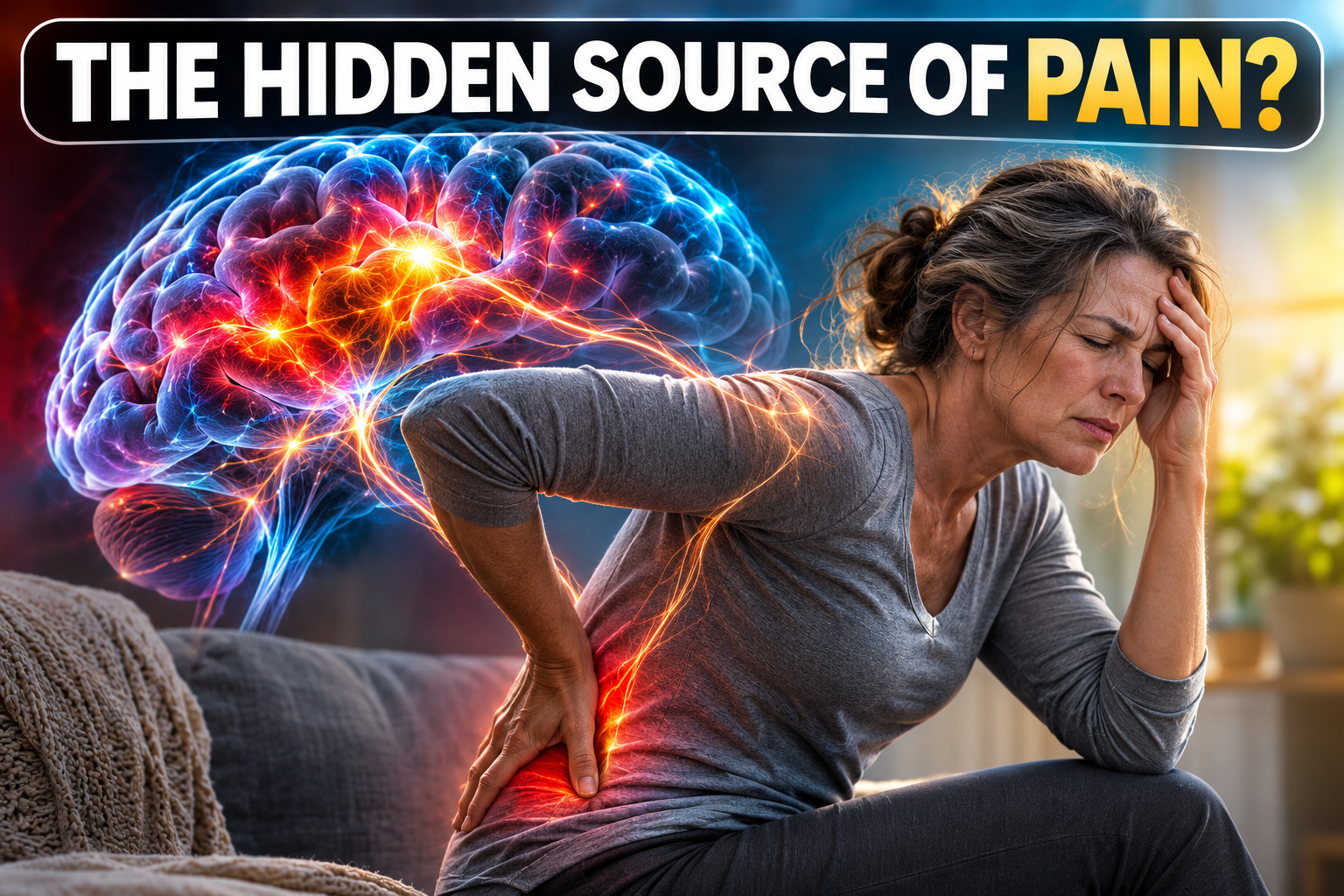
Chronic pain, the kind that lasts three months or longer, affects 100 million Americans. Whether it hurts in the back, knee, hip, joints or even all over, people experiencing chronic pain often feel hopeless about ever finding relief. However, a new approach that uses the latest scientific discoveries is now gaining traction. It involves thinking and behaving differently.
When it comes to chronic pain, traditional therapies include medications and procedures like steroid injections or surgeries.
The Big Lie
Pain scientist Dr. Rachel Zoffness, author of the book Tell Me Where It Hurts: The New Science of Pain and How to Heal, told CBN News that oftentimes the traditional therapies don’t work. She said that’s because pain isn’t purely physical. It’s also emotional. This means healing comes when we target the brain in addition to the body.
“We all have been sold this lie about what pain really is,” she said. “We are told that pain is a purely biomedical problem, something to do just with anatomy and physiology that requires a purely biomedical solution like pills and procedures.”
Dr. Zoffness said emotional pain contributes to physical pain because both travel the same neuropathways.
“The parts of the brain that make emotions also make pain,” she said. “100 percent of the sensory messages from your body filter through the brain’s emotion machinery before it becomes the thing we call pain. So pain is both physical and emotional 100 percent of the time.”
Dr. Zoffness illustrates the power of our thoughts by pointing to phantom limb pain.
To order Mark Stengler’s new book, Ultimate Health and Healing, visit Amazon.com.
“If you can have terrible leg pain in a leg that is no longer attached to your body, that tells us pretty definitively that pain must be constructed somewhere else,” she said. “And we know from decades of neuroscience that that somewhere else is the brain.”
She says negative thinking such as fear and anger trigger stress hormones that can amplify pain and suppress the body’s natural painkillers.
“Chronic pain and trauma are best friends, and they live together 80 percent of the time. Our veterans are living with a disproportionate amount of chronic pain because trauma turns the brain into a pain megaphone,” she said. “A lot of us cope with negative emotions by shutting them down and shoving them away somewhere where the sun don’t shine, especially for the military population. And while that’s normal, it’s a normal adaptive coping response, it’s bad for your pain.”
Healthy Habits
Zoffness describes a number of ways to change negative, pain-amplifying thoughts into positive, pain-suppressing thoughts that include talking to a trusted therapist.
Dr. Zoffness said our habits can also increase or decrease pain. For example, an unhealthy diet can lead to inflammation in the body and brain, which can make pain worse. She recommends an anti-inflammatory diet low in ultra-processed foods and high in whole foods.
Sleep deprivation can also make pain worse, which is why she recommends trying to get as good a night’s rest as possible.
Many people experiencing chronic pain want to remain sedentary. However, Zoffness said movement can actually help relieve chronic pain. She describes her individualized plan to help patients gradually increase movement to slowly get back to doing their favorite activities.
“I’m going to find out from you how much you can do on a bad day; maybe you can’t do anything, and I’m going to find out from you how much you can do on a good day. Maybe you can do 20 minutes of activity,” she said. “From there, I’m going to craft for you an expert pacing protocol to help you get from zero to your goal.”
Anyone who has experienced chronic pain will tell you their natural inclination is to isolate. However, Dr. Zoffness said that can exacerbate pain. She recommends socializing in person to help lighten distress.
While chronic pain sufferers can find relief through medications and procedures, many find those approaches lacking. That’s why focusing on emotions and behavior can be so important because changing thoughts and habits can be the missing link to feeling better.
By Lorie Johnson. Published by agreement with CBN News.