
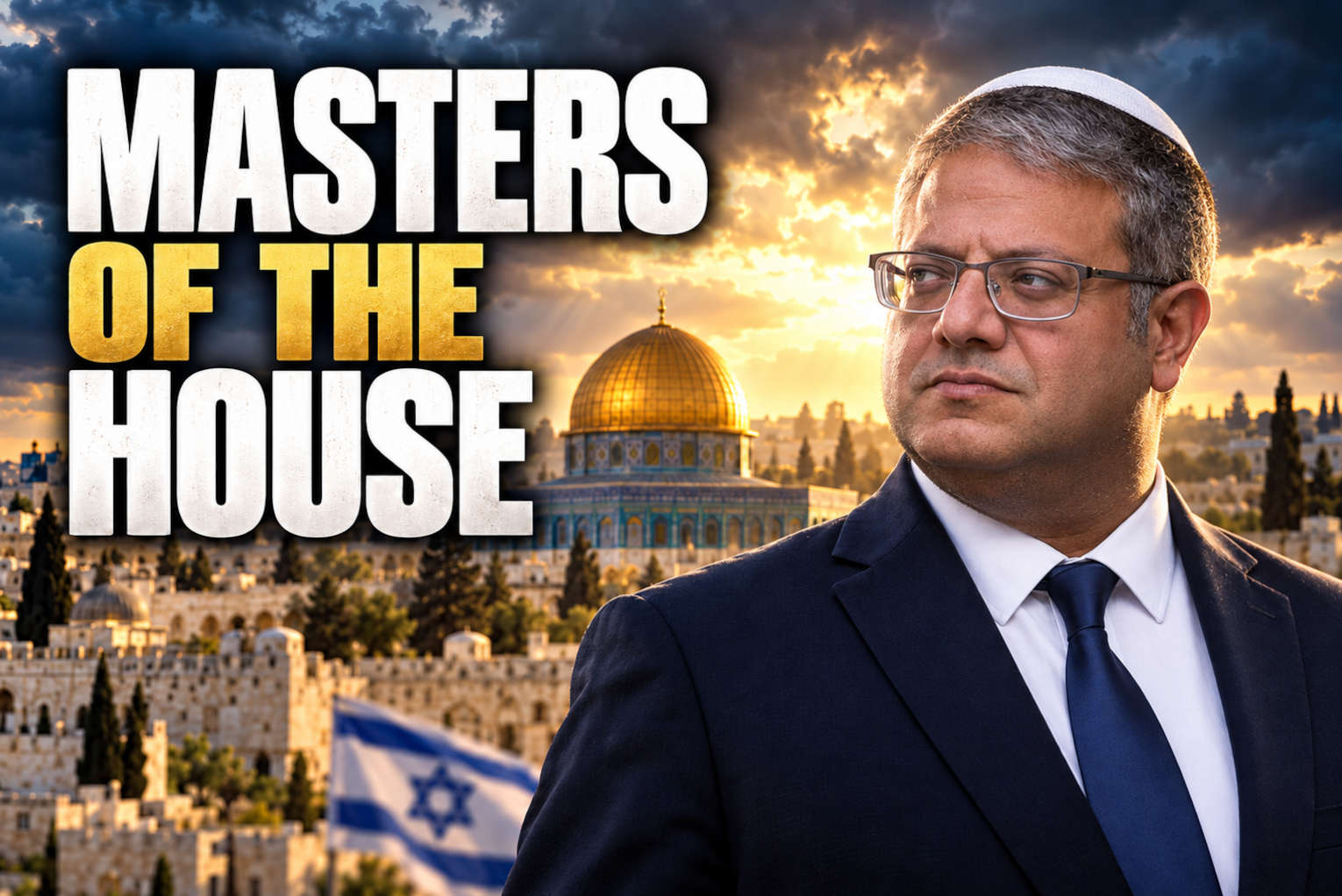
Hamas called its Oct. 7 massacre the “Al-Aqsa Flood,” invoking one of Jerusalem’s most contested holy sites as a banner for terrorism. Three years later, Israeli National Security Minister Itamar Ben Gvir stood on the Temple Mount and turned that message back on the terrorist organization.
“Hamas wanted to defeat us. They called it the ‘Al-Aqsa Flood,’” Ben Gvir said during his Monday visit. “But today, we are the masters of the house on the Temple Mount.”
Ben Gvir visited the site during Sukkot, the Feast of Tabernacles, as thousands of Jewish worshippers gathered across Jerusalem and Hebron. His appearance carried political and symbolic weight at a location sacred to the Jewish people but administered under a delicate religious arrangement.
“October 7 was massive and enormous pain, great pain,” Ben Gvir said. “But today, three years later, on the holiday of Sukkot, a holiday of joy, we can rejoice in many things that have happened since then.”
The national security minister pointed to steps Israel has taken since the attack, including tougher restrictions on security prisoners, expanded civilian gun licensing and the establishment of rapid-response squads.
“We handed out weapons and set up rapid-response squads,” he said. “Three years later, the people of Israel are heading toward total victory.”
Israel controls security on the Temple Mount, while the Islamic Waqf administers religious affairs. Under the site’s official status quo, Jews are permitted to visit during designated hours but remain barred from praying there.
Ben Gvir, whose ministry oversees Israel’s police, has repeatedly said Jewish prayer is permitted on the Mount. Prime Minister Benjamin Netanyahu has publicly maintained that the status quo has not changed.
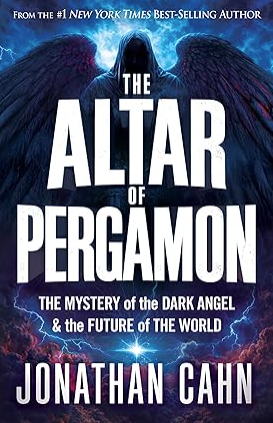
Order Jonathan Cahn’s New Book, “The Altar of Pergamon” on Amazon.com!
Ben Gvir said he prayed at the site for Israeli victory, redemption and sovereignty.
“On this holiday, I am praying here on the Temple Mount, in the most important place, for total victory, for complete redemption, for death to all the terrorists, and for sovereignty here in the most important place for the Jewish people,” he said.
The visit quickly drew condemnation from Hamas, Palestinian officials, Turkey and the United Arab Emirates. Hamas accused Israel of “paving the way for total control” of the site, while the Palestinian Authority’s Jerusalem Governorate called the visit an attempt to impose a new religious reality.
Turkey’s state-run Anadolu news agency described Jewish visitors as “occupiers” who “stormed the Al-Aqsa Mosque.” Turkish media used similar language to characterize Ben Gvir’s appearance at the Western Wall, Judaism’s holiest prayer site.
That same morning, tens of thousands gathered at the Western Wall for Birkat Kohanim, the Priestly Blessing. Former U.S. Ambassador to Israel David Friedman, who participated in the ceremony for the 10th consecutive year, called the turnout “the largest in history” and declared, “Israel is back!”
Three years after Hamas invoked Al-Aqsa to launch its attack, Ben Gvir used the Temple Mount to deliver an unmistakable response.
“They wanted to win,” he said. “We defeated them, first and foremost here on the Temple Mount.”
James Lasher, a seasoned writer and editor at Charisma Media, combines faith and storytelling with a journalism background from Otterbein University and ministry experience in Guatemala and at the LA Dream Center. A Marine Corps and Air Force veteran, he is the author of The Revelation of Jesus: A Common Man’s Commentary and a contributor to Charisma magazine. For interviews and media inquiries, please contact [email protected].
