For nearly 2,000 years, evidence of an ancient pagan cult sat etched in stone in a region where the gospel would eventually take root.
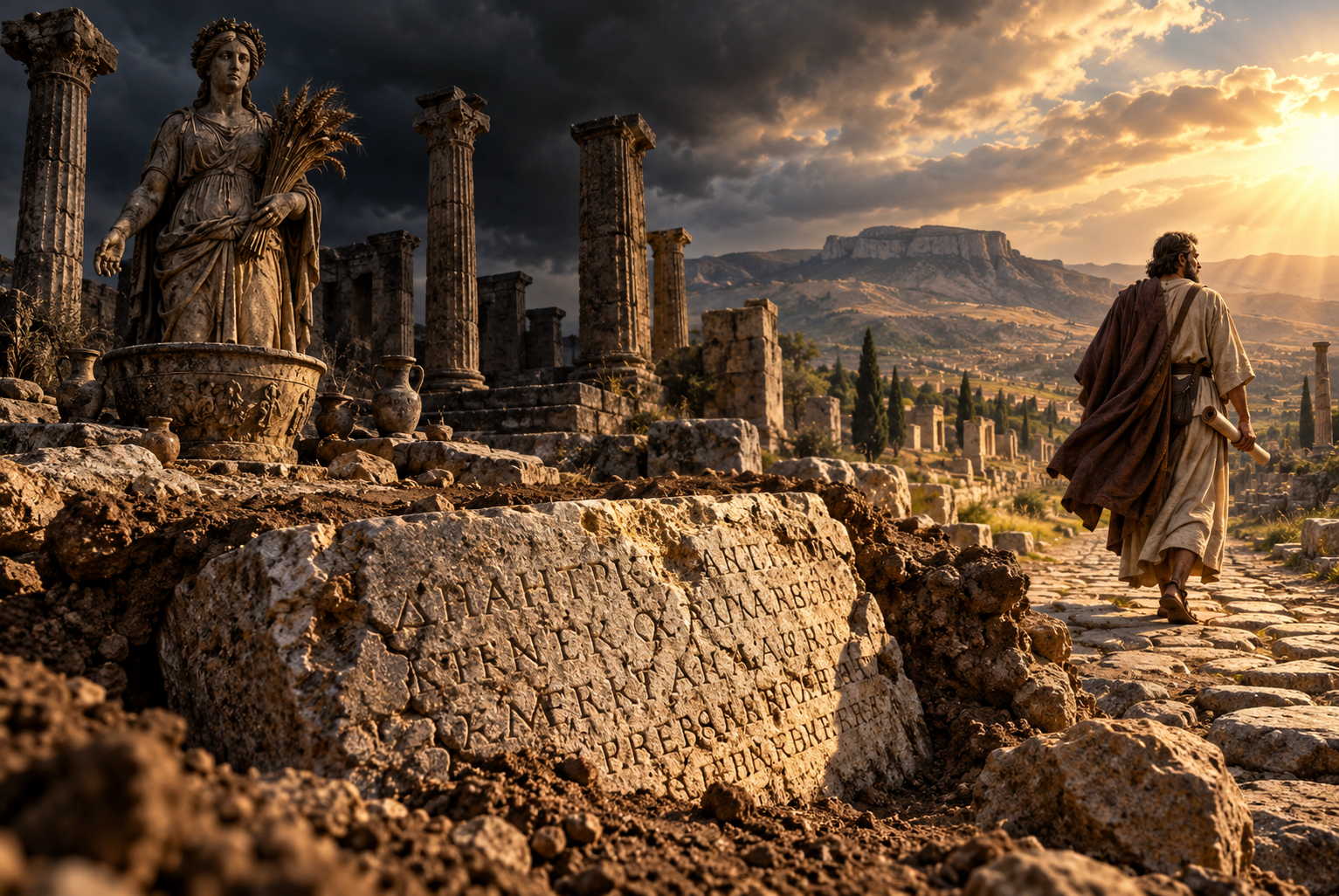
Newly studied inscriptions from the ancient city of Akmoneia in modern-day Turkey are pulling back the curtain on the pagan religious world of Phrygia, the biblical region the apostle Paul traveled through.
According to Fox News Digital, researchers examined nine inscriptions from Akmoneia dating from the first through third centuries A.D., revealing new details about the religious and everyday lives of those who inhabited the ancient city.
Perhaps the most striking discovery is an inscription connected to the worship of Demeter Karpophoros, a form of the Greek goddess Demeter connected to agriculture, fertility and the harvest.
Researchers Hüseyin Uzunoğlu of Akdeniz University and Münteha Dinç of Uşak University reported the inscriptions in the academic journal Gephyra. According to Fox News, Uzunoğlu said that while the worship of Demeter Karpophoros is documented elsewhere in Asia Minor, inscriptional evidence for the cult had not previously been found in Phrygia.
That makes the discovery more than just another collection of ancient writings. It provides a window into the spiritual landscape of a region that would become intertwined with the explosive growth of Christianity.
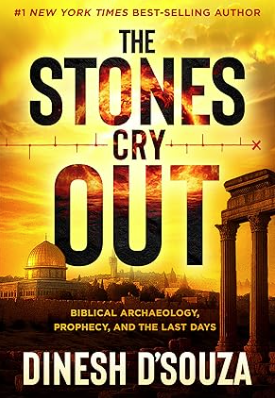
To order Dinesh D’Souza’s new book, The Stones Cry Out, visit Amazon.com.
The New Testament specifically records Paul traveling through Phrygia.
Acts 16:6 says Paul and his companions traveled through Phrygia and Galatia during his missionary work. Later, Acts 18:23 describes Paul traveling through Galatia and Phrygia, strengthening the disciples.
No evidence shows that Paul personally entered Akmoneia, a distinction Douglas Estes, associate professor of New Testament at South University, emphasized to Fox News. Yet the discovery provides broader context for the culture surrounding the early church in this part of the ancient world.
And that culture was decidedly pagan.
These communities were filled with established gods, priesthoods, rituals and religious traditions. Another inscription examined by researchers even honors a woman named Mandana who served as a high priestess, providing further evidence of the organized religious life surrounding Akmoneia.
Yet paganism would not have the final word in Phrygia.
The inscriptions reveal a world in which pagan worship was deeply woven into public life. The book of Acts, meanwhile, records Paul moving through this same broader region, carrying a radically different message—the gospel of Jesus Christ.
Centuries later, archaeologists are still uncovering traces of the spiritual world Christianity encountered as it spread across the Roman Empire.
The stones may bear the names of ancient gods and forgotten cults, but history records what happened next: Christianity took root, disciples multiplied and the gospel continued moving forward.
Abby Trivett is a writer and editor for Charisma Media and has a passion for sharing the gospel through the written word. She holds two degrees from Regent University, a B.A. in Communication with a concentration in Journalism and a Master of Arts in Journalism. She is the author of the newly released book, The Power of Suddenly: Discover How God Can Change Everything in a Moment. For interviews and media inquiries, please contact [email protected].