

For centuries, Christians have journeyed to Jerusalem seeking the places where Jesus walked, taught, died and rose again. While debates continue over the precise locations of some of the Bible’s most sacred sites, archaeologists and biblical scholars say the discoveries beneath Jerusalem’s streets continue to strengthen confidence in Scripture—even if science cannot answer every question.
During a recent episode of TBN’s Biblical Archaeology, Jerusalem Regional Archaeologist Amit Re’em explained that archaeology serves an important role in understanding biblical history, but it also has limitations.
“I’m not sure that we, the archaeologists, could prove these ancient events or disprove them,” Re’em said during the program. “It’s not our job. I could not tell you that it happened or not happened. Only the possibility.” According to the program, Re’em emphasized that archaeology eventually reaches what he described as a “glass ceiling,” leaving matters of faith to believers.
The episode explores several of Jerusalem’s most significant biblical locations, including the traditional Tomb of David, the Upper Room on Mount Zion and the Church of the Holy Sepulchre.
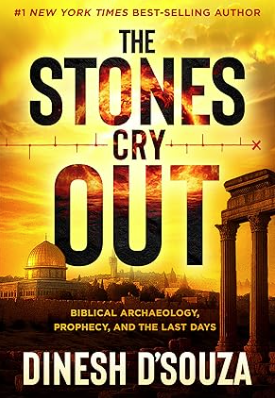
To order Dinesh D’Souza’s new book, The Stones Cry Out, visit Amazon.com.
Although archaeologists acknowledge that traditions surrounding some sites developed centuries after the biblical events they commemorate, evidence beneath many of these locations continues to point to occupation during the Second Temple period.
Those earlier remains may explain why generations of Christians chose to honor these places as sacred.
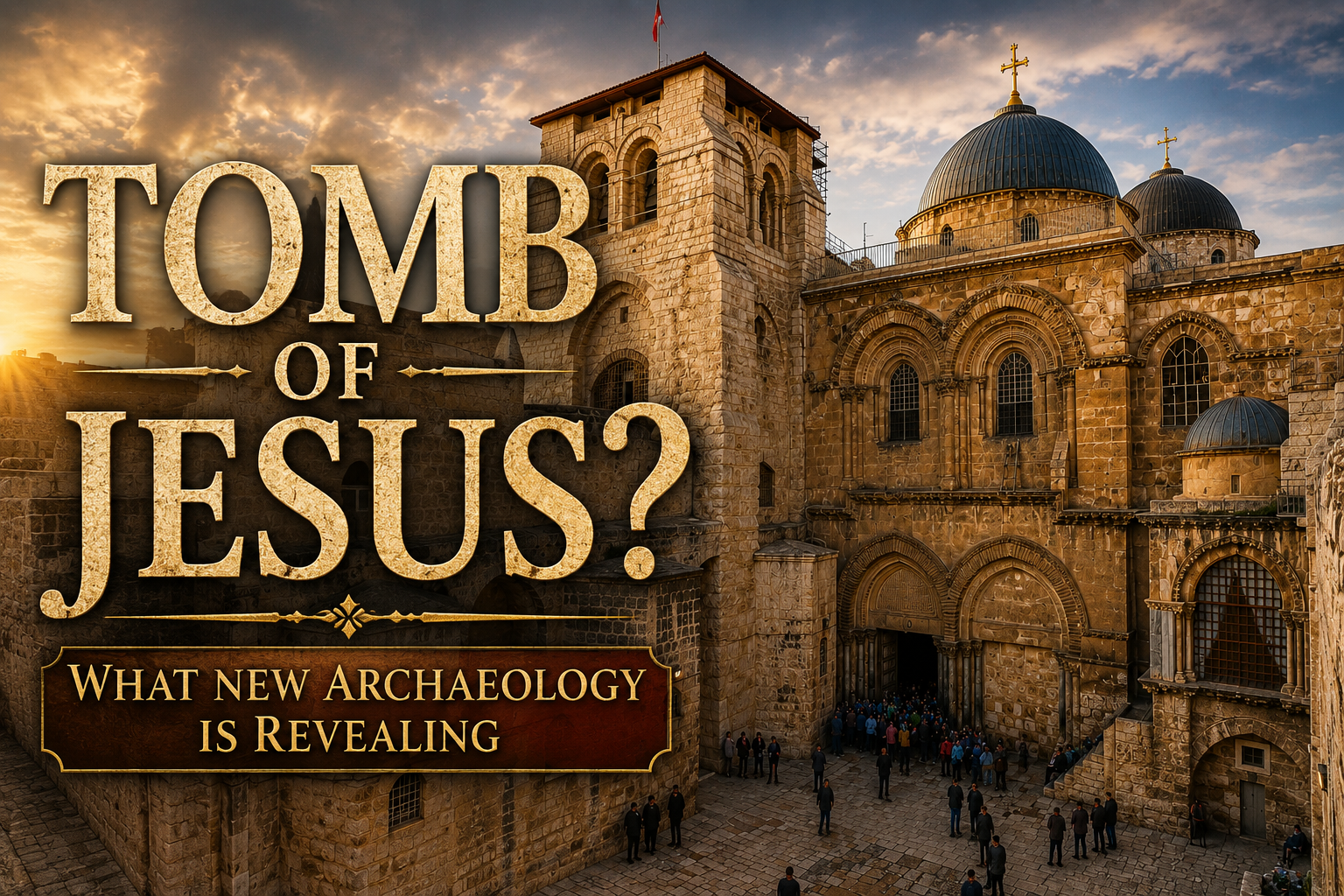
Perhaps the strongest discussion centers on the Church of the Holy Sepulchre.
According to the program, many historians and scholars believe it remains the most likely location of Jesus’ crucifixion, burial and resurrection. Father David Neuhaus, superior of the Holy Land Jesuits, said the site’s holiness extends beyond archaeology.
“What makes it holy,” Neuhaus said, “is that when people come to pray there, they should become more holy than they were when they first entered.”
The program also highlights how six historic Christian traditions share custody of the church, demonstrating that despite theological differences, believers remain united around the death and resurrection of Jesus Christ.
The journey concludes at the Garden Tomb, another location associated with Christ’s burial. While the site cannot be definitively identified as Jesus’ tomb, guide Riki Neeb explained that its greatest significance lies in pointing visitors to the Gospel message rather than proving a location.
Excavations continue to uncover details that illuminate the biblical world, yet the greatest evidence remains the transformed lives of those who encounter the risen Christ. As Jesus declared, if people remain silent, “the stones” themselves will testify—a theme that echoes throughout the program as archaeology continues to reveal Scripture’s remarkable historical setting.
Abby Trivett is a writer and editor for Charisma Media and has a passion for sharing the gospel through the written word. She holds two degrees from Regent University, a B.A. in Communication with a concentration in Journalism and a Master of Arts in Journalism. She is the author of the newly released book, The Power of Suddenly: Discover How God Can Change Everything in a Moment. For interviews and media inquiries, please contact [email protected].