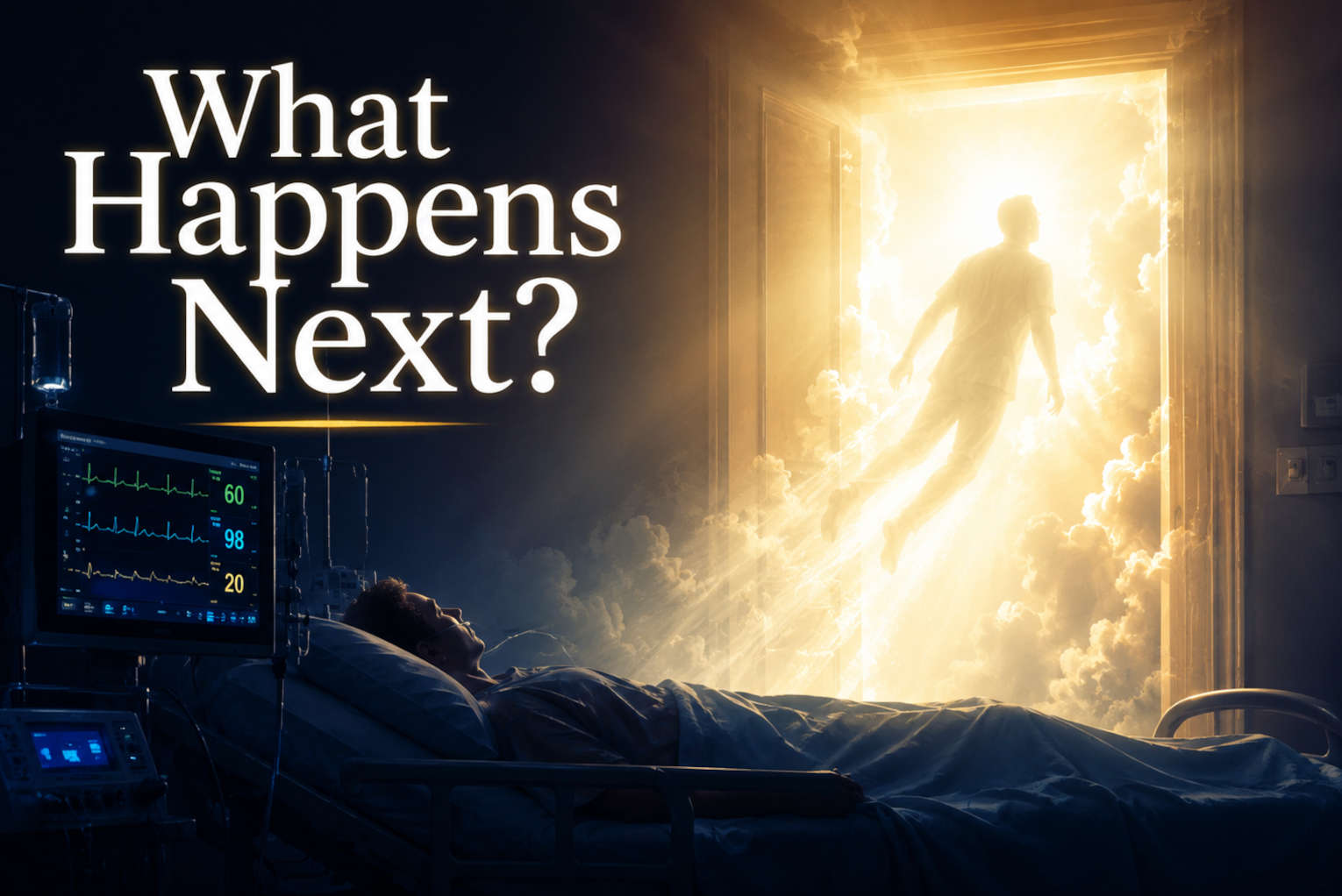


Millions of people around the world have reported near-death experiences, describing remarkably similar encounters that have fascinated doctors, researchers and us for decades.
A new psychological theory attempts to explain those experiences as the product of a dying brain. While the research offers insight into what may be happening physically during humanity’s final moments, we also know from Scripture that death is both a physical and a spiritual event.
According to a report from Vice, about 10% of people across 35 countries say they have experienced a near-death experience, citing research published in PeerJ. Common accounts include leaving the body, moving toward a brilliant light, encountering deceased loved ones, experiencing overwhelming peace and returning to life.
Researchers continue finding that the brain remains active as death approaches.
“Dying, from a neurological standpoint, isn’t like flipping a light switch,” the article states. Studies have found “the brain producing a sudden surge in gamma waves—its highest-frequency output, associated with peak conscious processing and perception.”
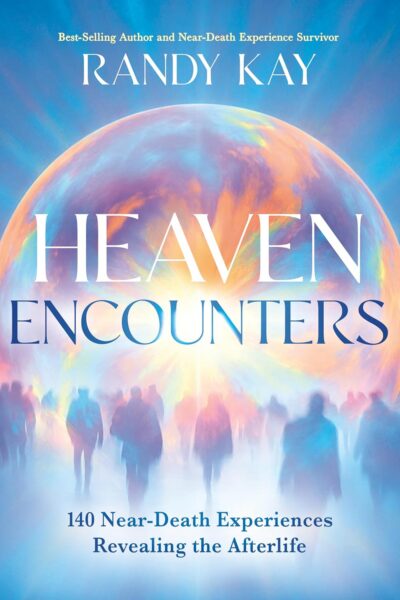
Order Randy Kay’s New Book, “Heaven Encounters” on Amazon.com!
The emotional side of these experiences is equally striking.
“The emotional picture that emerges from NDE accounts is mostly positive,” the article says. While about 14% of reported experiences include distressing elements, most describe profound peace, love and understanding.
A paper published in Frontiers in Psychology proposes what researcher Kayış calls the “dying-moment dream hypothesis.”
According to the theory, as oxygen deprivation limits outside sensory input, “the brain stops receiving input from the outside world; it turns inward, flooding consciousness with memories and emotions drawn from the person’s own life.”
The hypothesis also suggests that the emotional tone of an experience is shaped by a person’s life history and that cultural background may influence how people interpret what they see.
Researchers acknowledge that those ideas remain speculative.
A Call for Biblical Discernment
We should, of course, approach near-death experiences with both humility and discernment.
Author Randy Kay, who was clinically dead for more than 30 minutes before encountering Jesus, has spent years studying near-death experiences through the lens of Scripture. He encourages us to neither dismiss every account nor accept every testimony without testing it against God’s Word.
Kay has warned that many modern near-death accounts promote ideas that contradict Scripture. Instead, he says genuine encounters should glorify Jesus Christ and point people to the Gospel.
“It is not a collection of feel-good stories about tunnels and white light,” Kay wrote of his research, explaining that the accounts were examined for biblical consistency and supported by evidence.
Kay argues authentic experiences should:
- Glorify Jesus Christ.
- Agree with Scripture.
- Call people to repentance.
- Strengthen faith in the Gospel rather than curiosity about the supernatural.
The Physical and the Spiritual
Scientific research can help explain what the brain is doing as the body dies. Scripture reveals what happens beyond physical death.
Paul wrote, “We are confident, I say, and willing rather to be absent from the body and to be present with the Lord” (2 Cor. 5:8).
Hebrews 9:27 declares, “And as it is appointed for men to die once, but after this the judgment.”
There is no reason for us to fear legitimate scientific research. Every discovery about the human brain reveals more of the incredible design God built into His creation. At the same time, we should never confuse a physical explanation with a complete explanation.
Science can tell us what may be happening in the brain as life comes to an end. It cannot determine the eternal destiny of the soul.
Near-death experiences remain one of the most fascinating intersections of medicine, consciousness and faith. As we continue to learn more about the physical and mental processes surrounding death, let us also remain anchored in God’s Word, which gives us confidence that because Jesus Christ conquered death through His resurrection, all who place their faith in Him have the sure hope of everlasting life.
James Lasher, a seasoned writer and editor at Charisma Media, combines faith and storytelling with a journalism background from Otterbein University and ministry experience in Guatemala and at the LA Dream Center. A Marine Corps and Air Force veteran, he is the author of The Revelation of Jesus: A Common Man’s Commentary and a contributor to Charisma magazine. For interviews and media inquiries, please contact [email protected].