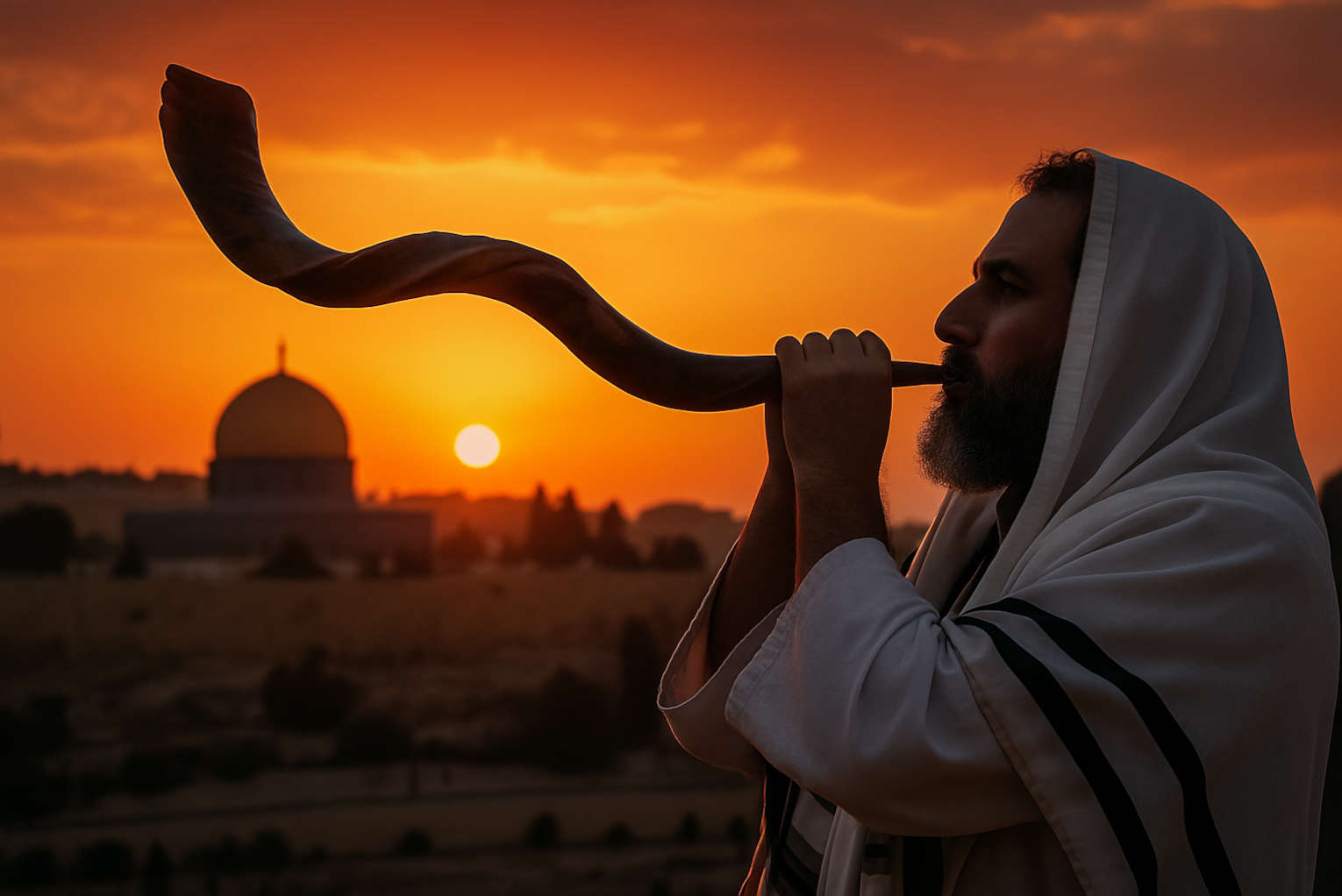

For the Jewish people, few sounds carry as much weight as the blast of the shofar. When the ram’s horn was sounded on the Temple Mount, it was more than just a note of tradition: it was a moment filled with history, longing and deep biblical meaning. For millennia, the shofar has symbolized God’s kingship, repentance and the hope for redemption.
Breaking News. Spirit-Filled Stories. Subscribe to Charisma on YouTube now!
Christians looking on should recognize that this moment is profoundly significant for the Jewish people. While we believe the ultimate fulfillment of God’s promises is found in Jesus Christ, the shofar still speaks to the covenant God made with Israel and the prophetic future we read about in Scripture.
The Roots of the Tradition
The Temple Institute recently highlighted on Facebook the ancient reasons why the shofar is blown, drawing from the teachings of Saadia Gaon, a rabbi from the 10th century. His list of 10 explanations provides insight into why the shofar has remained such a powerful part of Jewish worship, especially around Rosh Hashanah and the Days of Awe leading up to Yom Kippur.
Here’s a closer look at what those 10 reasons are and what they mean:
1. Recognizing God as King
The shofar is sounded the way trumpets once were at the crowning of earthly kings. On Rosh Hashanah, the Jewish people proclaim God as Creator and King of the universe.
2. A Call to Repentance
Its blast begins the 10 Days of Repentance, a season when people are reminded that, by turning from sin, their future can be reshaped.
3. Remembering Mount Sinai
The horn recalls the thunderous sound that accompanied the giving of the Law at Sinai. It serves as a reminder that God’s standards are not man-made but divine.
4. The Prophetic Call
Just as prophets called Israel to turn from sin, the shofar echoes their warnings and their hope that God seeks to refine, not simply to punish.
5. Longing for the Temple
The sound also stirs prayer for the rebuilding of the Temple, where trumpets and shofars once accompanied worship and God’s presence was uniquely revealed.
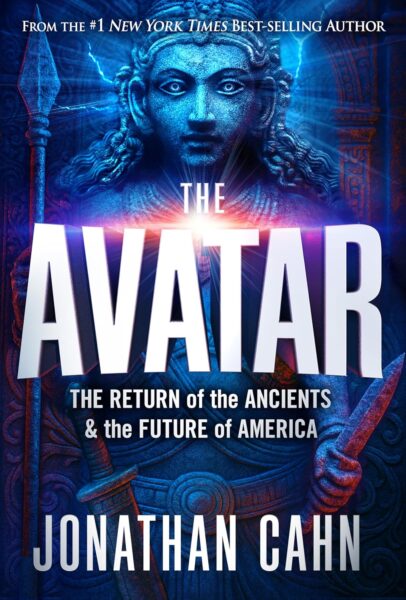
Pre-order Jonathan Cahn’s Newest Book, “The Avatar” on Amazon.com!
6. The Faith of Abraham
Using a ram’s horn ties back to Abraham’s willingness to offer Isaac. Instead, God provided a ram, showing His covenant love.
7. Stirring Awe of God
The piercing note is meant to jolt the heart, first with fear of judgment, then with reverence for God Himself.
8. Anticipating the Day of Judgment
The shofar points forward to a time when God will bring justice to the world, inspiring hope for a restored creation and the coming Messianic age.
9. The Ingathering of Israel
It symbolizes the promised day when the scattered people of Israel will be brought back to their land in unity and strength.
10. Resurrection of the Dead
Finally, the horn reminds hearers of the future resurrection, when even death will be overturned by God’s power.
The Christian Connection
As #1 New York Times best-selling author Jonathan Cahn describes in his new book The Avatar, “I held up a shofar, the ancient biblical trumpet, the ram’s horn, before the multitude….I explained that the sound of the trumpet was the sound of freedom and a representation of the power of God.”
For believers in Jesus, these blasts are not just part of Jewish tradition, they resonate with the hope we hold in Christ. Paul himself wrote that at “the last trumpet…the dead will be raised incorruptible, and we shall be changed” (1 Cor. 15:52).
Join Charisma Magazine Online to follow everything the Holy Spirit is doing around the world!
The blast of the shofar on the Temple Mount is a living sign of God’s ongoing plan for His people. It is both a reminder of God’s covenant faithfulness and a foreshadowing of the day when the trumpet of God will announce the return of Christ.
James Lasher is staff writer for Charisma Media.