
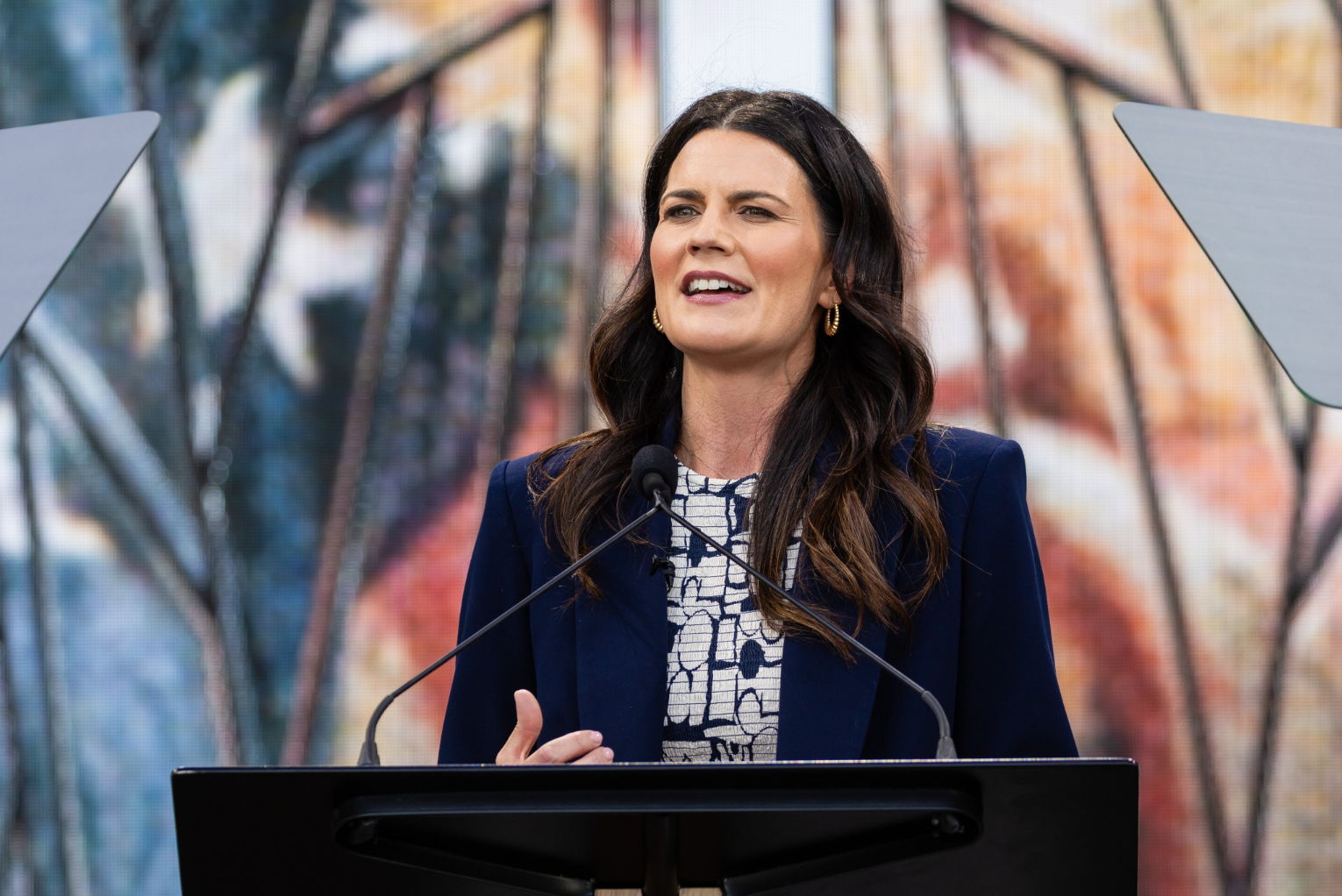
Cissie Graham Lynch, President Donald Trump’s nominee for U.S. ambassador-at-large for international religious freedom, told the Senate Foreign Relations Committee she would protect people of all faiths if confirmed.
Lynch, the granddaughter of the late evangelist Billy Graham, appeared before the committee for a confirmation hearing Tuesday, one of several Trump nominees for diplomatic posts the panel questioned that day. In her opening statement, she described “sitting with mothers who’ve lost sons and daughters to persecution, listening to pastors who’ve rebuilt their congregations after their churches have been burned and meeting with families driven from their homes because of their beliefs.” She said she had visited “mass graveyards in northern Iraq” and met with “family members of the 21 Coptic Christians who have been beheaded by [the Islamic State] on the shores of Libya,” adding, “I will carry their stories with me into this role.”
Budd’s introduction and the committee math
Sen. Ted Budd (R-NC) introduced Lynch as someone “guided by her deep commitment to faith and service instilled in her by her father Franklin Graham and grandfather Billy Graham.” He said she has “become a leading global advocate for protecting the rights of women and children and strengthening marriages and defending the family as a cornerstone of society,” and called her “an unwavering voice for the voiceless and a steadfast defender of those persecuted simply for practicing and professing the faith.” The Foreign Relations Committee has 12 Republicans and 10 Democrats, meaning Lynch’s nomination can clear the panel on Republican votes alone before heading to a full Senate that seats 53 Republicans and 47 Democrats.
Kaine’s questions on LGBT protections
Sen. Tim Kaine (D-VA) asked Lynch how she would “work to protect… LGBTQ folks from persecution,” and pressed her on her past statements that “LGBTQ protection laws endanger Christian religious freedom.” Kaine said her prior remarks “made me wonder whether they will be able to see you as someone who will protect them equally to others.”
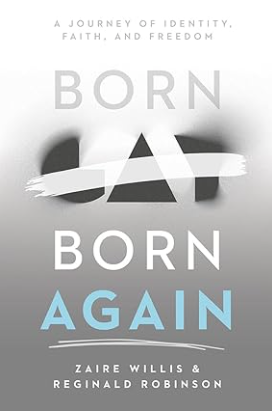
To order Zaire Willis and Reginald Robinson’s new book, Born Gay Born Again, visit Amazon.com.
Lynch responded that it would be her “responsibility to protect people of all faiths,” and said she doesn’t believe “anyone should ever be criminalized or persecuted for their personal beliefs.”
“It would be my responsibility to protect people of all faiths.”
Asked to elaborate on her belief that “LGBT protection laws threaten Christian religious freedom,” Lynch pointed to laws that prohibit discrimination on the basis of sexual orientation and gender identity, recalled that “Many of those cases have reached up to the U.S. Supreme Court,” and cited the case of Jack Phillips, a Christian baker who found himself in court for refusing to bake a cake for a same-sex wedding because of his religious beliefs on marriage, as an example. She also told Kaine she “would never be able to support something [such as a Ugandan law] where it’s criminalizing people… for their sexual identity, for their sexual preference.” She added, “People are dying. People are being persecuted. People are put into jail. There’s 80 countries with blasphemy laws.”
What Lynch says the job is for
Lynch said religious freedom abroad is an area where people “can find common ground,” adding, “I’ve learned that through my years of working when I work in the countries with people I often don’t have the same beliefs, but we come together.” She said her priority if confirmed would be to “find that common ground to help people on a bipartisan mission.”
The ambassador post has remained vacant through nearly two years of Trump’s second term after his earlier nominee, former Rep. Mark Walker, R-N.C. was not confirmed before the end of 2025 and his nomination died. The position, created by the International Religious Freedom Act of 1998, advises the president and secretary of state on religious freedom abroad.
This article originally appeared on American Faith and is reposted with permission.
