
Cracker Barrel’s shareholders delivered a clear verdict this week: the company’s DEI-tinged rebrand and cultural drift were rejected outright.
At the annual meeting, shareholders elected nine of 10 board nominees, including CEO Julie Felss Masino. Immediately after the vote, independent director Gilbert Dávila — whose background in DEI and multicultural marketing had drawn growing criticism — resigned. The board thanked him for “five years of service,” but the message from investors and customers was unmistakable.
Breaking News. Spirit-Filled Stories. Subscribe to Charisma on YouTube now!
The resignation followed a heated proxy fight launched by activist investor Sardar Biglari, who said his campaign was “about saving Cracker Barrel from a board and management team that are out of touch with Cracker Barrel’s customer base.” He accused leadership of failed acquisitions, hiring the wrong CEO, and approving a “Strategic Transformation Plan” that led to “market ridicule.”
Proxy firms ISS and Glass Lewis had already urged shareholders to vote against Dávila. They did.
The backlash grew far beyond corporate governance.
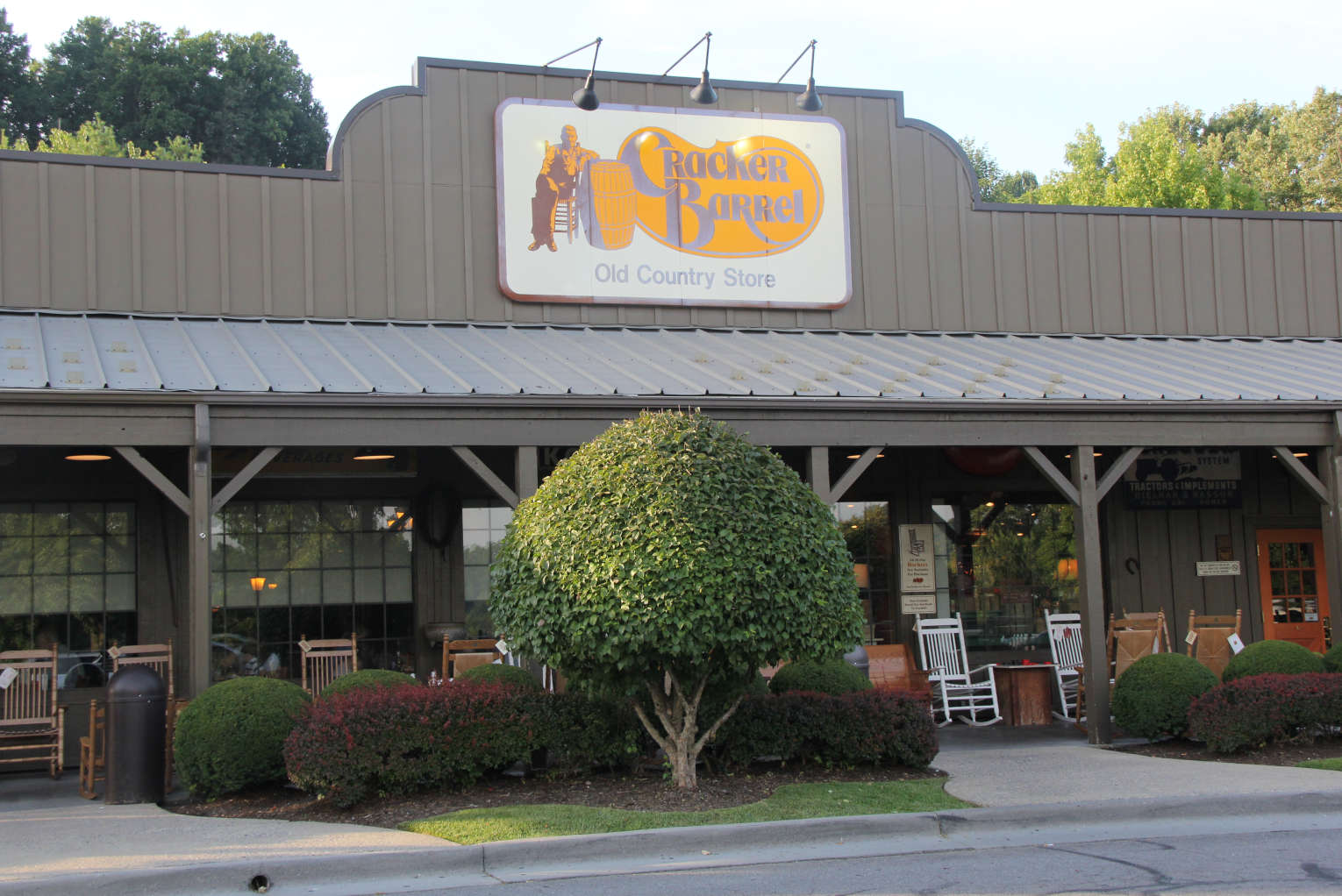
In summer 2025, Cracker Barrel rolled out a minimalist logo and a sterile remodel that stripped away the iconic Old Timer, the barrel, and the warm Americana aesthetic. Customers saw it as a cultural abandonment. Glenn Beck said it felt like one of “the biggest, dumbest moves” he had seen from a corporation.
In her first major interview since a widely panned TV appearance, Beck pressed Masino directly: “Were you surprised you weren’t fired?”
Masino didn’t flinch: “I feel like I’ve been fired by America.”
She acknowledged the company “messed up” and insisted the intent “was not ideological.” She said executives failed to grasp that customers “see themselves in the logo,” and when those symbols disappeared, people felt Cracker Barrel no longer valued what they valued.
Beck pushed further, asking if the company had embraced “DEI and all that…” Masino rejected the idea that Cracker Barrel was making political statements: “We’re not trying to make political statements… No, it’s pancakes. Not even one time.”
But for many Americans, the pattern was familiar. Legacy brands have repeatedly used DEI to justify abandoning loyal customers in favor of trendier cultural credentials, Cracker Barrel’s shift — intentional or not — looked like the same script.
After the shareholder revolt, the company said it is “more focused than ever on delivering high-quality food and experiences… while staying true to the heritage that makes Cracker Barrel so special.” The board also accused Biglari of waging a “costly and distracting” campaign, but the public response made the larger point: the brand’s identity belongs to its customers, not to consultants.
Join Charisma Magazine Online to follow everything the Holy Spirit is doing around the world!
Dávila’s departure marks more than a boardroom shakeup. It signals a national exhaustion with DEI — a framework that replaces merit with ideology and divides people under the false banner of “inclusion.” Americans recognize it as un-American and corrosive. They are rejecting it, loudly and repeatedly.
Cracker Barrel heard that message. And we pray DEI never regains its foothold in American culture again.
James Lasher, a seasoned writer and editor at Charisma Media, combines faith and storytelling with a background in journalism from Otterbein University and ministry experience in Guatemala and the LA Dream Center. A Marine Corps and Air Force veteran, he is the author of The Revelation of Jesus: A Common Man’s Commentary and a contributor to Charisma magazine.