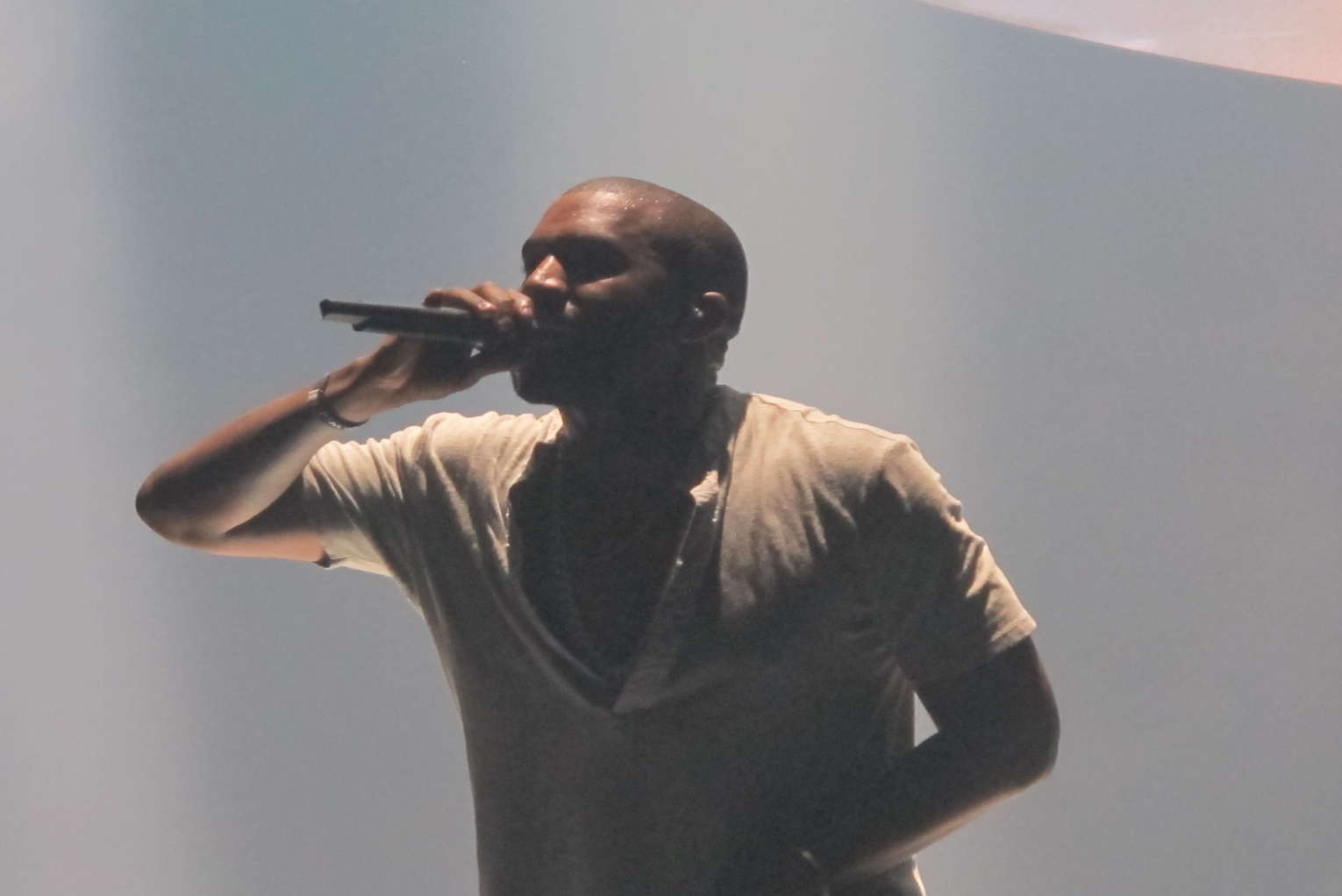

Ye, the artist formerly known as Kanye West, has issued a public apology for his past remarks targeting Jewish people, attributing his behavior to a previously undiagnosed brain injury and years of untreated mental health struggles.
In a paid advertisement published in the Wall Street Journal, Ye detailed the lasting impact of a 2002 car accident that fractured his jaw and damaged the right frontal lobe of his brain.
“Twenty-five years ago, I was in a car accident that broke my jaw and caused injury to the right frontal lobe of my brain,” he wrote. “At the time, the focus was on the visible damage, the fracture, the swelling, and the immediate physical trauma. The deeper injury, the one inside my skull, went unnoticed.”
Ye said the possibility of a frontal-lobe injury was never raised following the crash and remained undiscovered until 2023.
“That medical oversight caused serious damage to my mental health and led to my bipolar type-1 diagnosis,” he wrote.
According to Ye, years of untreated illness contributed to manic episodes marked by reckless behavior and destructive decision-making. He acknowledged that those episodes culminated in his embrace of antisemitic symbols and messaging.
“In that fractured state, I gravitated toward the most destructive symbol I could find, the swastika, and even sold T-shirts bearing it,” he wrote.

Order Lana Savchuk’s New Book, “Change Your Mind” on Amazon.com!
Ye rejected those beliefs outright, stating, “I am not a Nazi or an antisemite. I love Jewish people.”
He closed his statement by distancing himself from any expectation of leniency. “I’m not asking for sympathy, or a free pass, though I aspire to earn your forgiveness,” he wrote.
The apology represents a sharp departure from Ye’s public posture in 2022. During an interview on NewsNation’s Cuomo, Ye rejected the concept of antisemitism altogether and compared the music industry to “modern-day slavery.” He also resisted the idea that his conduct stemmed from mental illness, saying, “I don’t get a clean platform to tell my truth without being subtly called crazy.”
Ye’s physical injuries and mental health diagnoses are real and significant. They help explain instability and impaired judgment. They do not, however, fully explain the specific targeting of the Jewish people.
Scripture makes clear that antisemitism is not random and is not merely ideological or cultural. It is spiritual. From Genesis 3:15, where God declares enmity between the serpent and the woman, a conflict unfolds across redemptive history. That enmity centers on Israel because Israel is the vessel through which the Messiah came and through which God’s covenant promises continue to stand.
That reality is made explicit in Revelation 12, where the dragon, identified as Satan, wages war against the woman who gives birth to the male child. The woman represents Israel. The dragon’s fury toward her reveals an ongoing spiritual campaign to destroy the Jewish people and oppose God’s purposes. Every modern manifestation of antisemitism fits within that biblical framework.
Ye’s decades-long immersion in the rap industry, Hollywood excess, celebrity culture, the Kardashian lifestyle and global elite power structures has steadily eroded spiritual grounding and moral clarity. These environments normalize pride, exploitation and rebellion against God. Over time, that erosion leaves individuals vulnerable to deception and spiritual oppression.
When hostility turns toward the Jewish people, Scripture identifies the source. This is not simply a personal breakdown or a social grievance. It is a spiritual attack aligned with a long-standing biblical pattern.
Ye’s apology matters, but repentance has the power to do what no statement ever could: fully restore a life turned toward God.
True restoration requires repentance that goes beyond public statements and explanations. It requires turning away from deception and turning toward truth. It requires submission to the Lord Jesus Christ, who alone brings healing to both mind and soul.
The proper response now is prayer. Pray that Ye is fully delivered from deception. Pray that his repentance is genuine and enduring. Pray that he encounters the Lord, receives forgiveness and is restored in truth, humility and obedience to God.
James Lasher, a seasoned writer and editor at Charisma Media, combines faith and storytelling with a background in journalism from Otterbein University and ministry experience in Guatemala and the LA Dream Center. A Marine Corps and Air Force veteran, he is the author of The Revelation of Jesus: A Common Man’s Commentary and a contributor to Charisma magazine.