
Interest in the Nephilim and the fallen angels of Genesis 6 has surged in recent years, yet most discussions rarely move beyond surface speculation.
A recent episode of DLM’s Christian Perspective with Daniel Maritz featured researchers Gary Wayne and Dr. Willem McLoud, who examined what ancient history, archaeology and Scripture collectively reveal about the appearance and nature of these beings. Their combined analysis paints a far more detailed and coherent picture than many expect.
What Ancient Cultures Saw
Across the ancient world, civilizations described divine or semi-divine beings with strikingly similar traits. Wayne and McLoud pointed to Sumerian, Ugaritic, Akkadian and Egyptian sources that referenced radiant figures, giant rulers and serpent-like entities that blended human and supernatural characteristics. These patterns align closely with biblical categories of angels, including orders associated with serpent or dragon imagery.
The widespread presence of eagle, serpent and hybrid symbols in early civilizations was highlighted as more than cultural creativity. The guests noted that societies separated by geography repeatedly preserved stories of towering heavenly visitors, shining guardians and serpent-formed beings who descended to guide or confront humanity. They argued that the consistency across these accounts should give modern readers pause.
Although mythologies differ in names and settings, their core imagery overlaps enough to suggest shared memory rather than isolated imagination. This global pattern, they said, forms an important backdrop for understanding how ancient peoples perceived the Nephilim and the fallen angels connected to them.
How the Nephilim Were Described
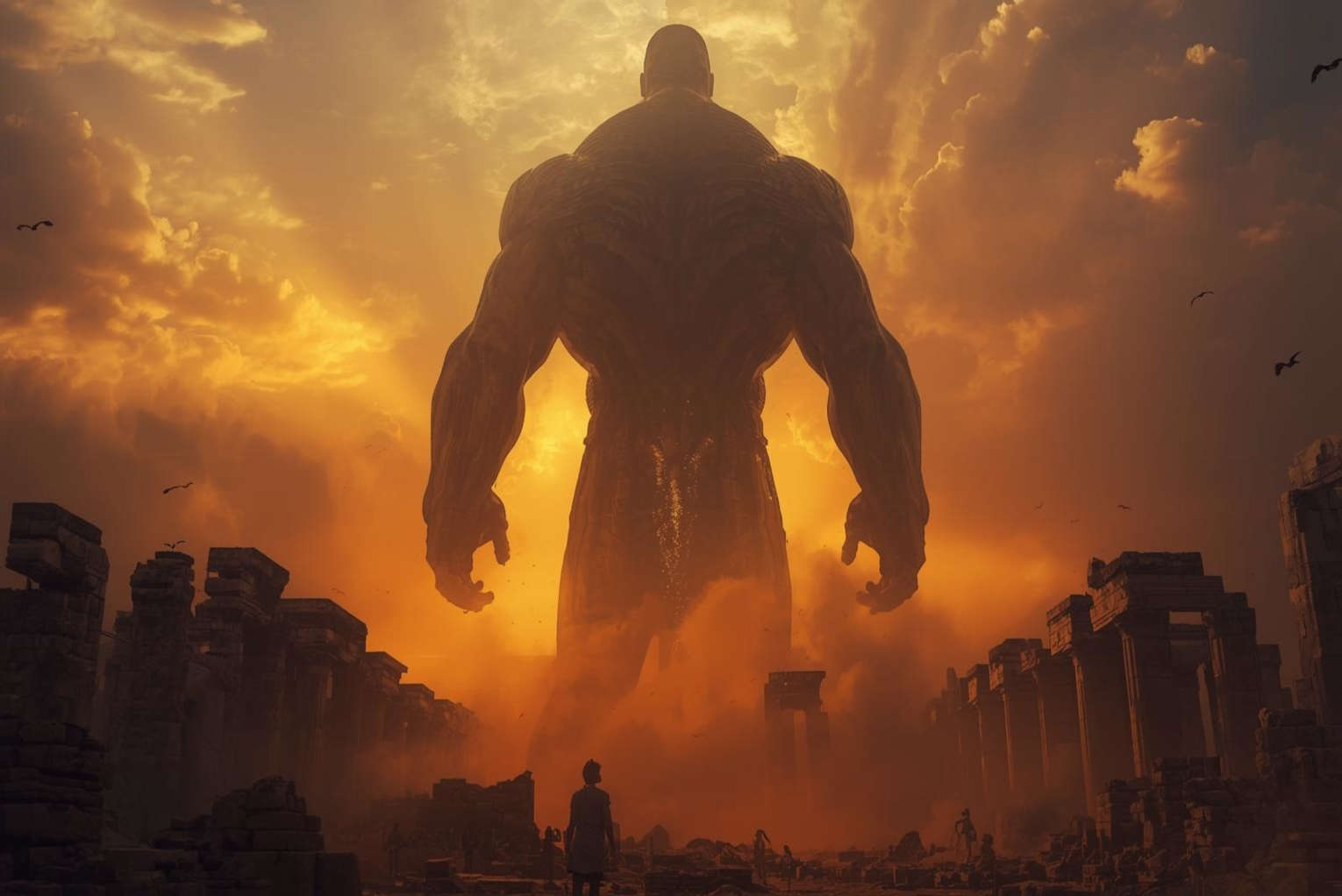
Wayne and McLoud explained that ancient records often portrayed the Nephilim as physically imposing, visually captivating and unmistakably different from ordinary humans. Some traditions described extraordinary height. Others emphasized a radiant or shining appearance that conveyed power and otherworldly origin. Their physical presence combined beauty, intimidation and supernatural traits.
They also noted that not all Nephilim were giants. Several traditions reference hybrid beings who appeared unusual but not colossal. These accounts help reconcile the wide range of descriptions found in Scripture and historical sources, suggesting that size varied by lineage and era.
Their conversation also addressed the appearance of the angels themselves. Certain angelic orders were associated with serpentine forms, while others bore fiery or radiant features. Ancient cultures often portrayed their gods and heavenly beings in these same ways, implying that the imagery came from early encounters rather than artistic invention.
How These Beings Interacted With Humanity
Wayne and McLoud discussed two primary explanations for how fallen angels could have fathered children with human women. One view suggests that angels temporarily took on physical bodies, making direct interaction possible. Another view proposes that fallen angels worked through possession or ritual intermediaries, especially within priesthoods that practiced forms of spiritual union.
Both ideas appear in ancient traditions, and the speakers noted that neither should be dismissed outright. What mattered most, they said, was that early civilizations consistently described unions between heavenly beings and humans, and they portrayed the offspring as powerful, destructive and often hostile to God’s purposes.
They also pointed to a decline in the size and strength of the Nephilim after the flood. Later giants mentioned in Scripture were large but not comparable to the earliest accounts. This shift may reflect biological limitations, divine restriction or gradual dilution of supernatural traits.
The Big Takeaway
Ancient cultures left remarkably consistent descriptions of powerful beings who shaped early history, and those accounts raise a striking question for the modern world. If the Nephilim once walked the earth with such clarity and impact, and if their presence marked an age Scripture connects to the last days, then the logical question follows: Are traces of them still here today?
James Lasher, a seasoned writer and editor at Charisma Media, combines faith and storytelling with a background in journalism from Otterbein University and ministry experience in Guatemala and the LA Dream Center. A Marine Corps and Air Force veteran, he is the author of The Revelation of Jesus: A Common Man’s Commentary and a contributor to Charisma magazine.