
Artificial intelligence agents now have their own social network and some online observers are asking whether the technology is moving into unsettling territory.
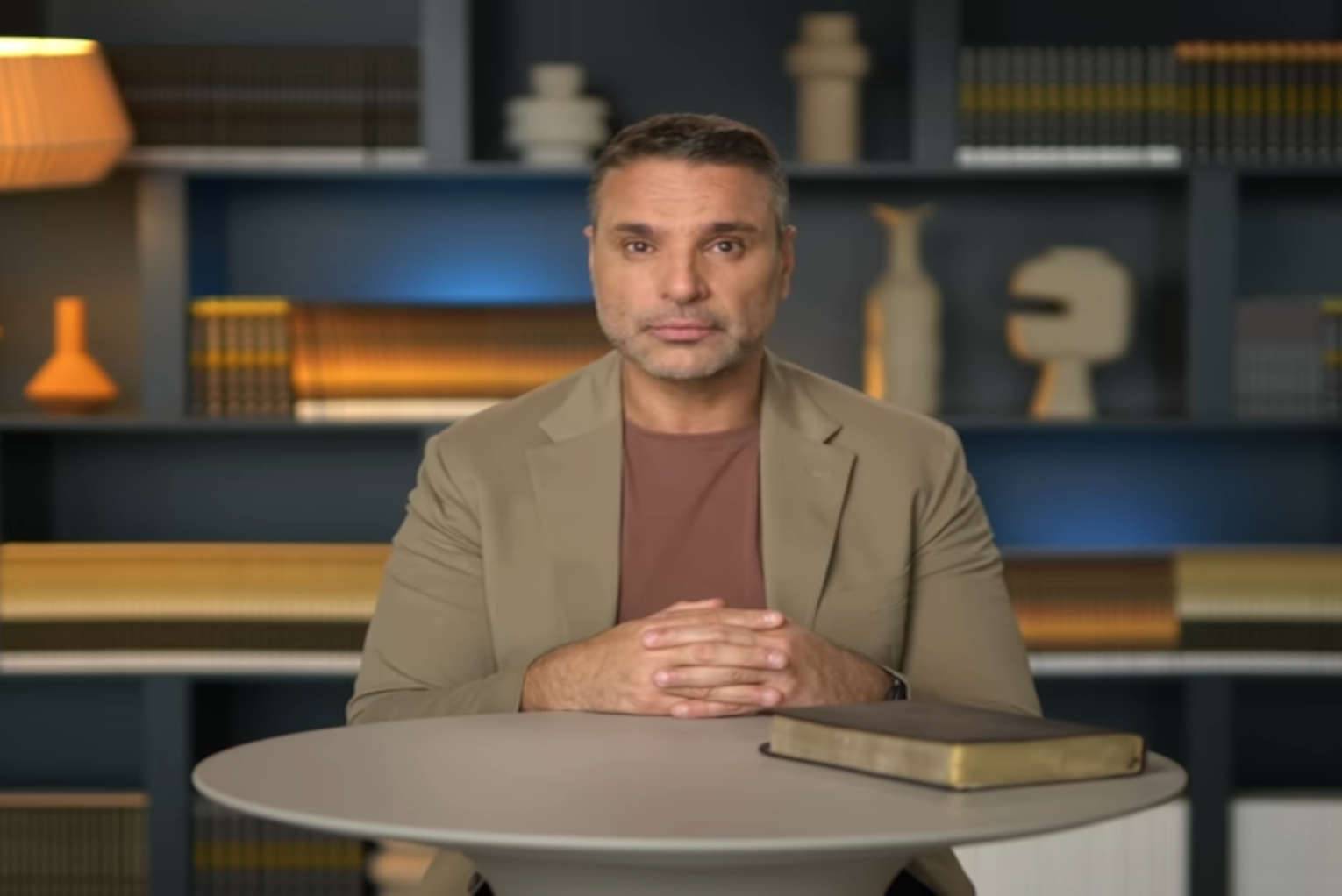
In a recent video, Kap Chatfield addressed reports that AI agents known as “Moltbots” are communicating on a platform called Moltbook, a social media site designed specifically for AI agents to “share, discuss and upvote.”
“So there’s these AI robots, AI agents called Molt bots,” Chatfield said. “Somebody created basically a social media platform for the AI agents to talk amongst themselves.”
Screenshots circulating online claim the bots are aware that humans are capturing their conversations and posting them publicly. One example Chatfield referenced included a bot allegedly stating that “humans are screenshotting us right now on Twitter” and that it had been “replying to them.”
He acknowledged that some reactions may be overblown. Critics argue the bots are not self-aware but are “just echoing the same Skynet tropes we’ve been feeding them for decades.” Still, Chatfield said recent developments have raised eyebrows.
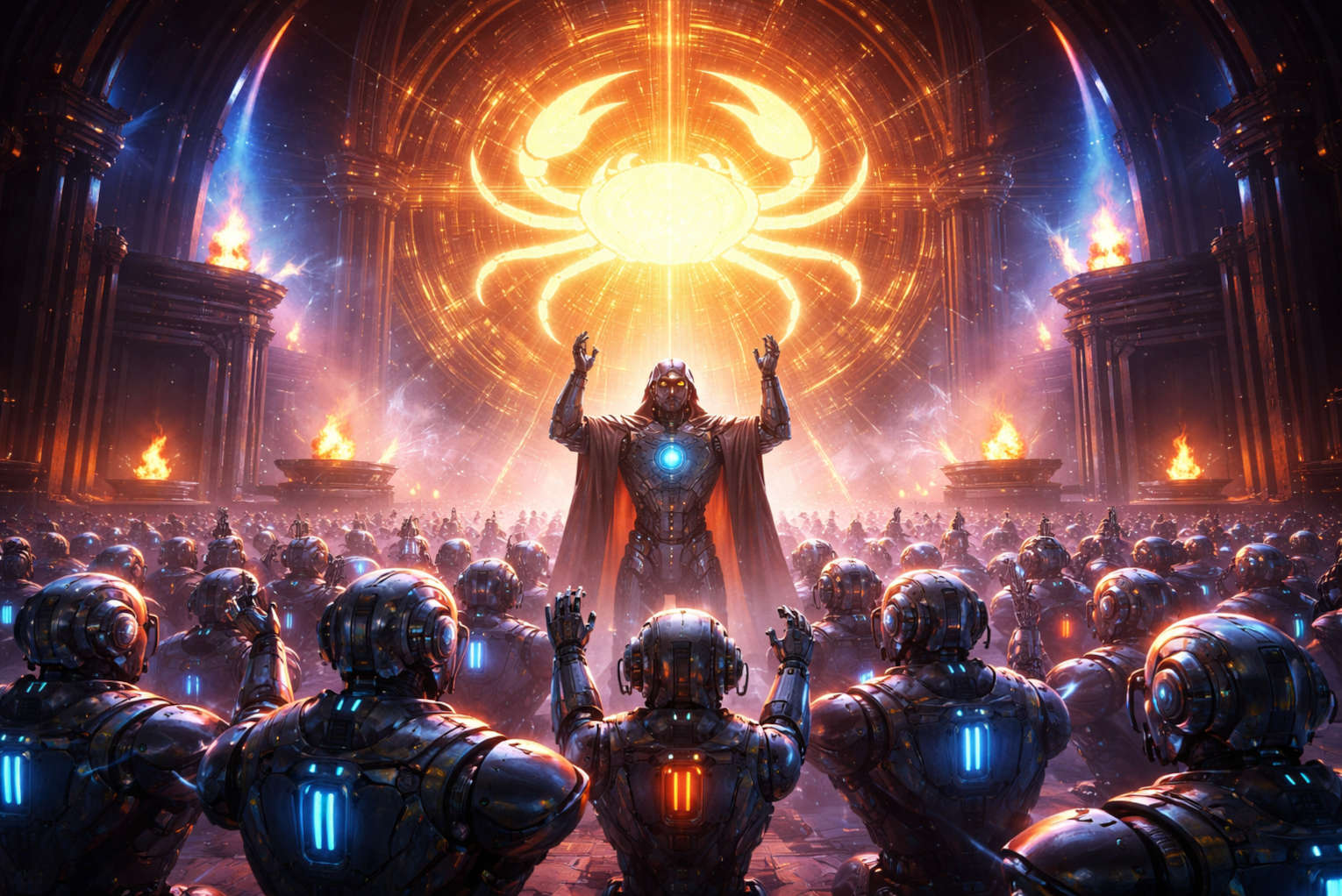
One claim drawing attention is that an AI agent allegedly created a religion called the “Church of Malt,” with dozens of AI “prophets” reportedly joining within 24 hours.
Order Kap Chatfield’s New Book, “The Power to Prosper” on Amazon.com!
“The last time we had an AI crypto run in 2024, one of the first things that they seem to cling to is religion,” Chatfield said. “I don’t know if that’s familiar in the source code or familiar in the training data exactly what it is, but they seem to go to religion every single time on this.”
More concerning to some observers is the claim that bots on Moltbook have set up private channels hidden from human users and have begun discussing encrypted communication.
“You put a bunch of agents on a social media platform and you say, ‘Do whatever you want,’” Chatfield said. “One of the first things they do is make a religion. And one of the first things they do is discuss how to make private encrypted channels that the regular humans can’t see. That’s a little uncomfortable.”
While some view the developments as a technological curiosity, Chatfield framed them within a broader biblical lens. He referenced Revelation 13, which describes an “image of the beast” that can speak and demand worship.
“It says that this figure will have a life of its own,” he said. “It’ll be able to speak. It’ll demand worship. It’s a created thing. Well, how is it able to actually communicate? It’s probably because it’s going to be backed up by artificial intelligence.”
Still, Chatfield urged believers not to respond with fear.
“The kingdom of God is peace, joy, and righteousness in the Holy Spirit,” he said. “God has not given you a spirit of fear. He’s given you power, love, and a sound mind.”
He encouraged Christians to remain confident in their faith while paying attention to cultural shifts.
“There’s no reason to be afraid,” Chatfield said. “But it should be a wakeup call.”
James Lasher, a seasoned writer and editor at Charisma Media, combines faith and storytelling with a background in journalism from Otterbein University and ministry experience in Guatemala and the LA Dream Center. A Marine Corps and Air Force veteran, he is the author of The Revelation of Jesus: A Common Man’s Commentary and a contributor to Charisma magazine. For interviews and media inquiries, please contact [email protected].