

[responsivevoice_button voice=”US English Male” buttontext=”Listen to this Feature” buttoncolor:”blue”]
In Revelation 3 the risen Lord exhorts Sardis, Philadelphia and Laodicea, exposing spiritual deadness, commending steadfast faith and rebuking lukewarm complacency, urging each to repent and walk in the fullness of His kingdom.
Sardis: The Dead Church
Revelation 3 begins with a reminder that the dead church of Sardis should never forget: Jesus holds them in the palm of His hand. He is God, and He sent the Holy Spirit to them as a helper, the One who empowers the elect. They must utilize the power of the Holy Spirit to stay alive and serve Him; otherwise, they would fail in spreading an effective gospel and defeating the spiritual enemy. Without the Holy Spirit they’d have no bite, no power.
Christ must be taken more seriously by this church, and let me tell you, the absolute same is true for the American church.
Cessationism is poison to the American church and deadens those who are caught in its grip. You can have the best Bible teacher in the world, but if they do not have the power of the Holy Spirit, they will not change the world around them. We are seeing this as denomination after denomination falls by the wayside, and the church members in them, while many are good people, are not growing the kingdom of God.
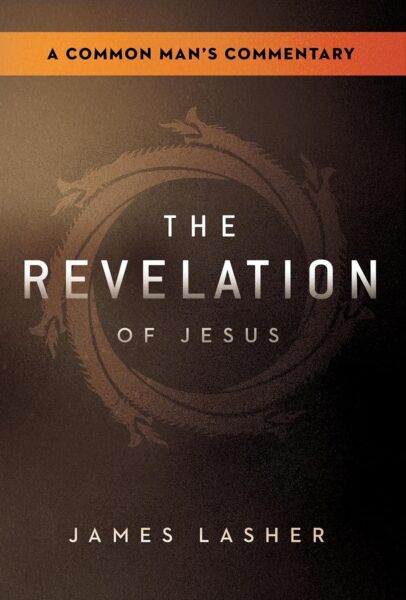
Pre-order James Lasher’s Newest Book, The Revelation of Jesus on Amazon.com!
But not those who are filled with the Holy Spirit.1 No, as a matter of fact those congregations are growing because people are seeing and experiencing the manifest presence of the Holy Spirit.
People are experiencing transformation, lives abundant with the power of the Holy Spirit behind them, and this is the exact opposite of a dead church. It is a church that wants more and more of Jesus and the outpouring of the Spirit, so they do what the Bible commands them to do: They fast in prayer and supplication; they engage the world around them in ministry with the love of Jesus leading the way; they engage in the gifts of the Spirit and verify them against the Scriptures (including weeding out the false messengers who seek to make a quick buck at the expense of the name of Jesus). They actually grow the kingdom; they are alive!
There are certainly churches like this across America and the world. But there must be more. Sadly, many are unwilling to resuscitate their dead churches, as they are caught up in the spirit of religion and haughtiness and refuse to take an introspective look into their own hearts and seek the changes the Lord wants to implement in their lives.
This is not always an easy process, to be sure. It is a humbling experience that often brings with it growing pains, tears and a massive shot to our pride. Yet it is always worth it because we grow deeper and deeper into our relationship with God.
That is what Jesus is calling the dead churches of Sardis to do: to remove these dead practices and ceremonies and repent (Rev. 3:3). Then, they must strengthen themselves in the Holy Spirit so they can not only endure the world but overcome it! This means they cannot tolerate the worldly practices and ways that deaden them spiritually, for the love of the world (and themselves and their ideologies) leads only to death and spiritual impotence. A true, Spirit-filled, alive-in-Christ-Jesus church must prepare for discomfort, as the world will take notice of them, and the enemy will then target them in spiritual warfare.
How long have people been arguing over the premise of losing salvation, also known as the “once saved, always saved” argument? Far too often, spiritually immature people will say, “I repented and accepted Jesus,” but then fail to change anything about themselves or their lifestyles.
But just look at the rewards Jesus promises the church at Sardis for its repentance! They are the Lord’s righteousness and the certainty that their names will be written in the Lamb’s Book of Life. With their robes they become new beings and pure as virgins as a part of the bride, and Jesus is their Bridegroom.
When God’s ultimate judgment is passed, Jesus will read their names aloud for God and all heaven to hear. Their eternal life is assured, so says the King of kings.
Philadelphia: The Faithful Church
Next, Jesus addresses the church at Philadelphia, a city and church that lived up to its name’s meaning of love. This is the church that was the bride of Christ. These were the worshippers who, while imperfect, sought to grow in Christ daily, picked up their crosses, and strove to answer the call of the Great Commission.
We see elements of this church in our world today, but not nearly as much as we should. We see it in those who serve and seek no reward for themselves; they simply serve out of love and obedience to Jesus’ commands. We see it in those who give faithfully, as Christians are to do, according to the Word of God. We see it in the churches that are empowered by the Holy Spirit and are changing their communities while growing the kingdom of God.
The description Christ gives to the church demonstrates His righteousness in all things, for He is holy as God is holy: “To the angel of the church in Philadelphia write: ‘He who is holy, He who is true, He who has the key of David, He who opens and no one shuts, and shuts and no one opens, says these things: I know your works. Look! I have set before you an open door, and no one can shut it. For you have a little strength, and have kept My word, and have not denied My name’,” (Rev. 3:7-8).
When we read Jesus’ opening words to the church, He exudes authority as the One who holds the key of David. He opens the door that no one can shut, and in turn He opens the door for His church to walk through as well. It is a door that the forces of hell have been unable to shut since Christ’s victory over sin and death on the cross through His spilled, innocent blood and His resurrection three days later.
Jesus, the Seed of David who holds the key of David, possesses ultimate authority to command both the churches and the spiritual realms to which He speaks. With this authority, He alone determines which doors remain open for His church and which are shut, ensuring His sovereign will prevails.
The door leads to their blessing for keeping their faith. The faithful church must continue forward and walk through the door, but no one can close it (or take their salvation away). They have the strength, according to Jesus, to cross the threshold.
We also see another reference to a group of Jews (certainly not all Jewish people, of course; this is not an anti-Semitic diatribe) who were anti-Christian. They were holding to the tenets of Satan as opposed to the God of the patriarchs. They would reap what they sowed for attacking the Messiah’s followers, whom He loves (v. 9). What an amazing thing, to have the Messiah include in God’s Word that He specifically loves you, for all who read it to see!
Sadly, many use this verse and others in the Bible to attack God’s chosen people, which is a folly of monumental proportions. The Abrahamic covenant (Gen. 12:1–3) is still in place and will be for as long as the current era lasts. There are many, many verses throughout the Old and New Testaments that demonstrate God’s love for His people, before and after Jesus’ victory on the cross.
For these faithful believers, however, He offers the reassurance of protection from what is to come (Rev. 3:10). He has this authority. No amount of persecution would turn this Philadelphia church, and we are beginning to see the worldwide spread of Christian persecution before our very eyes.
Christians in Nigeria are murdered by the thousands, and the United Nations remains silent. Pastors in Canada are arrested for standing on biblical principles and speaking out against the perversions infecting their country. America has all but abandoned the principles of God, which made this country great in the first place, and has instead embraced radical Marxist ideologies that have no place for God in them. Instead, the government becomes the people’s god. Countries across Europe prosecute Christians who stand by the biblical principles of marriage, gender, and sexuality and even arrest those who silently pray outside abortion clinics.
How much longer before Christianity is outlawed altogether?
Yet even such radical legislation would not hinder the true church that is represented in Philadelphia.
Why? Because, as Jesus later says, those of the Philadelphia church, or the faithful church, would become as pillars in the temple of God (v. 12). And what does a pillar do? It holds up under immense weight, and without pillars a structure will not stand. These faithful, these pillars, were able to withstand such pressure and weight. And it is a guarantee that they endured such pressure in the world because of their faithfulness.
It is a certainty that the world will actively target the faithful church, and the persecution will become increasingly worse. There are still those who think they can be passive in this spiritual war, and that is simply an outright falsehood. Lines will be drawn, and sides will be chosen. The enemies of Jesus will hunt down and try to ruin any who declare Jesus as Lord.
To withstand such an onslaught of persecution, the faithful church had deep, nourished roots in the Word of God, their personal relationships with Jesus Christ and each other in community, and the empowerment of the Holy Spirit. Without these things they would have been vulnerable like the other churches to which Jesus issues correction and offers the chance of repentance before His return.
The Second Coming of Jesus will be quick, and it is Jesus Himself who is warning us of this! “Behold, I am coming quickly! Hold fast what you have, that no one may take your crown” (v. 11). He is issuing a warning with this statement for the church because He does not want us to drop our guard or get complacent and miss out on it. The church must always be ready for His return, good and bad, and not let our love for Jesus grow cold. Instead, we must always keep and nurture that fire in our hearts until that glorious day.
It is on the backs of people like this that Jesus will build His temple in the New Jerusalem. Because, like the church, the temple of God is made up of the followers of Christ who will bring praise and adoration before the King. They are the pillars, honored by the One they came to honor.
Ending this letter to the church in Philadelphia, the faithful church, Jesus concludes with a statement that many contemplate to this day: “He who overcomes will I make a pillar in the temple of My God, and he shall go out no more. I will write on him the name of My God and the name of the city of My God, the New Jerusalem, which comes down out of heaven from My God, and My own new name,” (Rev. 3:12).
What is this new name Jesus refers to? Is He referencing a new name given to all those who enter into His eternal kingdom? Is He referring to a new name for Himself? I like to entertain the thought that it is not necessarily a new name but a revealing of His eternal reigning name. People often point to the Bible verse in Hebrews 13:8, which reads, “Jesus Christ is the same yesterday, today, and forever.”
That is absolutely true. But that does not mean this is not a name Jesus has had since the dawn of eternity and since God’s plan for salvation came into being. He is the Alpha and Omega, who always was, is, and will be. So has the name of the eternal King not also been in existence just as long? It simply may not have been revealed. And let’s be honest, God decides when and how He wants to reveal something.
Compound this with the fact that God has many names, as does Jesus. Yeshua, Jesus, Emmanuel, Bright and Morning Star, Jehovah, Yahweh, God—the list goes on and on. Having a name that is not yet revealed does not necessarily mean Jesus changes who and what He is. (Anyway, Jesus is the English way of saying His name, and the odds are we are not going to communicate with God in English when we get to heaven.)
Regardless of the many theories (mine included) on the matter it will be revealed in full at the timing of the Lord.
Laodicea: The Lukewarm Church
“To the angel of the church of the Laodiceans write: ‘The Amen, the Faithful and True Witness, the Beginning of the creation of God, says these things: I know your works, that you are neither cold nor hot. I wish you were cold or hot. So then, because you are lukewarm, and neither cold nor hot, I will spit you out of My mouth’,” (Rev. 3:14–16). What an introduction to the lukewarm church—the church that Christ cannot stand and will spit out if they do not repent and change their hearts. With authority Jesus declares that He always has been, always is, and always will be one with God and that His authority is divine and eternal.
Jesus’ names bring truth to who He is, but they also show that what He says is the truth. This means people who read these words in Revelation must heed His words and warnings, or they simply will not survive. Of any church to heed the warning of Jesus, I would think this would be the one. To be threatened by the King of kings and Lord of lords that He will vomit you out due to your behavior as followers of His—that is a truly terrifying ultimatum.
Sadly, it also exemplifies the church today. Many are Christian in name only, and their hearts do not yearn for a deeper relationship with Jesus Christ. Across America the “business” of having a church or ministry has made many men and women rich beyond their wildest dreams, but you will not feel an ounce of the Holy Spirit’s presence in those places.
The Laodiceans’ weak spirits could not see or discern the spiritual dryness affecting them, and Jesus is warning the church of this. Simply going to church on Sunday, singing songs with no enthusiasm or true worship in the heart, and not spending any time in the Word of God during the week is a spiritual disease that has poisoned the American church. This lack of biblical literacy has allowed the church to become compromised in its convictions and yield to the principles and values of the world over the commandments of God.
We see it all around us. Many churches that bear the name of Jesus have replaced the cross with the pride flag, tolerate sin, and even promote it, all in the false teaching of tolerance.4 Well, the Bible does not teach people to tolerate sin; in fact, it says the opposite. But do not get it twisted: We are absolutely to pray and intercede for the deceived and love the person.
But to tolerate sin? Absolutely not.
The American church for too long has become comfortable, and during that time, the roots of Satan’s corruption were taking hold of every single aspect of society: the media, the arts, sports, cultural ideologies, the public school system from kindergarten to postgraduate courses, the military and politics. Satan has worked to not only remove God from these aspects of society but make them hostile toward His principles and designs as well.
This corruption has worked only too well, as we have seen a fundamental change in America over the last several decades, one that is rejecting God, embraces satanism and is run by those influenced and controlled by demons, principalities and rulers of darkness. Jesus provides us with an example of what His true love is, and we can see two different aspects of that same love. He died on the cross and took upon Himself all the sins of humanity, suffering in ways no human can even fathom. Yet He is also rebuking those of the lukewarm church in love. Loving someone as Christ loves them does not mean you capitulate to their sinful lifestyle and go along with them. Jesus is offering loving correction because if He doesn’t, they will know eternal death.
So, what is the truly loving action? Is it tolerating sin and in some cases even encouraging it, or is it offering correction from a lifestyle that will see the person experience eternity in hell? I would pray someone who loved me would offer correction if I ever wandered off the path God has set before me. Rewarding those who heed His Word, Jesus says they will reign with Him and even sit with Him on His throne (v. 21). Yet the church must overcome temptation and the world if it wants to sit on the throne of Jesus. He overcame sin and death to claim His rightful spot atop God’s throne.
James Lasher, a seasoned writer and editor at Charisma Media, combines faith and storytelling with a background in journalism from Otterbein University and ministry experience in Guatemala and the LA Dream Center. A Marine Corps and Air Force veteran, he is the author of Wildfire: Overcoming the Spirit of Anger and a contributor to Charisma magazine. His new book, The Revelation of Jesus, is available now at amazon.com.