
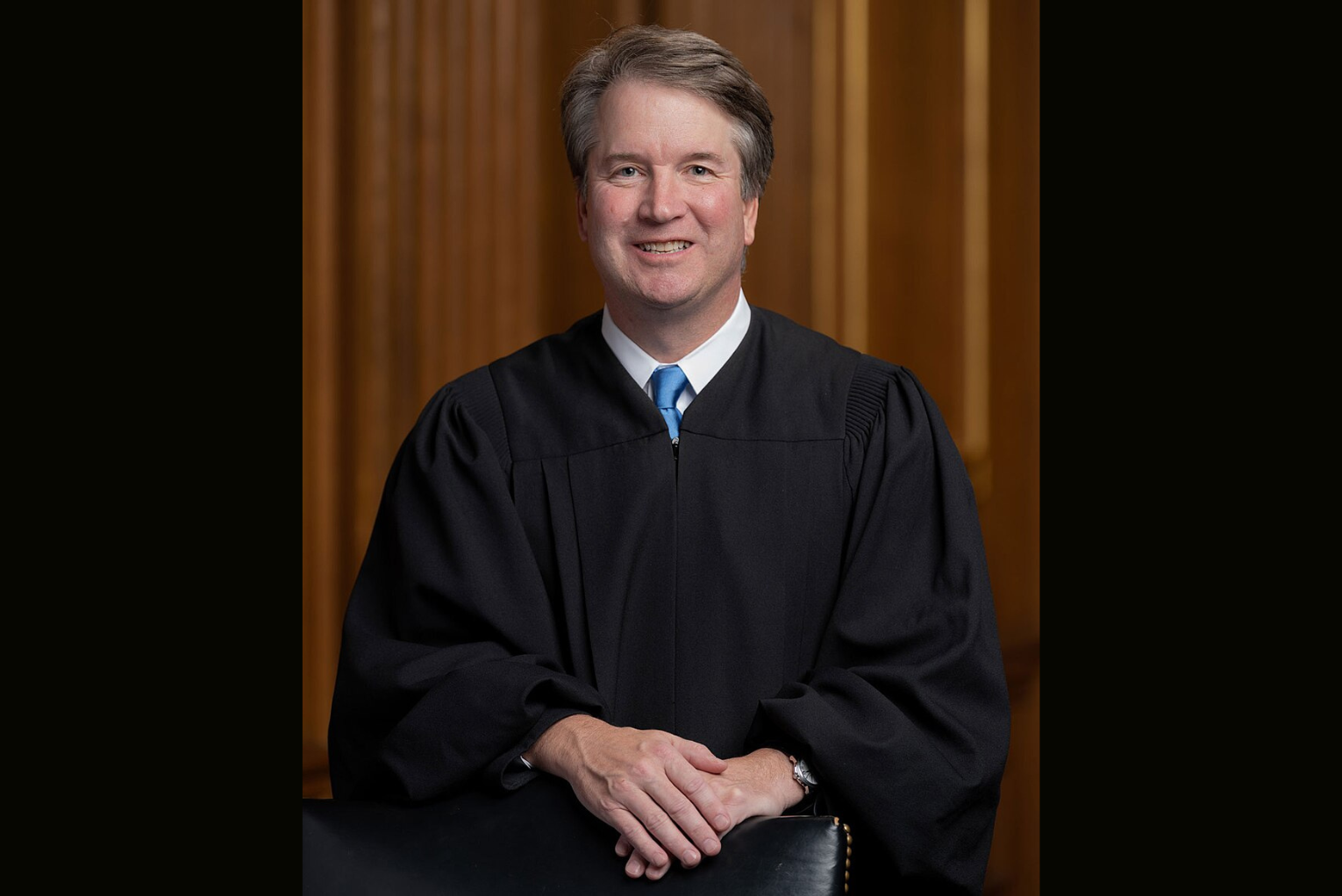
Justice Brett Kavanaugh pressed Colorado’s attorney at Tuesday’s Supreme Court oral argument in St. Mary Catholic Parish v. Roy over why the state could not find a “win/win” for Catholic preschools that do not participate in its universal preschool program.
Andrea Picciotti-Bayer, director of the Conscience Project, wrote in a column for The Christian Post that Kavanaugh’s was a fair question, because plenty of schools welcome families of every kind and a handful of Catholic schools could keep their faith and still take part. Instead, Kavanaugh said, Colorado had built “a would-be solution in search of a problem,” Picciotti-Bayer wrote.
Picciotti-Bayer, who filed an amicus brief on behalf of Catholic families who cannot receive the subsidy if they choose a Catholic school, wrote that the Archdiocese asked Colorado for an accommodation before the program began. She wrote that these preschools ask every family, Catholic or not, to affirm in good faith a statement of community beliefs, adding that Colorado called its mandate a “hard limit.”

To order Jonathan Cahn’s new book, The Altar of Pergamon, visit Amazon.com.
Justice Sonia Sotomayor asked whether a school can “reject a child because their parents are homosexual,” and then whether the same logic would allow excluding Black children, Picciotti-Bayer wrote. Justice Ketanji Brown Jackson saw no principled difference, according to her account, while Justice Elena Kagan credited Colorado’s good faith but still called the request a “special accommodation.”
Picciotti-Bayer compared the case to Bob Jones University v. United States, in which the Court upheld the IRS’s decision to strip tax-exempt status from schools with racially discriminatory policies only after the government justified the burden on religion. She wrote that Colorado wants to deny a benefit without making that showing, arguing that because its rule is neutral, the issue never arises.
She also cited Obergefell v. Hodges, which said the traditional view of marriage rests on “decent and honorable religious or philosophical premises,” noting that Justice Kavanaugh raised the ruling and Colorado’s attorney agreed “absolutely.”
This article originally appeared on American Faith and is reposted with permission.
