
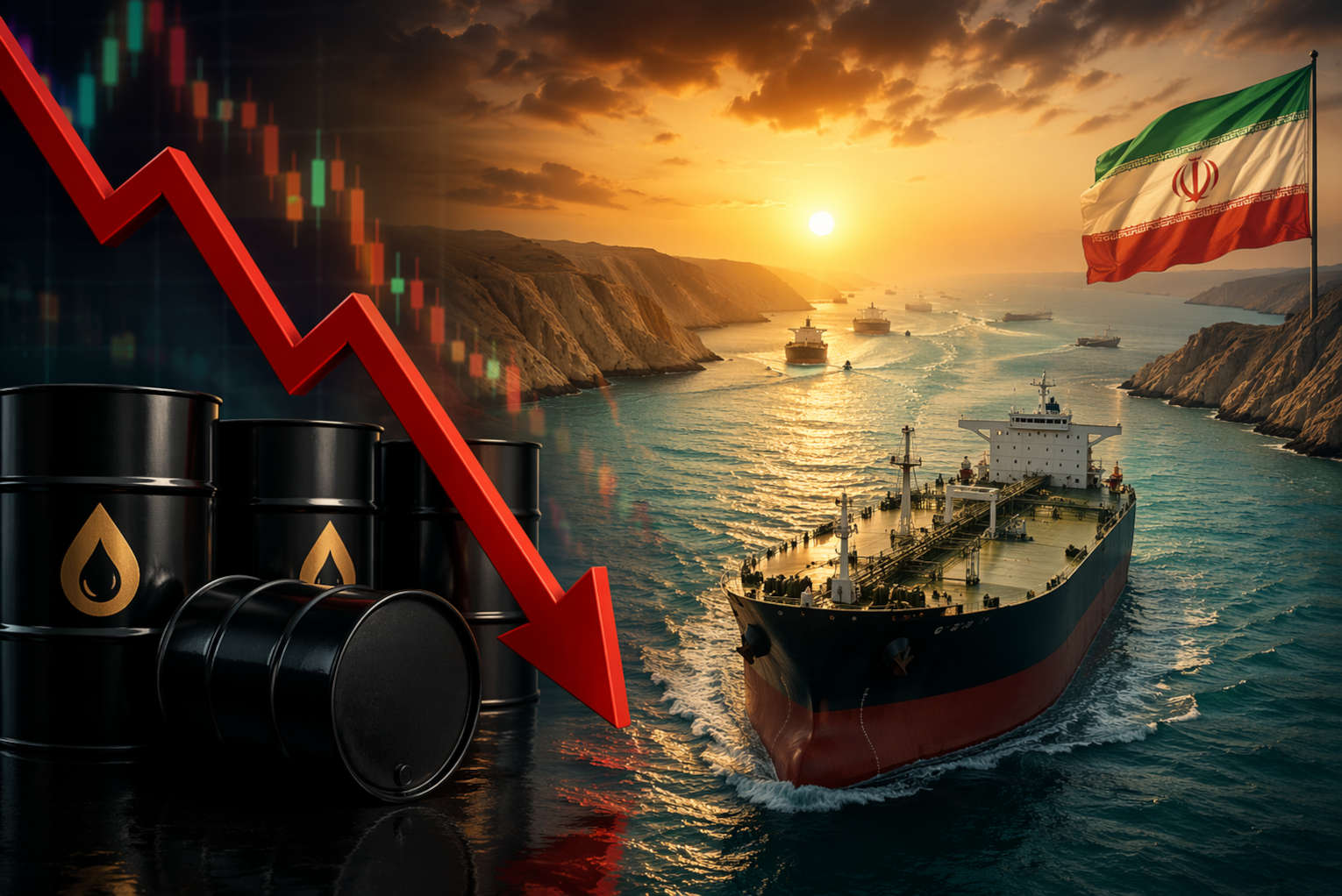
Oil markets reacted swiftly on Friday after Iran signaled a temporary reopening of one of the world’s most critical shipping routes, easing fears of prolonged disruption to global energy supplies.
The Strait of Hormuz will remain accessible to commercial vessels during a 10-day ceasefire tied to the Israel-Lebanon conflict, Fox News reported. Iranian Foreign Minister Abbas Araghchi confirmed the passage would be open, while a senior Iranian official said ships would move through designated safe lanes, though naval vessels remain restricted.
In line with the ceasefire in Lebanon, the passage for all commercial vessels through Strait of Hormuz is declared completely open for the remaining period of ceasefire, on the coordinated route as already announced by Ports and Maritime Organisation of the Islamic Rep. of Iran.
— Seyed Abbas Araghchi (@araghchi) April 17, 2026
President Donald Trump confirmed the strategic balance in place, posting that the strait is “COMPLETELY OPEN AND READY FOR BUSINESS AND FULL PASSAGE,” while adding that the U.S. naval blockade targeting Iran will remain “IN FULL FORCE AND EFFECT… UNTIL SUCH TIME AS OUR TRANSACTION WITH IRAN IS 100% COMPLETE.”
Oil prices tumble on reopening news
The announcement sent oil prices sharply lower after weeks of volatility driven by conflict in the region. West Texas Intermediate crude fell more than 10% to under $85 per barrel, while Brent crude dropped more than 10% to around $89.
Markets had previously surged during the height of tensions, with WTI peaking near $113 and Brent climbing above $119. Analysts now see the potential for a continued decline. Brian Therien, senior analyst at Edward Jones, said, “While U.S. restrictions on Iranian ports remain in place, oil futures markets are also retreating, now implying crude prices could move back toward the low-$70s by year-end.”

Order Troy Anderson’s New Book, “Designated Disrupter” on Amazon.com!
The Strait of Hormuz remains a vital artery for global energy, carrying roughly one-fifth of the world’s oil and liquefied natural gas. Its earlier closure amid threats of Iranian attacks and sea mines had rattled markets and raised concerns about supply shocks.
Shipping companies are proceeding carefully. Some firms have delayed transit while evaluating safety conditions, citing ongoing uncertainty. Industry leaders welcomed the reopening but warned that risks such as sea mines and unclear enforcement measures remain unresolved.
Still, the reopening of the strait and the sharp drop in oil prices signal a potential turning point. If the downward trend holds, Americans could soon begin to feel some long-awaited relief at the gas pump.
James Lasher, a seasoned writer and editor at Charisma Media, combines faith and storytelling with a journalism background from Otterbein University and ministry experience in Guatemala and at the LA Dream Center. A Marine Corps and Air Force veteran, he is the author of The Revelation of Jesus: A Common Man’s Commentary and a contributor to Charisma magazine. For interviews and media inquiries, please contact [email protected].
