

At Christmas, the familiar words spoken by the angels over Bethlehem still echo with power and purpose: “Glory to God in the highest, and on Earth peace, good will toward men.”
According to apostle John Eckhardt, those words are not poetic tradition. They reveal one of the central reasons Jesus came into the world. “One of the reasons Jesus came, or one of the causes of Christ’s coming, was to release good will, divine favor, salvation, redemption, deliverance to man,” he teaches. Christmas, then, is more than a celebration. It is an invitation to live differently.
Eckhardt explains that good will begins with God Himself. “Good will toward men is, first of all, God’s good will toward men and our good will toward men: kindness, benevolence, giving, caring.” It reflects God’s nature and His intention for humanity. While the season is often crowded with noise and commercialism, he reminds believers that the heart of Christmas remains unchanged. “The Christmas season represents giving. It is a time of giving… really, the intent is to release good will, gifts, giving, benevolence, kindness, loving people, taking care of people. This is really the heart of the Gospel.”
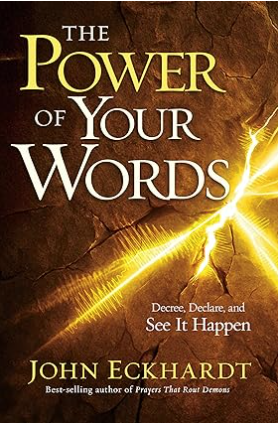
Pre-order John Eckhardt’s New Book, “The Power of Your Words” on Amazon.com!
Good will, however, is not sentimental language or seasonal goodwill. Eckhardt emphasizes that it is a lived reality. “Good will toward men is not merely a sentiment but a call to action,” he says, urging believers to embody what Christ came to impart. That calling becomes especially clear when Scripture refers to “people of good will.”
People of Good Will Live Out These Virtues
- They promote peace
People of good will actively work to reduce division rather than deepen it. Eckhardt teaches that they “actively seek to bridge divides, resolve conflicts, and foster understanding among diverse groups.” Their presence brings calm, clarity, and reconciliation in environments marked by tension. - They extend compassion and mercy
Compassion is not optional for people of good will. Eckhardt describes them as those who “show mercy and kindness to others, especially the vulnerable and marginalized, without expecting anything in return.” Their concern is not transactional. It flows from a heart transformed by Christ. - They demonstrate generosity
Generosity, according to Eckhardt, goes beyond financial giving. People of good will “share resources, time, and talents to uplift and support those in need.” They understand that everything they steward can become a blessing when placed in God’s hands. - They stand for righteousness and truth
Good will does not compromise moral clarity. Eckhardt explains that people of good will “advocate for justice and truth, working against oppression and wrongdoing while upholding moral integrity.” Their kindness is anchored in conviction, not passivity. - They show active concern for others’ well-being
Eckhardt defines good will as more than approval or polite affirmation. “Good will manifests as an active interest in the welfare of others, extending beyond passive approval,” he says. It means caring about people’s needs, struggles, and aspirations, and responding with empathy and support.
This calling stands in sharp contrast to the violence and cruelty visible in the world. Eckhardt points to real-world tragedy as evidence of what happens when human dignity is abandoned. “That is not kindness. That is cruel, harsh… not recognizing the dignity of anybody. That is not God’s intent,” he says. In response, he emphasizes that believers are meant to be an alternative witness.
“The church should be a vehicle of good will,” Eckhardt teaches, “supporting the weak, helping the lost, helping the hurting, lifting up the downtrodden.” In a fractured world, people of good will reveal the character of Christ through consistent, compassionate action.
Christmas, then, becomes both a reminder and a recommissioning. Eckhardt summarizes it simply: “God wants us to be recipients of His good will but also channels of His good will.” As Christians receive God’s favor, kindness, and benevolence, we are also called to release it into everyday life.
The message of Christmas is not confined to a single day or season. It shapes how believers live, give, and love. In Eckhardt’s words, it is a call to be “a person of kindness, benevolence, goodness, and compassion all the days of your life.”
James Lasher, a seasoned writer and editor at Charisma Media, combines faith and storytelling with a background in journalism from Otterbein University and ministry experience in Guatemala and the LA Dream Center. A Marine Corps and Air Force veteran, he is the author of The Revelation of Jesus: A Common Man’s Commentary and a contributor to Charisma magazine.
