
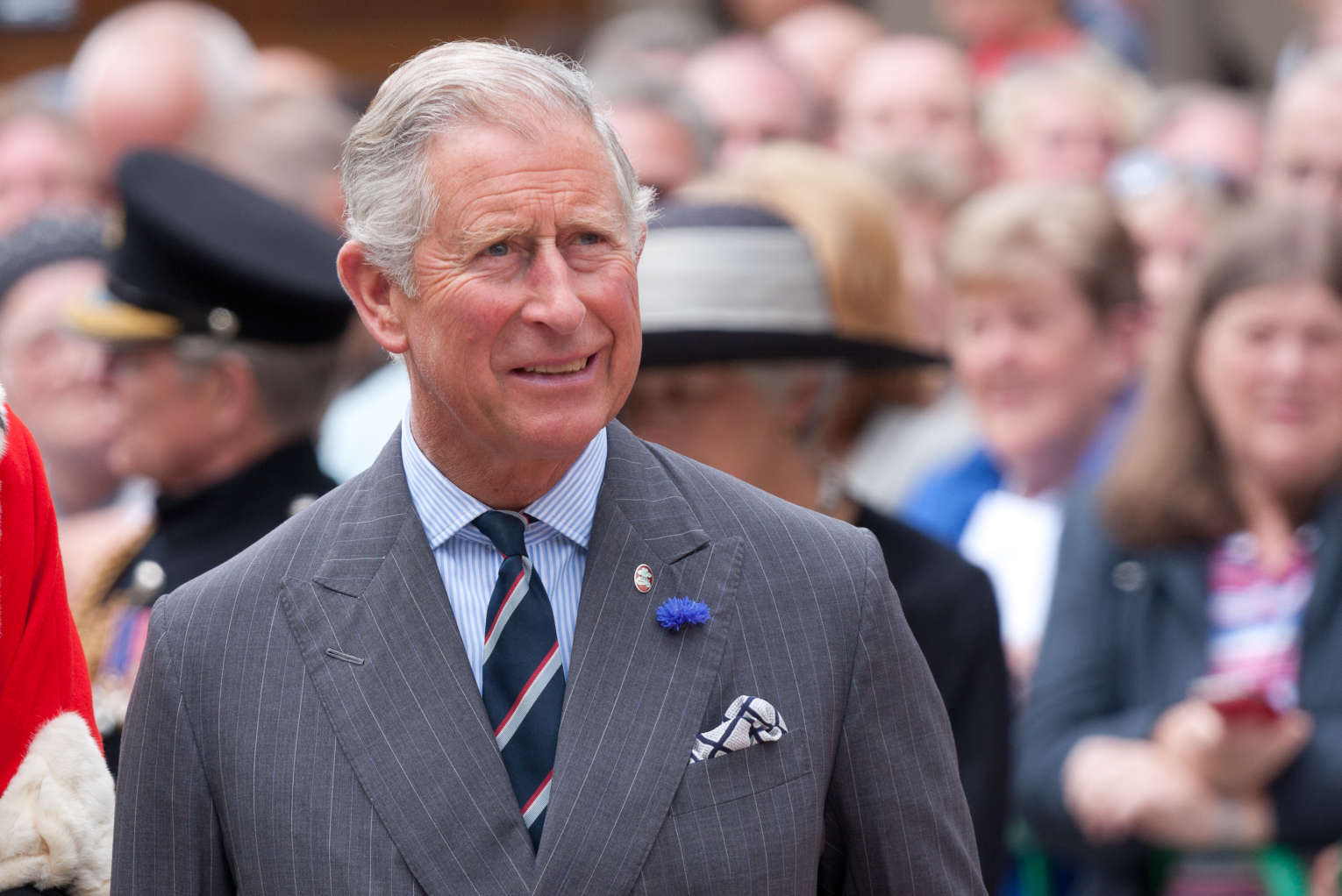
When persecuted Christians are acknowledged on the world stage, it deserves attention. That is precisely what happened when King Charles used a recent Advent service at Westminster Abbey to highlight the suffering of believers around the world.
According to the BBC, the king offered support to Christians living “in areas where it is not easy to live out one’s faith,” a rare and welcome acknowledgment at a time when global leaders often ignore Christian persecution.
That matters. Christians remain the most persecuted religious group on the planet, and their suffering rarely receives sustained public recognition.
A Clear Spotlight on Christian Suffering
The candle-lit service carried strong Orthodox, Anglican and Catholic influences and included a warning against religious discrimination. The king spoke of “the light, hope and, above all, the peace of this season,” while the sermon addressed persecution directly.
Cardinal Timothy Radcliffe spoke of the “massive persecution of Christians in so many places,” recalling the 1996 killing of Algerian Bishop Pierre Claverie by Islamist extremists. Radcliffe said that “pointless violence had flowered into friendship,” noting that both Christians and Muslims mourned Claverie.
The congregation also heard from Ribqa Nevash, a 25-year-old Christian from Pakistan, who described churches being burned and Christians facing discrimination for their faith. She said she was relieved to be in the UK, where she could openly celebrate Christmas.
For Christians who take Scripture seriously, none of this is surprising. Jesus warned His followers to expect persecution. The apostle Paul lived it and rejoiced in it. Suffering for the name of Christ has always been part of the faith.
Order Jonathan Cahn’s Newest Book, “The Avatar” on Amazon.com!
Encouragement Without Naivety
Still, encouragement does not require blind trust.
King Charles is the head of the Church of England. This denomination has steadily moved away from biblical authority on issues of gender, sexuality and core Christian doctrine, not to mention abuse taking place within the organization. That reality cannot be ignored. Nor can the broader trajectory of the United Kingdom, where increasing authoritarian measures have led to arrests over speech, including online expression that the government disapproves of.
It is difficult to reconcile those developments with a nation once defined by its resistance to tyranny. Modern Britain increasingly resembles the very systems it once stood against.
Giving Credit Where It Is Due
Even so, Christians should not confuse discernment with cynicism.
The service reflected deep Christian tradition, featuring icons, ancient hymns and prayers in Coptic, Syriac and Latin. King Charles quoted the Advent hymn “O Come, O Come, Emmanuel,” highlighting its plea to “Dispel the long night’s lingering gloom, and pierce the shadows of the tomb.”
Those words endure because they speak truth. Darkness is real. Persecution is real. And hope is found only in Christ.
Doubts about King Charles and European leadership remain, especially given the current spiritual and political climate. But Christians can still take comfort in knowing Scripture has already told us what the last days will bring. We are not unprepared, and we are not alone.
The Holy Spirit has been sent as our Helper, and that remains far more reassuring than the words of any king.
James Lasher, a seasoned writer and editor at Charisma Media, combines faith and storytelling with a background in journalism from Otterbein University and ministry experience in Guatemala and the LA Dream Center. A Marine Corps and Air Force veteran, he is the author of The Revelation of Jesus: A Common Man’s Commentary and a contributor to Charisma magazine.
