
From the earliest days of the church, the Bible has warned believers to stay alert against deception in the last days. Jesus cautioned in Matthew 24 that false prophets and teachers would arise, and Paul wrote that believers should not be “quickly shaken in mind or alarmed.” The doctrine of the Lord’s imminent return has been a source of hope for centuries, reminding the faithful to live ready for His coming at any moment. Yet in every generation, distractions and distortions creep in to dull that watchfulness.
Breaking News. Spirit-Filled Stories. Subscribe to Charisma on YouTube now!
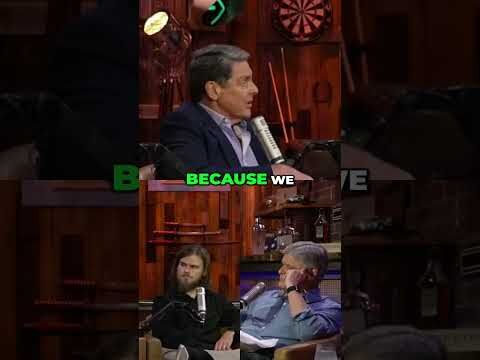
In a recent message, Pastor Allen DiDio addressed this challenge directly. Speaking on the growing noise around prophecy and speculation, he outlined what he believes are three major deceptions infiltrating the church today. “Having an understanding of imminence, it protects you. It transforms your discipleship life. It changes so many things about you. The enemy wants to corrupt it. He wants to dilute it,” DiDio said.

Order Jonathan Cahn’s Newest Book, “The Avatar” on Amazon.com!
Here are the three end-time deceptions DiDio identified:
1. Date-setting that denies imminence
DiDio warned that predicting specific dates for Christ’s return undermines the biblical teaching that Jesus could come at any moment. He pointed to speculation around September 23 as a prime example. “Anyone who predicts a date, anyone who predicts a date, they are chipping away at the foundation of imminence,” he said. If believers are convinced Christ is returning on a certain day, they no longer live with the expectancy that He could return now. That shift dulls urgency and readiness, leaving the church vulnerable.
2. Mockery and disillusionment after failed predictions
Failed prophecies and sensational claims can leave believers spiritually wounded, DiDio said. He cited a psychological pattern: “Expectation plus disconfirmation equals disillusionment.” When dates pass uneventfully, it breeds cynicism and even mockery of prophecy itself. “He knows repeated disappointment leads to cynicism, apathy, and ridicule,” DiDio said of the enemy. These attitudes are contagious and spread quickly in churches, robbing believers of faith and hope.
3. Extreme reactions that distort doctrine
The third deception, according to DiDio, is overcorrection. In rejecting false prophecy or errors about the rapture, some abandon or distort sound doctrine altogether. “Most of the people who are opposed to the concept of a pre-tribulational rapture have been moved in that position via emotion,” DiDio explained. He compared it to removing spiritual armor: “We are creating more error because we are leaving the church helmetless.” Instead of being anchored in the whole counsel of Scripture, believers swing to extremes that leave them open to deception.
Despite the dangers, DiDio urged Christians not to abandon their hope. He emphasized that prophecy is a gift for the church’s encouragement, not confusion. “Always watching and always looking is not a distraction from the great commission that we’ve been given. It is an empowerment to the great commission,” he said.
Join Charisma Magazine Online to follow everything the Holy Spirit is doing around the world!
DiDio closed by reminding believers that the call is not to chase speculation but to stay rooted in Scripture, to hold fast to the promise of Christ’s return, and to let that hope shape holy and watchful lives.
James Lasher, a seasoned writer and editor at Charisma Media, combines faith and storytelling with a background in journalism from Otterbein University and ministry experience in Guatemala and the LA Dream Center. A Marine Corps and Air Force veteran, he is the author of The Revelation of Jesus: A Common Man’s Commentary and a contributor to Charisma magazine.