
There’s a reason human beings crave stories. We flock to movie theaters, binge series and retell stories across cultures and across centuries. They are echoes of something older, deeper and eternal.
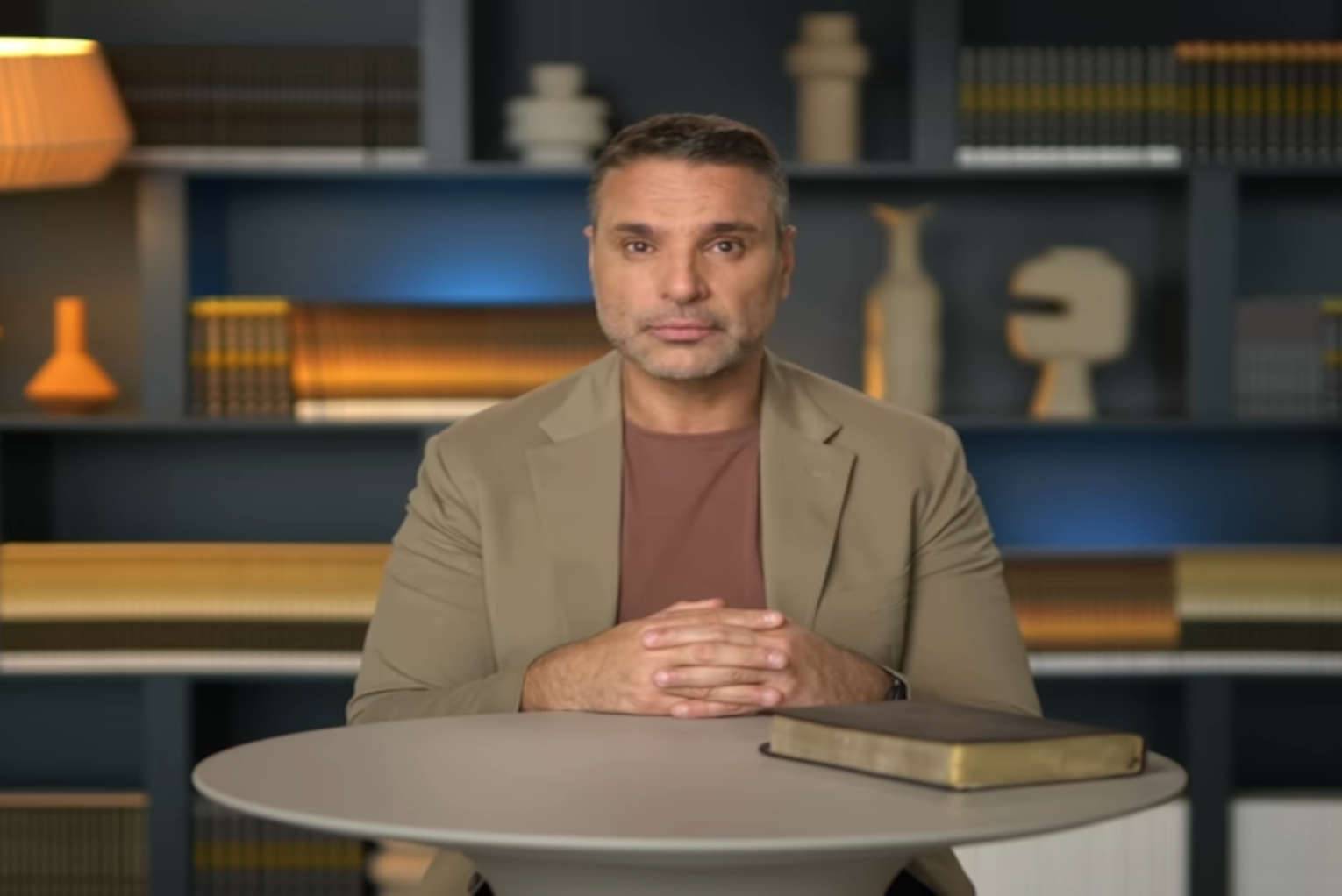
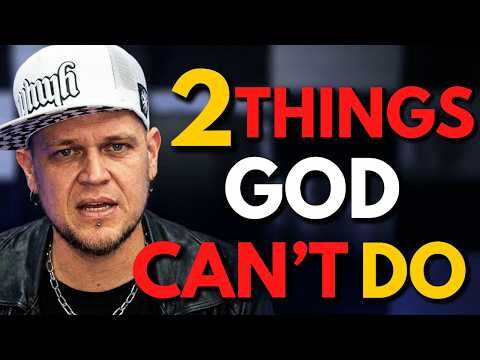
The Bible itself explains why. Citing Ecclesiastes in a recent video, Kap Chatfield noted that Scripture says “eternity is written on the hearts of men.” Humanity, he argued, is pre-loaded to crave narrative meaning. “You and I are pre-programmed in our DNA to hunger for the narrative structure of the Bible,” he said.
To understand this cosmic storyline, he took listeners back to the very beginning. “Let’s jump into Genesis chapter 1,” he said. While God could have revealed Himself as Father, Shepherd, Judge or Savior, the first revelation He chooses is far more foundational: “God wants you to know that He is a creator.”
And because humanity is made in His image, that reality becomes imprinted on us. “If you’re created in the image of a creator, that means that you are also a creator,” he said. Humans are not merely consumers of reality; they are builders, stewards, problem-solvers—designed to imagine, innovate, cultivate and bring order. “You are called to bear the image of your God who is a creator.”
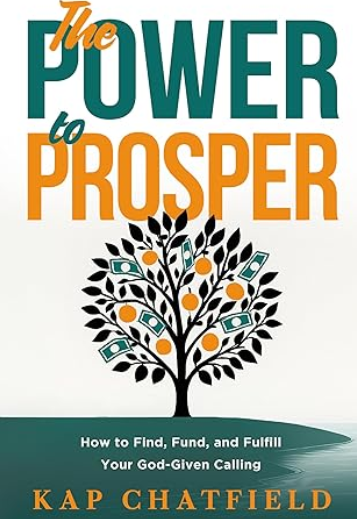
To order Kap Chatfield’s new book, The Power to Prosper, visit Amazon.com.
But that image-bearing assignment points to something even larger. “The Bible is about a kingdom and not a religion,” Chatfield said. Creation itself unfolds like the construction of a realm—land, sea, sky, creatures, light, governance, cycles, seed-bearing structures and the authority to steward it. “God is literally speaking a kingdom into existence,” he said. “He’s not speaking a religion into existence.”
Yet, he warned, modern Christianity often reduces the Bible to rules while ignoring the broader political and cosmic architecture behind it. “How have we reduced the story of the Bible just to being this rule book?” he asked. “A government, a kingdom is so much bigger than just the laws.”
This kingdom framework reframes faith itself. Using Elizabeth’s words to Mary in Luke 1:45—“You are blessed because you believed that the Lord would do what he said”—Chatfield challenged Christians to reject the trend of talking themselves out of God’s promises. “You are not foolish… you are blessed for believing that God would do what he plainly said,” he declared. And he prophesied that in the coming season, “the thing that you’ve been praying for… will come to pass.”
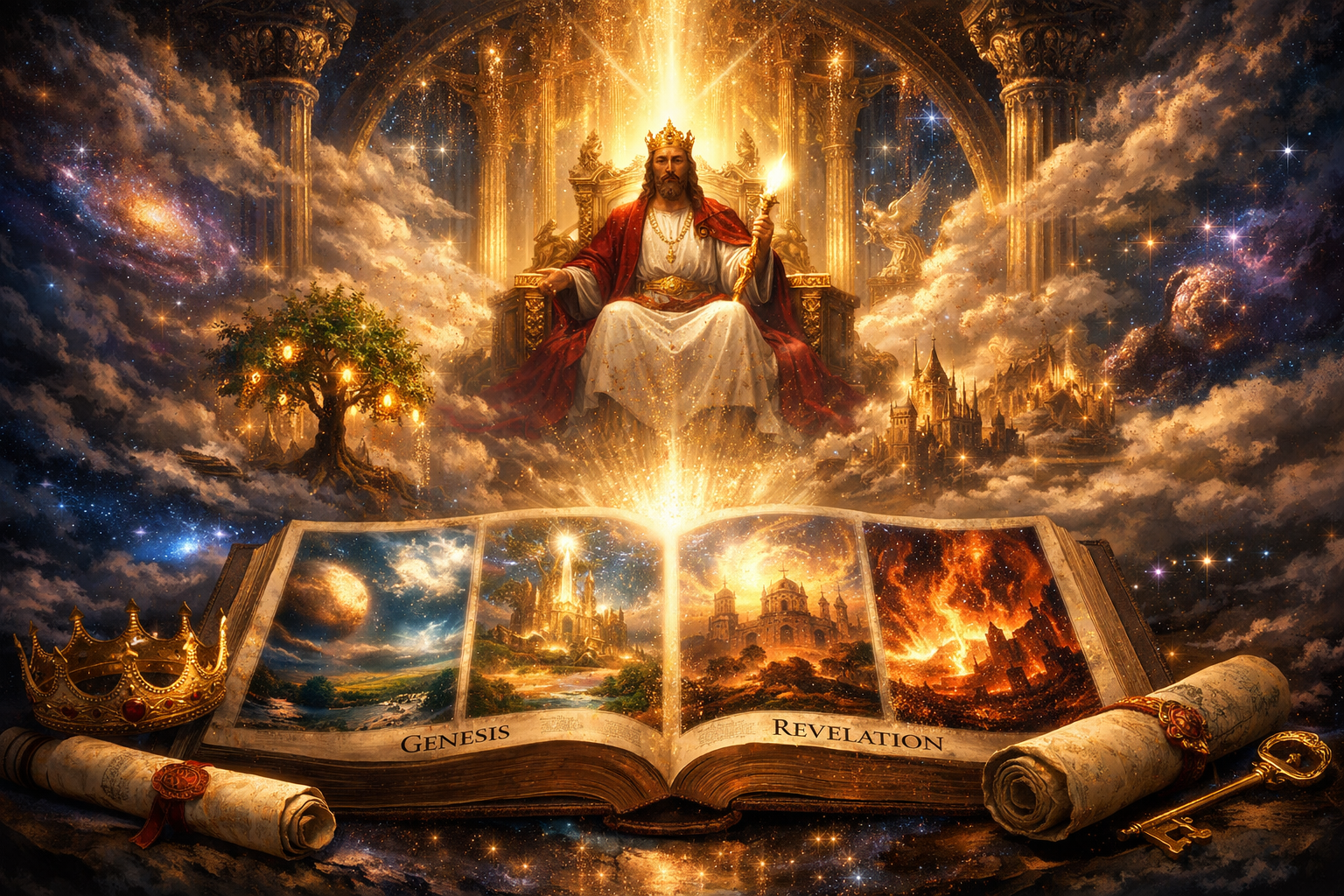
Tracing the biblical arc, he showed that the story begins with a kingdom in Genesis, manifests through Jesus who proclaims, “The kingdom of God is at hand,” and concludes in Revelation with Christ revealed as “King of kings and Lord of lords.” Even Jesus’ own parables reflect that monarchic framework: “The kingdom of heaven is like a certain king who arranged a marriage for his son” (Matt. 22:2). From beginning to end, the story is royal.
And then comes the twist that scandalizes small views of Christianity: if Christ is the “King of kings,” then believers must be the lowercase “kings.” “You are a royal priest,” he insisted, quoting 1 Peter 2:9. “You are a co-heir… You are a co-laborer… You are a child of God.” Humanity was never created for subjugation but for stewardship. “You were tasked to govern creation,” he said, pointing to Genesis 1:28, where God commands mankind to “have dominion” over the earth.
Seen through this lens, the biblical narrative is no longer the tale of religious spectators waiting for rescue. It is the unfolding of a kingdom in conflict—one in which the rightful heirs have forgotten who they are. The gospel, then, is not only about forgiveness but about restoration, coronation and cosmic order. The King has come, the Kingdom has been announced, and the Bride is being prepared.
“You are in the middle of this story,” Chatfield stated. “You were not created to be a slave… you were created to steward, to reign, and to partner with God.”
And one day soon, the King will finish what He began.
Abby Trivett is a writer and editor for Charisma Media and has a passion for sharing the gospel through the written word. She holds two degrees from Regent University, a B.A. in Communication with a concentration in Journalism and a Master of Arts in Journalism. She is the author of the upcoming book, The Power of Suddenly: Discover How God Can Change Everything in a Moment.