
Every December, Christians become divided about the same subject: Is Christmas a celebration of Jesus or is it pagan?
In a captivating video, Pastor Vlad Savchuk explains the facts behind this highly contested debate.
1. Christmas Means “Christ’s Mass”
“The word ‘Christmas’ simply means Christ’s Mass. It’s literally a celebration of Jesus Christ,” Savchuk says.
While some point to bells, candles and greenery as “pagan,” these things are neutral. Objects themselves aren’t evil; what matters is how we use them. Christians can redeem symbols for worship, remembrance and celebration.
2. Origins Don’t Define Meaning
Just because a non-Christian created something or used an item first does not make that item itself bad.
“If we say pagans used something, therefore Christians cannot use it, then we also must get rid of homes, music, candles, weddings, birthdays, calendars, and actually every day of the week… The origin of a symbol does not determine its meaning today. Current usage does,” he notes.
3. December 25 Was Chosen for Theology, Not Paganism
“Early Christians chose Dec. 25 because they believed that Jesus was conceived on March 25… add nine months to March 25. You have Dec. 25.”
These early Christians connected Jesus’ birth to theology, not pagan festivals like Saturnalia. Pagan celebrations gravitated toward December 25 as Christianity grew, contrary to what most people believe.
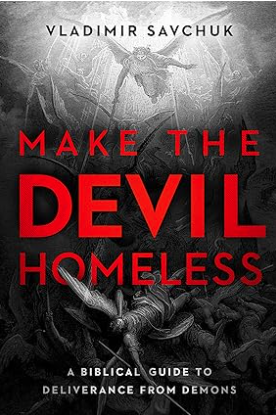
To order Vlad Savchuk’s new book, Make the Devil Homeless, visit Amazon.com.
4. Early Christians Didn’t Celebrate Births
Savchuk noted that Christians began celebrating the birth of Jesus Christ to make the point that He was both fully God and fully man.
“The early church focused more on the death of believers than on their birth… By the 4th century, there were false teachers that claimed Jesus was not fully God. And the church started to emphasize Jesus’ birth, that the Word became flesh and dwelt among us (John chapter 1).” Christmas grew as a witness to God’s miraculous plan.
5. You’re Celebrating an Event, Not a Date
Ultimately, we are not celebrating the date of Dec. 25; instead, we are focused on the fulfillment of God’s promise to His people through the birth of the Messiah.
“You’re not celebrating a date. You are celebrating an event… Jesus’s birth was miraculous. It was prophesied about. It was announced by angels. It was witnessed by shepherds. It was worshiped by wise men.” The exact date we use to celebrate Jesus’ birth is secondary; the focus is the miracle of the Savior entering our world.
6. The Bible Doesn’t Command or Forbid Christmas
“The Bible also does not forbid Christians from celebrating Jesus’s birth. Romans chapter 14:5-8… One person esteems one day above another; let each person be fully convinced in his own mind. Whether we live or die, we are the Lord’s.”
Observing a day isn’t sinful; neglecting a day isn’t holiness. The point is that we must honor God in everything we do.
7. Commercialization Doesn’t Make It Evil
Just because the world has made Christmas into something it is not does not inherently make it evil.
“Yes, the world has hijacked something that is sacred… The world uses marriage in very sinful ways. The world misuses music. The world twists sexuality. The world abuses drinks and food. Does it stop us from using those things? Absolutely not… if in the mall, in coffee shops, you hear about the birth of the Savior, why not use this opportunity to point people to the Savior?” Savchuk says.
8. Christmas Trees Are Not Demonic
While some fear that Christmas trees are demonic, this is not true. We do not worship the tree. Instead, it is placed as a reminder of how Christ came into the world.
“Jeremiah chapter 10 is about carving an idol from wood. It’s about shaping it with tools, decorating it with silver and gold, and worshiping it as God. That’s not what people do with Christmas trees… Christmas trees are believed to have begun in Germany among Christians in the 1500s. They used a star to remember the Star of Bethlehem, an angel to remember angels, and the lights to remember Jesus as the Light of the world,” Savchuk says.
9. Santa Claus Is Not the Enemy
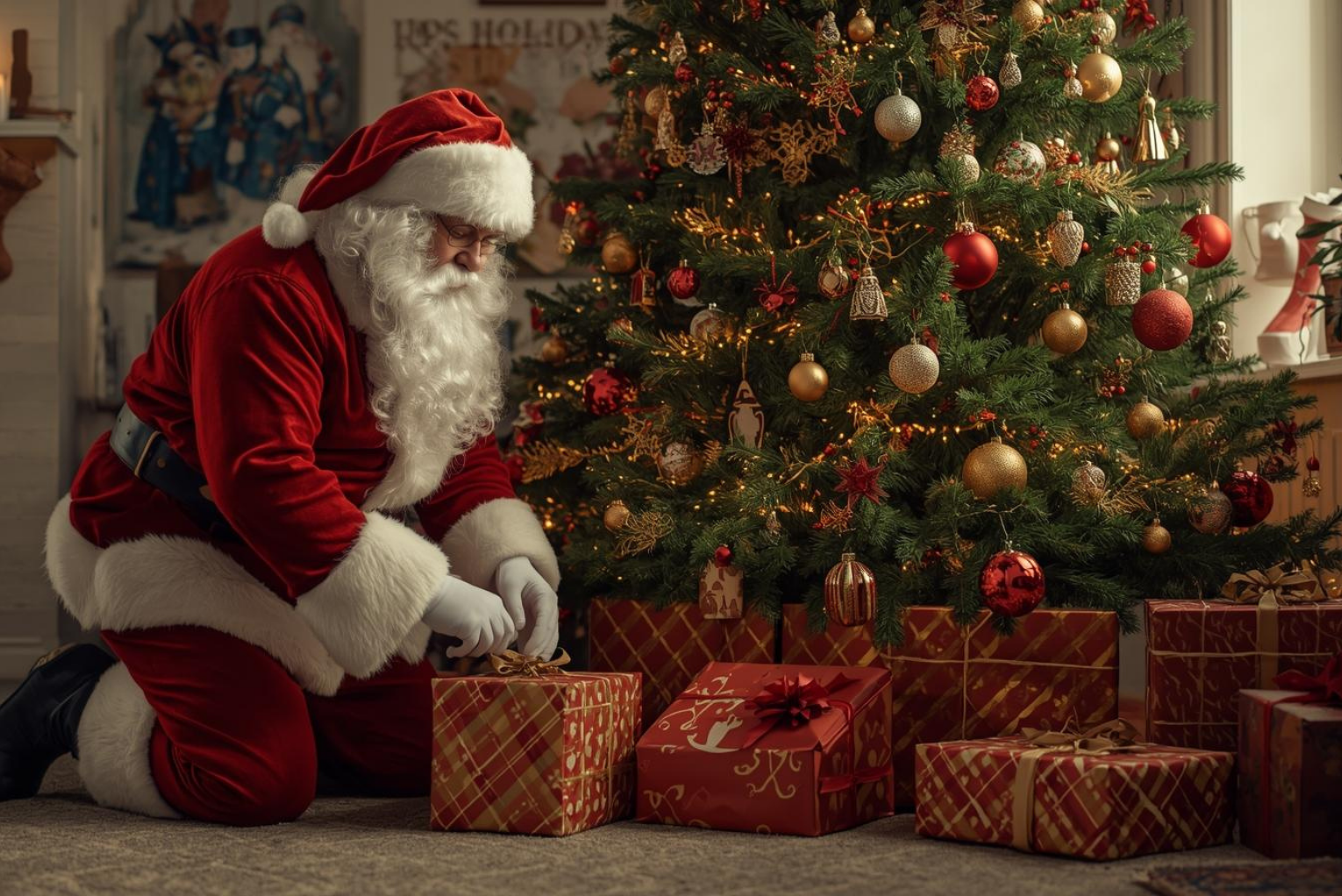
“Santa Claus today is a mixture of old European legends, American marketing and probably a real story of St. Nicholas, a generous Christian bishop… Of course, it got hijacked by the marketing today. And many people believe in Santa giving them gifts instead of Christ being the gift of God who was born.” This, however, does not mean that there is anything demonic behind Santa.
10. Freedom, Unity and Worship Matter Most
If someone does or does not want to celebrate the holiday, that is their choice and we are to leave it up to them to do what they believe is best.
“If your conscience allows you, celebrate it to the glory of God. If your conscience bothers you, don’t celebrate it. But also, don’t judge others. Observing a day doesn’t make you holy. Not observing a day doesn’t make you more holy. Only Jesus makes you holy.”
Whether you celebrate or abstain, the heart of Christmas remains the same: It is about Jesus Christ, God incarnate, stepping into our world to save us.
Abby Trivett is a writer and editor for Charisma Media and has a passion for sharing the gospel through the written word. She holds two degrees from Regent University, a B.A. in Communication with a concentration in Journalism and a Master of Arts in Journalism. She is the author of the upcoming book, The Power of Suddenly: Discover How God Can Change Everything in a Moment.