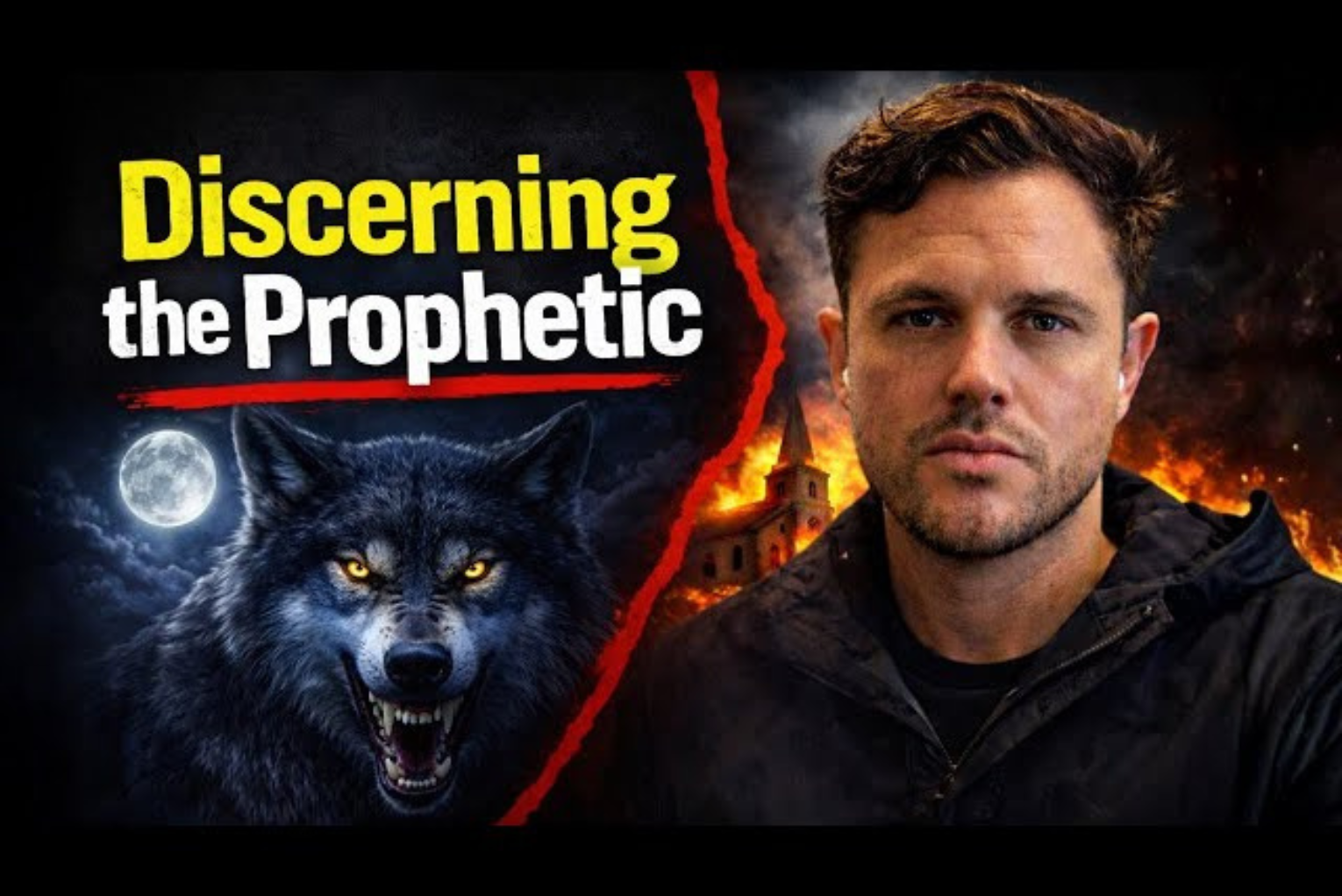

In the wake of growing controversy surrounding allegations of false prophecy and sexual abuse tied to Shawn Bolz and the subsequent response issued by Bethel Church, many are asking a deeply personal question: If a prophetic leader falls, was any of it ever real?
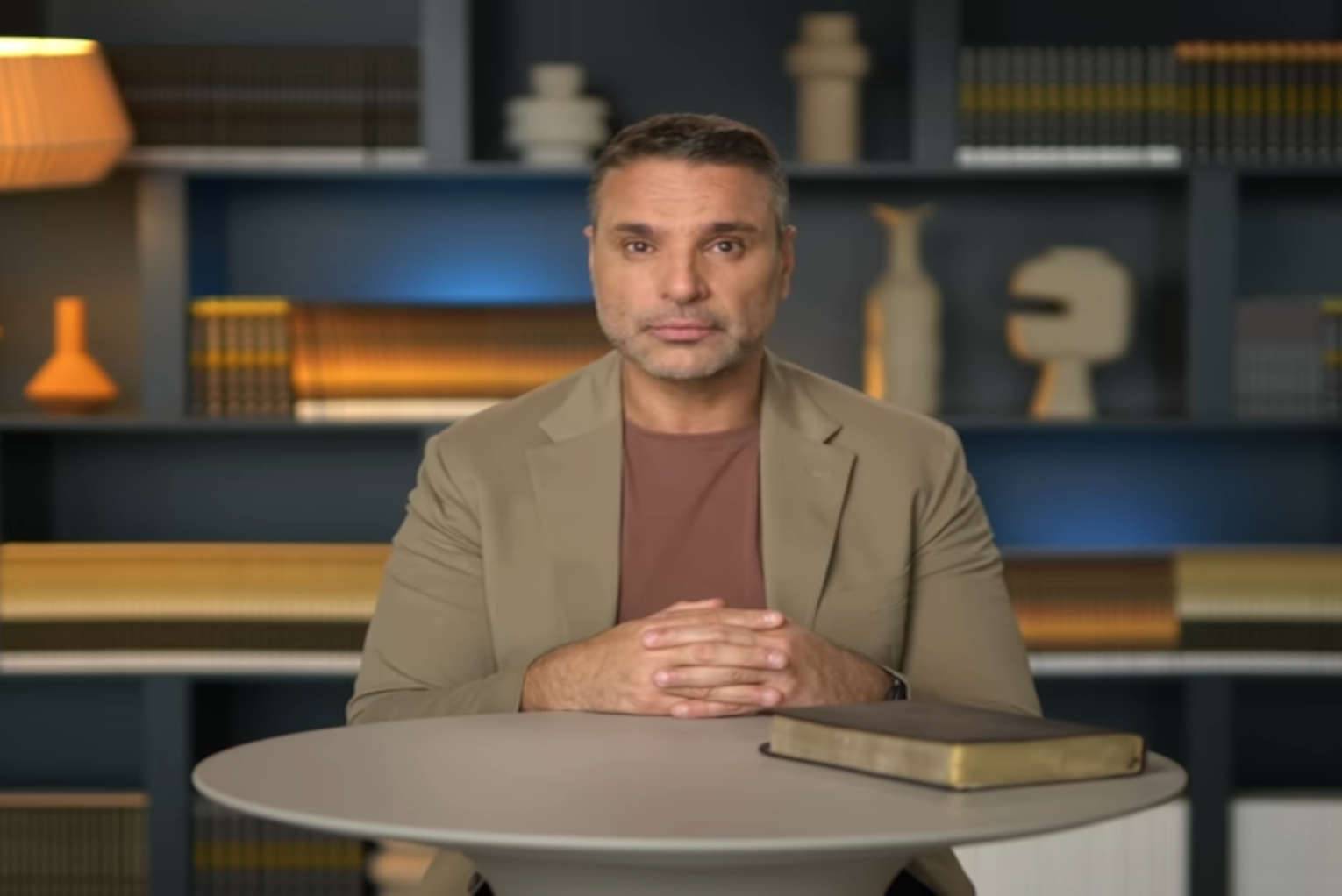
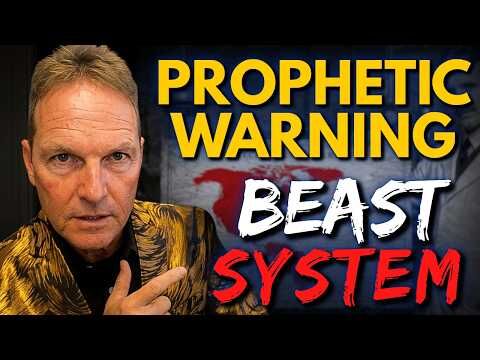
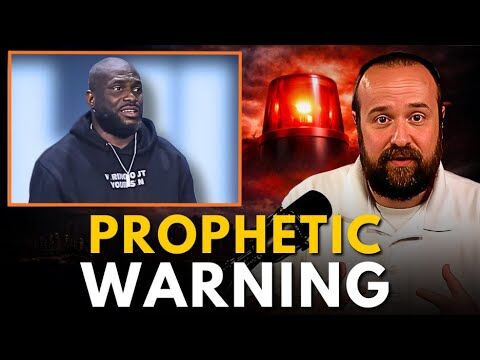
That question was addressed head-on in a recent Charisma Media interview with prophetic teacher Alwyn Uys, whose viral video response to Bethel’s statement struck a chord with Christians wrestling through disappointment, confusion and discernment.
“We do believe that God does speak. We do believe that the prophetic is real,” Uys said. “But we’ve also seen there’s abuse of that.”
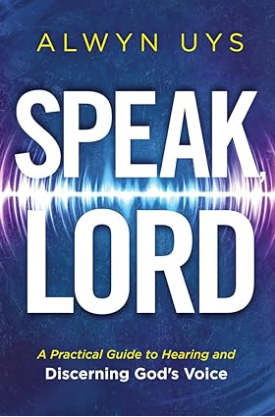
To order Alwyn Uys’ new book, Speak, Lord, visit Amazon.com.
Uys acknowledged the pain many feel when leaders they once trusted fall into moral failure. “Leaders do fall, unfortunately, and we’re all human at the end of the day,” he said. “That’s not to excuse people of their actions. Actions have consequences—even if they were years before.”
When Failure Causes Doubt
For Uys, the issue is deeply personal. He openly shared that he once followed, learned from and even received accurate prophetic words from some of the very figures now under scrutiny.
“I got words from some of these people—accurate prophetic words,” Uys explained. “Things that weren’t publicly available, things that were only between me and God. I knew this was the Holy Spirit speaking through them.”
Yet when a scandal emerges, it can trigger spiritual whiplash. “You start doubting—was this even real? Did this even happen?” Uys said, noting that the enemy often attempts to steal what God genuinely did by sowing doubt after moral failure is exposed.
Testing the Word
Uys further emphasized that prophetic words must be tested—not blindly accepted. He pointed to Scripture as the non-negotiable standard.
“The most obvious one is that it must align with Scripture,” he said. “But also, more than 50% of the time, a prophetic word is confirmation of what the Lord has already spoken to me.”
When a word doesn’t resonate, Uys practices restraint. “I write it down. I put it on the shelf. But I don’t make life-altering decisions based on a prophetic word that doesn’t resonate.”
He stressed that New Testament believers have a responsibility to steward prophetic words. “Eat the meat, spit out the bones,” he said. “A prophetic word is not a one-fix-all solution to being stuck in life.”
New Testament vs. Old Testament Prophets
Uys also drew a clear theological distinction between Old Testament and New Testament prophets—an issue often misunderstood in modern charismatic circles.
“Old Testament prophets had another level of authority. Their words were canonized,” he said. “New Testament prophets do not have that same authority at all.”
Instead, New Testament prophecy functions to “uplift, exhort and encourage,” as outlined in 1 Corinthians 14. True prophetic ministry, Uys argued, is marked not by flashy words of knowledge but by maturity, character and the ability to equip others.
“Don’t be wowed by a gift,” he warned. “If you’re not being drawn closer to Jesus, there’s a problem.”
Holding On to What God Did
Rather than discarding everything learned through fallen leaders, Uys urged believers not to “throw the baby out with the bathwater.”
“God can still work through an imperfect vessel,” he said. “The enemy would love for you to deconstruct the whole thing and end up back at ground level again.”
In a season marked by exposure, shaking and refinement, Uys’ message was clear: the prophetic is real—but Jesus must always remain the center.
Abby Trivett is a writer and editor for Charisma Media and has a passion for sharing the gospel through the written word. She holds two degrees from Regent University, a B.A. in Communication with a concentration in Journalism and a Master of Arts in Journalism. She is the author of the upcoming book, The Power of Suddenly: Discover How God Can Change Everything in a Moment.