
Some questions still linger about the hours-long Verizon outage that disrupted service for more than a million customers on Jan. 14. While the company has attributed the incident to a software issue, the timing has prompted speculation in some quarters about whether the disruption could have been connected to broader geopolitical tensions unfolding the same day.
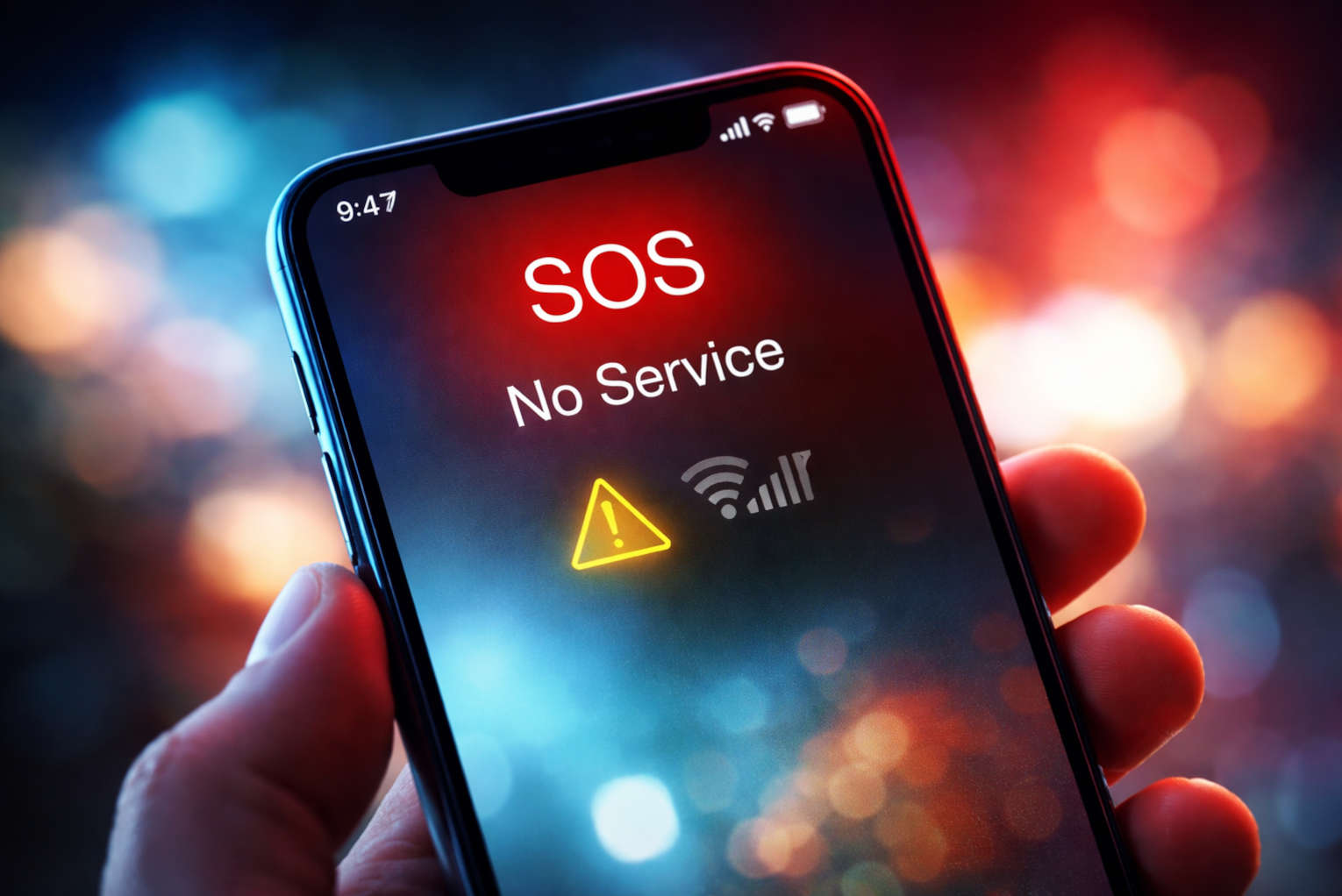
The outage, which forced many phones into SOS-only mode, disrupting call, text and data, began earlier Wednesday and was fully resolved after 10 p.m. ET. Verizon later apologized to customers and announced it would issue $20 credits, while declining to provide additional technical details beyond saying the disruption was software-related.
The incident coincided with heightened unrest in Iran, where the Islamic regime reportedly restricted internet access and communications amid widespread protests. Internet blackouts have become a common tactic used by Tehran during periods of internal instability, according to human rights organizations and technology watchdogs.
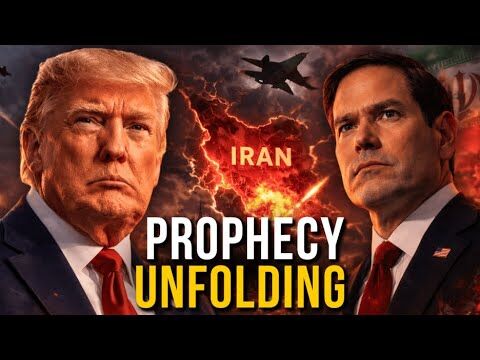
Against that backdrop, unconfirmed reports circulated late Wednesday that U.S. forces were considering strikes against Iranian targets, allegedly aimed at weakening or toppling the current regime.
🚨🇺🇸🇮🇷 U.S. STRIKE ON IRAN REPORTEDLY CALLED OFF AT LAST MINUTE
— Mario Nawfal (@MarioNawfal) January 15, 2026
Trump apparently almost green-lit a strike on Iran late last night, then pulled the plug minutes before execution.
Iranian airspace has reopened and forces scrambled from Al-Udeid were told to stand down.
Sources… pic.twitter.com/mZgK7a95lQ
According to those reports, President Donald Trump ultimately called off the operation after advisers warned that a strike might not remove Iran’s leadership and could trigger a significant retaliatory response.
No publicly available evidence has confirmed that such an operation was imminent, nor has the White House acknowledged that any strike plans were tied to the Verizon outage. Still, the timing overlap has raised questions among analysts and observers about whether the outage could have been related to cyber activity, defensive measures, or broader national security concerns.

Order Amanda Grace’s New Book, “Brace For Impact” on Amazon.com!
U.S. officials have long acknowledged that cyber operations, electronic warfare and communications disruptions are now routine components of modern conflict. In such cases, details are often classified, and the public may not be immediately informed if any action occurred.
Telecommunications experts note that large-scale outages can occur for many reasons, including software failures, network congestion or human error. At the same time, the federal government has previously investigated major service disruptions, including a 2024 Verizon outage that reportedly drew scrutiny from the Federal Communications Commission.
Verizon has not suggested any foreign involvement in the Jan. 14 incident, and no U.S. agency has indicated the outage was linked to military or intelligence activity. Still, the convergence of domestic infrastructure disruption, escalating tensions with Iran, and reports of a near-miss military strike has left some asking whether the public would even be told if something more had occurred.
For now, officials say the outage was resolved, customers have been compensated, and a review is underway. Whether the timing was merely coincidental or indicative of something unseen remains an open question — one that may never be fully answered.
Prepared by Charisma Media Staff.