
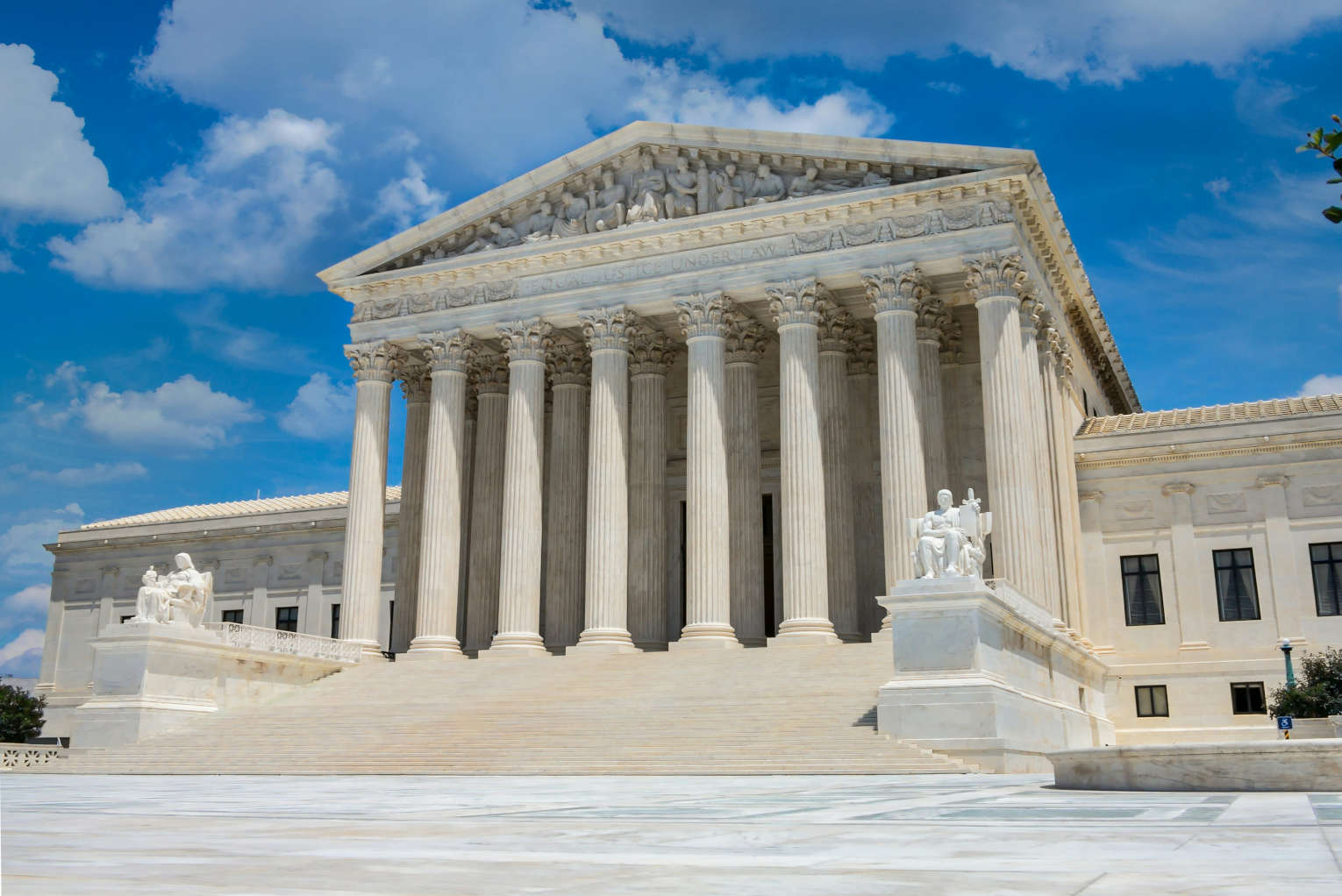

The Supreme Court will hear arguments next week in Louisiana v. Callais, a case that could set the stage for sweeping Voting Rights Act reform. At issue is whether Section 2 of the landmark 1965 law still protects voters from racial discrimination—or now compels states to racially gerrymander congressional districts.
Breaking News. Spirit-Filled Stories. Subscribe to Charisma on YouTube now!
The case stems from Louisiana’s Sixth Congressional District, drawn in 2022 to create two majority-black districts out of six, mirroring the state’s 30 percent black population. A group of “non-African American voters” challenged the map, calling it an unconstitutional racial gerrymander. One federal court ordered the state to create another majority-black district, while another condemned the plan for sorting voters by race—leaving officials trapped in legal contradiction.

Order Jonathan Cahn’s Newest Book, “The Avatar” on Amazon.com!
Critics argue that Section 2 has been transformed “from a shield against racial discrimination into a sword that compels racial gerrymandering.” After Congress amended the law in 1982, courts began applying a “results test,” requiring districts to reflect racial population ratios even without proof of discrimination.
Chief Justice John Roberts noted in Shelby County v. Holder that “things have changed dramatically in the South.” Indeed, minority voter registration and turnout now equal—or exceed—that of whites across most of the country.
Join Charisma Magazine Online to follow everything the Holy Spirit is doing around the world!
Supporters of Callais say the Court has a chance to reaffirm colorblind constitutional principles established in Students for Fair Admissions, which ended race-based college admissions.
This article originally appeared on American Faith, and is reposted with permission.