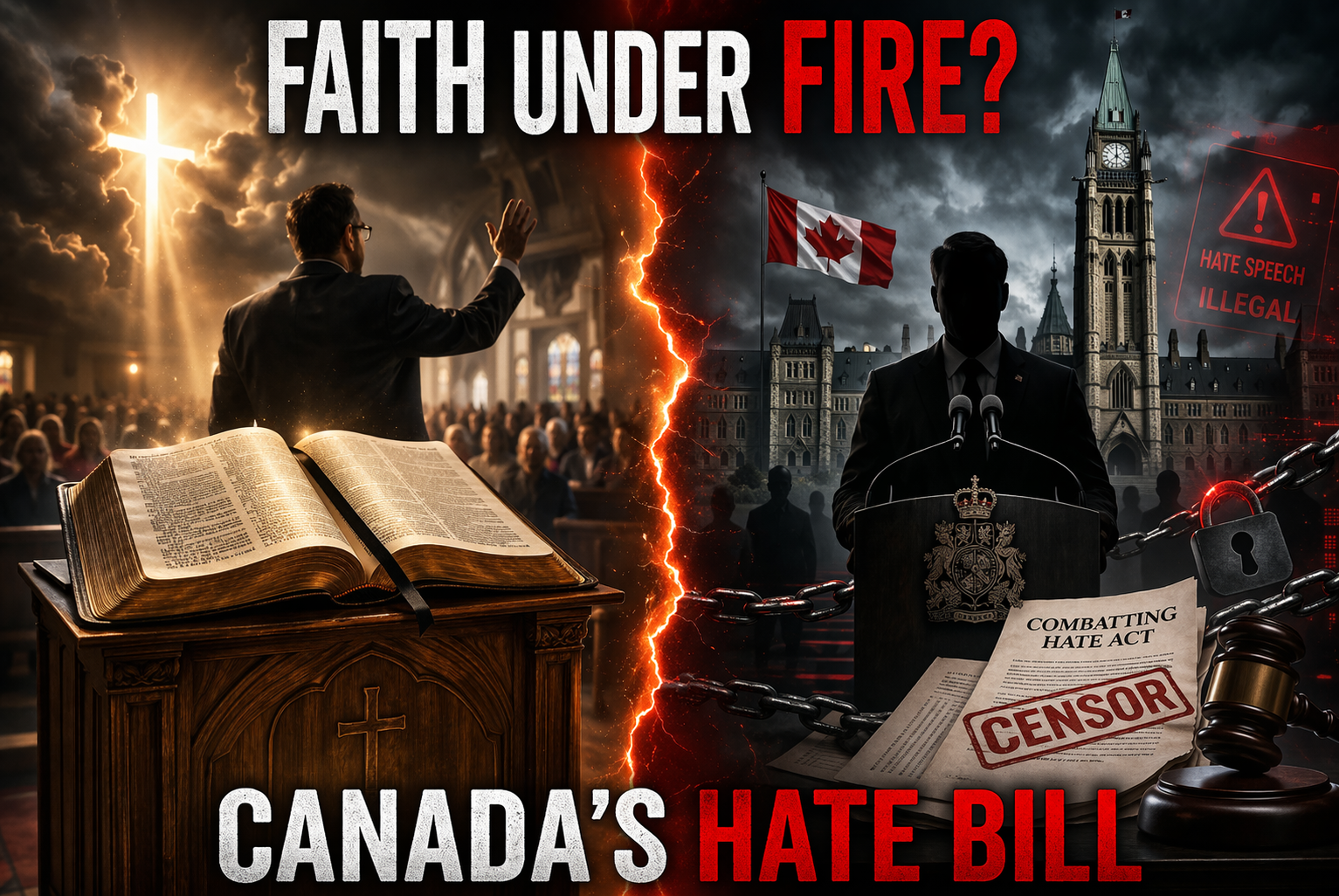

A new legislative push in Canada is igniting intense debate over free speech, religious liberty and the future of faith in the public square.
Freedom of Religion — But Not Without Limits
Canada’s legal framework, as outlined by its Department of Justice, affirms that citizens have the right to practice religion and freely express their beliefs. These protections are enshrined in the nation’s Charter of Rights and Freedoms.
However, the same charter also establishes that these freedoms can be limited under certain conditions. If the government determines that a restriction is justified in a free and democratic society, it has the authority to impose boundaries on expression — including religious expression.
This built-in tension between liberty and limitation is now front and center as new legislation emerges.
What’s Changing Under the Proposed Law
According to reporting from Fox News, this proposed “Combatting Hate Act” has sparked concern due to a key shift in how speech tied to religion could be treated.
At issue is the potential removal of a long-recognized legal protection that has allowed individuals to speak about religious matters in good faith without automatically falling afoul of hate laws.
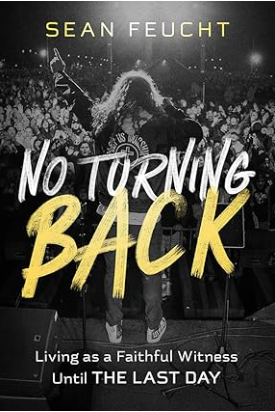
To order Sean Feucht’s new book, No Turning Back, visit Amazon.com.
For years, this protection has served as a safeguard for:
- Preaching and teaching Scripture
- Sharing traditional religious doctrine
- Engaging in faith-based moral discussions
Critics argue that removing this protection could make it far easier for religious expression to be challenged under expanded definitions of hate.
Fears of Legal Pressure on People of Faith
The concern isn’t just theoretical. As Fox News reports, Conservative lawmaker Andrew Lawton has warned that the legislation could be “weaponized” against believers.
Those raising red flags suggest the bill could:
- Increase legal scrutiny on pastors and ministry leaders
- Put biblical teachings under the microscope
- Encourage self-censorship among Christians who fear legal consequences
Critics worry religious viewpoints — particularly those rooted in longstanding Christian doctrine — could be interpreted as harmful under broader legal standards.
A Biblical Perspective: Persecution and the Last Days
The implications of this debate reach far beyond legal theory.
Scripture speaks plainly about a time when standing for truth would come at a cost. In Matthew 24, Jesus warns that His followers will face opposition because of their faith. Likewise, 2 Timothy 3 makes it clear that those who pursue godliness will encounter persecution.
Historically, these shifts rarely begin with sweeping bans. More often, they emerge gradually—through cultural pressure, changing language and evolving legal standards that redefine what is acceptable.
These developments are not unexpected, but they are deeply significant.
At its core, this moment is about more than policy. It’s about conviction.
Will Christians retreat in silence or rise in boldness? Because if history tells us anything, it’s this: Moments like these don’t silence the gospel.
They refine how we share it.
Abby Trivett is a writer and editor for Charisma Media and has a passion for sharing the gospel through the written word. She holds two degrees from Regent University, a B.A. in Communication with a concentration in Journalism and a Master of Arts in Journalism. She is the author of the upcoming book, The Power of Suddenly: Discover How God Can Change Everything in a Moment. For interviews and media inquiries, please contact [email protected].