
Teachers in multiple communities have faced discipline, leave and even resignations after posting public support for U.S. Immigration and Customs Enforcement (ICE) on social media. The incidents raise questions about free speech, community values and professional expectations for educators in diverse school districts.
In West Chicago, a veteran physical education teacher at Gary Elementary School resigned after writing “Go ICE” on his personal Facebook page. The simple comment drew widespread backlash from parents and community leaders in the predominantly Hispanic area, leading to protests and calls for his removal. The West Chicago Elementary School District placed him on paid leave during an investigation before his resignation was finalized.
Community leaders, including local elected officials, publicly criticized the teacher’s post, arguing it made students and families feel unsafe. District officials framed their actions as aimed at preserving a safe learning environment rather than suppressing speech, while some in the community acknowledged the teacher’s right to free expression even as they voiced concerns over the impact on immigrant families.
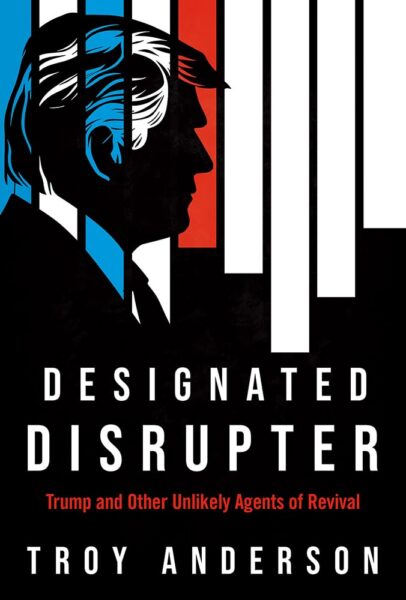
Order Troy Anderson’s New Book, “Designated Disrupter” on Amazon.com!
A second case unfolded on the West Coast in Watsonville, California, where a special education teacher’s pro-ICE comments on social media sparked outrage within the majority Latino community. Parents and local activists argued her statements created a hostile environment for students from immigrant families, leading the Pajaro Valley Unified School District to place her on paid administrative leave.
Critics of the disciplinary actions frame the incidents as free-speech controversies. They argue that educators should not face career consequences for expressing personal political views, especially on national policy matters such as immigration enforcement. Supporters of the disciplinary measures counter that teachers hold a position of influence and must maintain a professional standard that fosters inclusivity for all students.
These disputes reflect broader tensions in American society over immigration policy, community identity and the boundaries of personal speech for public employees. As schools grapple with diverse student populations, the balance between individual rights and community expectations remains a contentious issue.
This article originally appeared on American Faith and is reposted with permission.