
Purim is one of the most unique and joyful celebrations on the Jewish calendar—and the Bible story it celebrates still resonates deeply with believers today, who know that God can turn even the darkest circumstances into triumph. Though it’s best known for colorful costumes and festive feasting, at the heart of Purim is the life-changing story of a young Jewish woman whose courage altered the course of history.
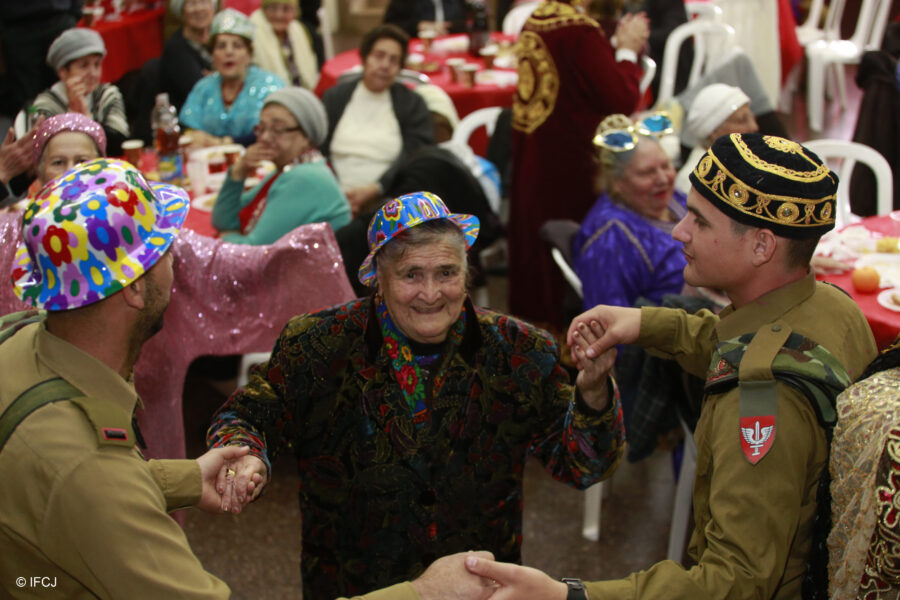
Each year, on the 14th day of the Hebrew month of Adar, Jews around the world celebrate Purim. In 2026, Purim begins at sunset on March 2 and continues through March 3 on the Gregorian calendar—a time to remember when the Jewish people faced annihilation, and the remarkable ways in which God moved in order to bring salvation.
A Grave Threat in Ancient Persia
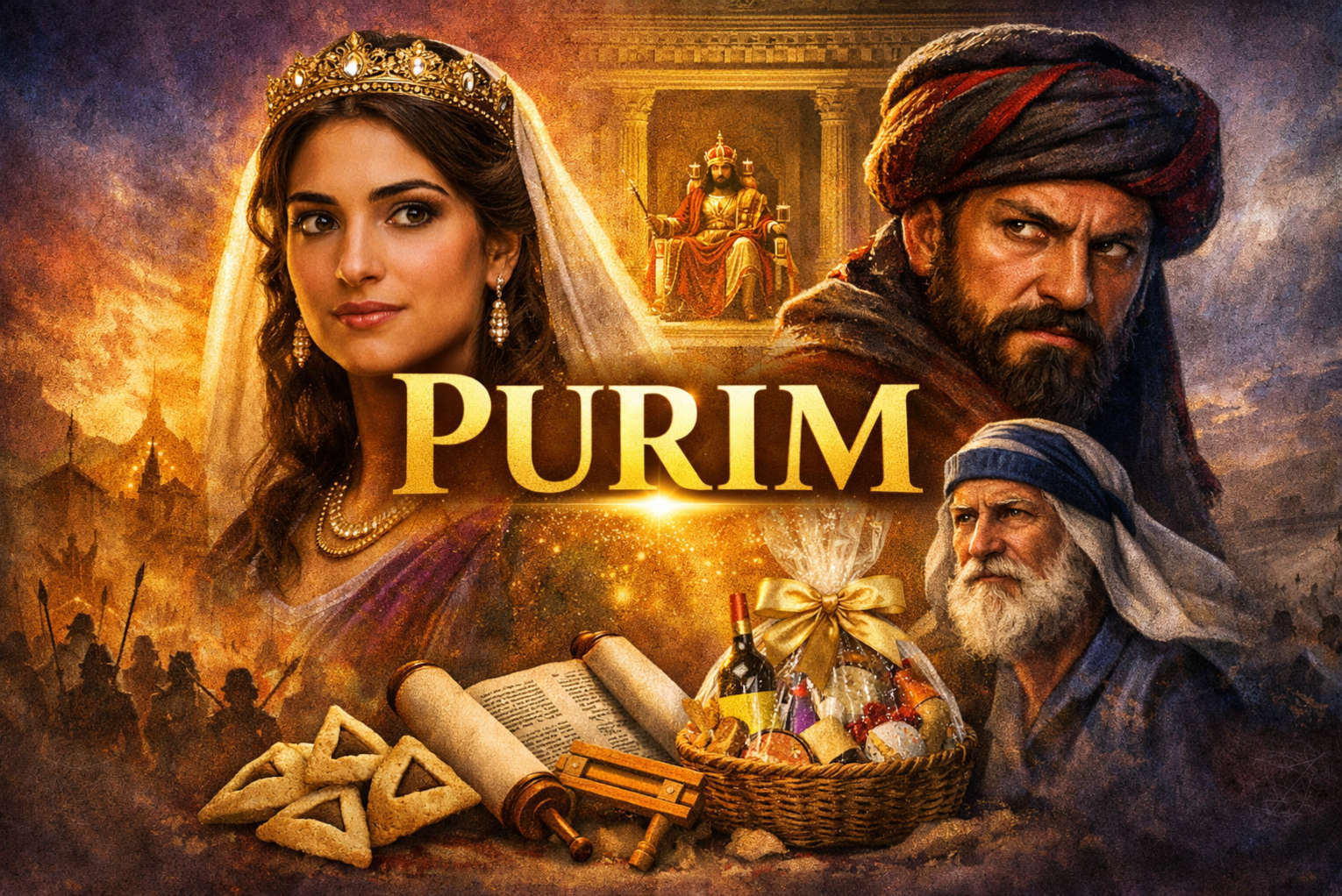
The story of Purim is told in the biblical Book of Esther, also called Megillat Esther, and it unfolds in the ancient Persian Empire. There, a young Jewish woman named Esther—an orphan raised by her cousin Mordecai—unexpectedly became queen. With Mordecai’s guidance, Esther found favor with King Xerxes, all the while keeping her Jewish identity a secret.
The peace of the Jewish community was shattered when Haman, one of the king’s top advisors, rose to power. Enraged that Mordecai refused to bow to him, Haman plotted revenge not just against Mordecai but against the entire Jewish people. With the king’s approval, Haman issued a decree that called for the annihilation of Jews throughout the empire. This royal edict set a date for their destruction, chosen by casting lots—Purim in Hebrew—and thus the name of the holiday was born.
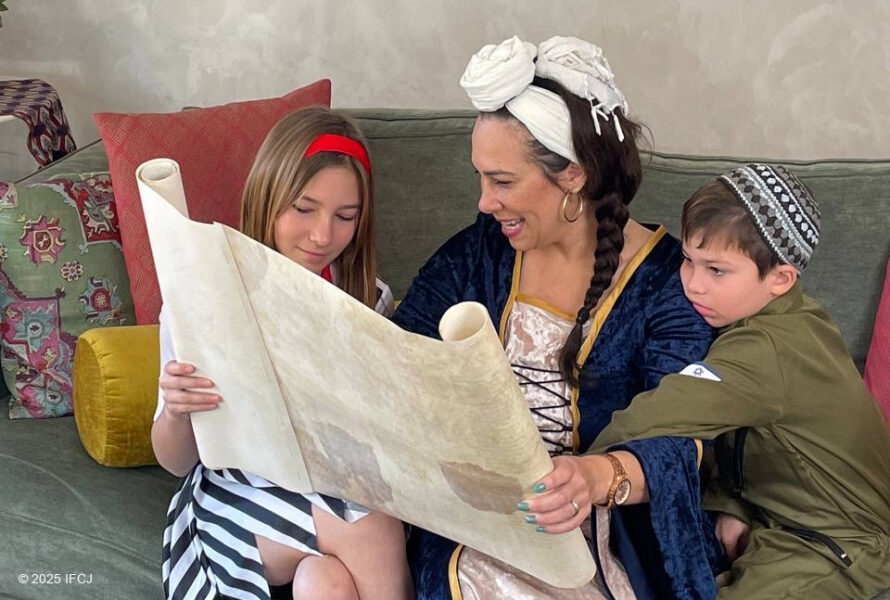
Faced with imminent doom, Mordecai turned to Esther and urged her to intercede with the king. Approaching the king without being summoned was a dangerous act—one that could cost her life. Yet Esther recognized that she was placed in her position for “such a time as this” (Esth. 4:14). In words that have echoed through history, Esther told Mordecai that if she stayed silent, deliverance would come from another place, but she and her family would perish. With courage—and with faith—Esther resolved to risk everything to save her people, the Jewish people, God’s people.
Esther asked all the Jews to fast and pray with her for three days. Then she went before King Xerxes, revealing Haman’s evil plot. Moved by Esther’s courage and alarmed at the threat against her people, the king granted her request. Haman was executed on the very gallows he had built for Mordecai. Through Esther’s bravery, Mordecai’s wisdom, and God’s providence, the Jewish people were saved from destruction—a moment of deliverance that has been honored ever since with the festival of Purim.
The Meaning of Purim
Purim, which means “lots” in Hebrew, draws its name from the lots Haman cast to determine the day of the planned genocide. While the name points to Haman’s scheme, the meaning of Purim goes far deeper. It honors the courage of Esther and Mordecai and celebrates the resilience and unity of the Jewish people in a time of crisis.
One interesting thing about Purim—the Book of Esther is the only book in the Bible that doesn’t mention God’s name. This is a reminder to us all that even in moments when God’s name is not spoken, His guiding hand is at work.
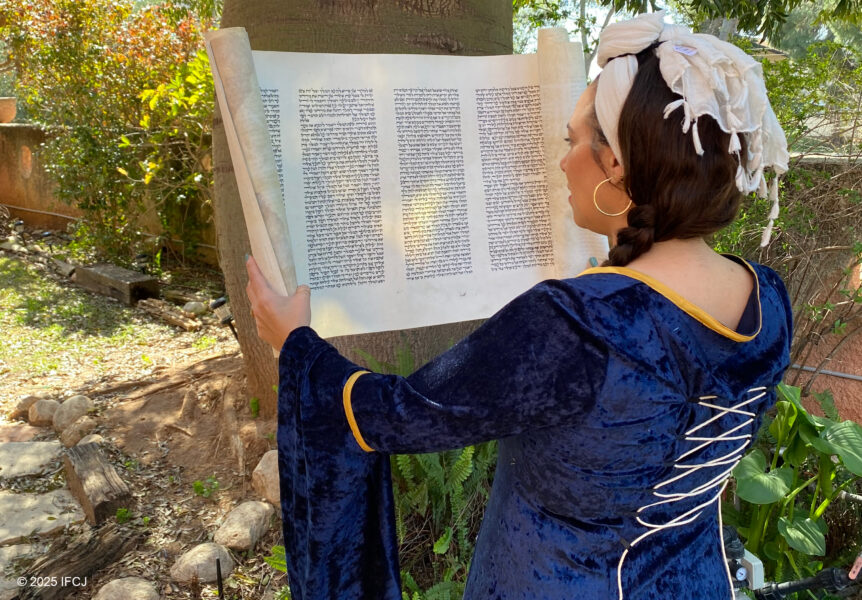
Purim also highlights the strength of community. The Jews in Persian exile fasted and prayed together, demonstrating the power of collective solidarity. We are stronger together than we are apart—something that’s just as true today as it was in Esther’s time.
Purim Traditions and Celebrations
Today, Purim is celebrated with a variety of joyful customs that express both the seriousness of the story and the delight of deliverance:
- Reading the Book of Esther: One of the most important traditions on Purim is the public reading of the Megillat Esther. Jews gather to hear the biblical account of Esther’s story, often with spirited participation like shouting, booing, or using noisemakers whenever Haman’s name is mentioned—a way of symbolically blotting out his memory.
- Festive Rejoicing: Purim is meant to be a time of joy. Families and communities dress up in costumes, hold carnivals and celebrations, and feast together in gratitude for life and deliverance.
- Sending Gifts of Food: This custom involves sending food baskets to friends and neighbors, expressing friendship, kinship, and shared joy.
- Giving to the Poor: Giving gifts to the needy is a fundamental part of Purim. Ensuring that everyone can participate in the celebration is a reminder that joy is more complete when we share it with others.
- Traditional Treats: Triangular, hat-shaped cookies called Hamantaschen are shared and enjoyed, adding a sweet note to the holiday’s merriment.
A Holiday of Hope and Courage
Purim is more than a historical commemoration—it’s a reminder for every generation that bravery, faith, and unity matter. Esther’s example encourages us not to remain silent when faced with injustice or fear. Her story teaches that courage paired with faith can bring about rescue even in the most desperate situations. As we celebrate Purim, we honor not only the survival of a people, but the enduring truth that light can shine even in dark times.
Yael Eckstein is the President and Global CEO of the International Fellowship of Christians and Jews, the leading non-profit blessing Israel and the Jewish people with lifesaving aid. Learn more about the Jewish roots of your Christian faith, how you can support God’s children, and this joyful celebration of God’s Creation.