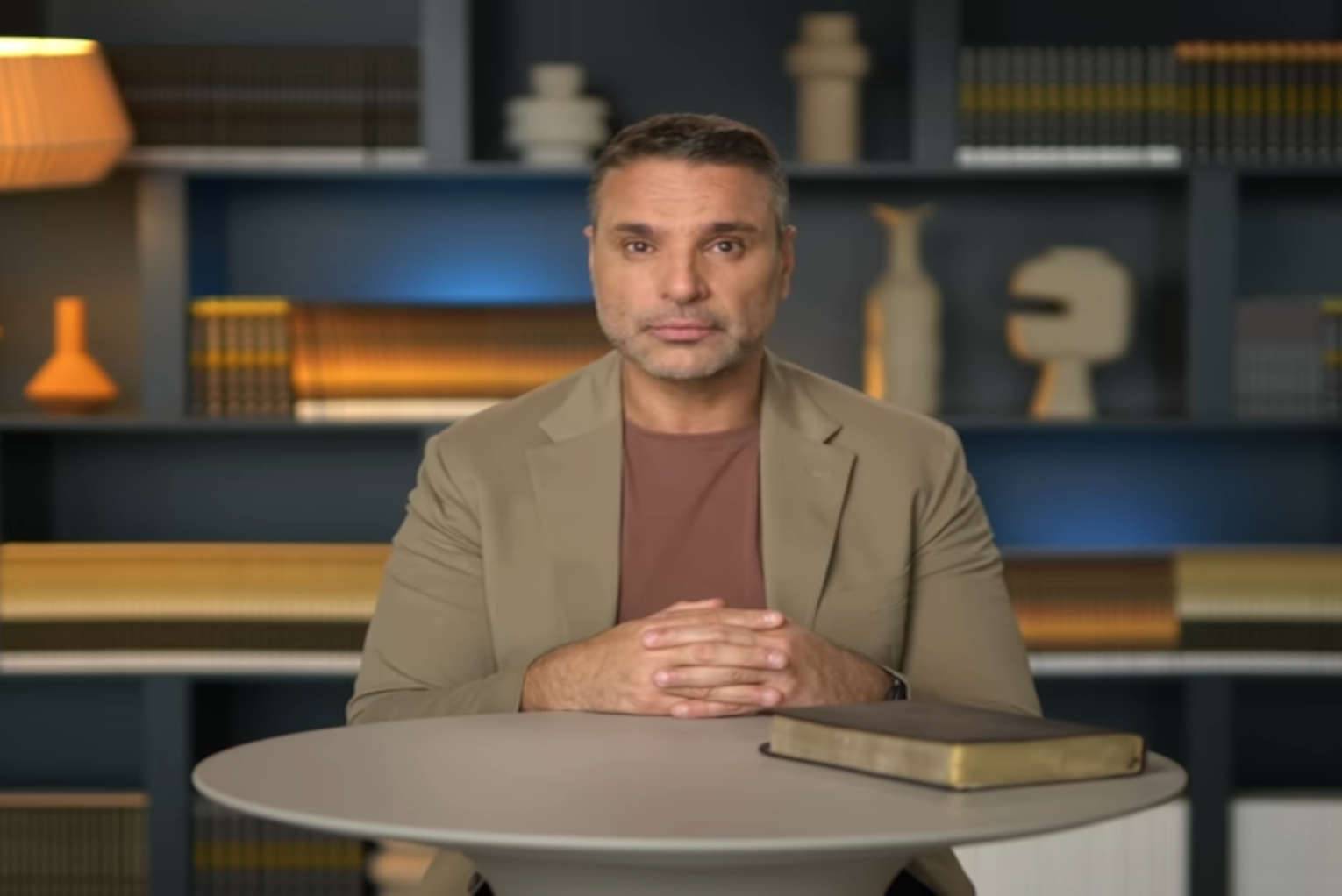
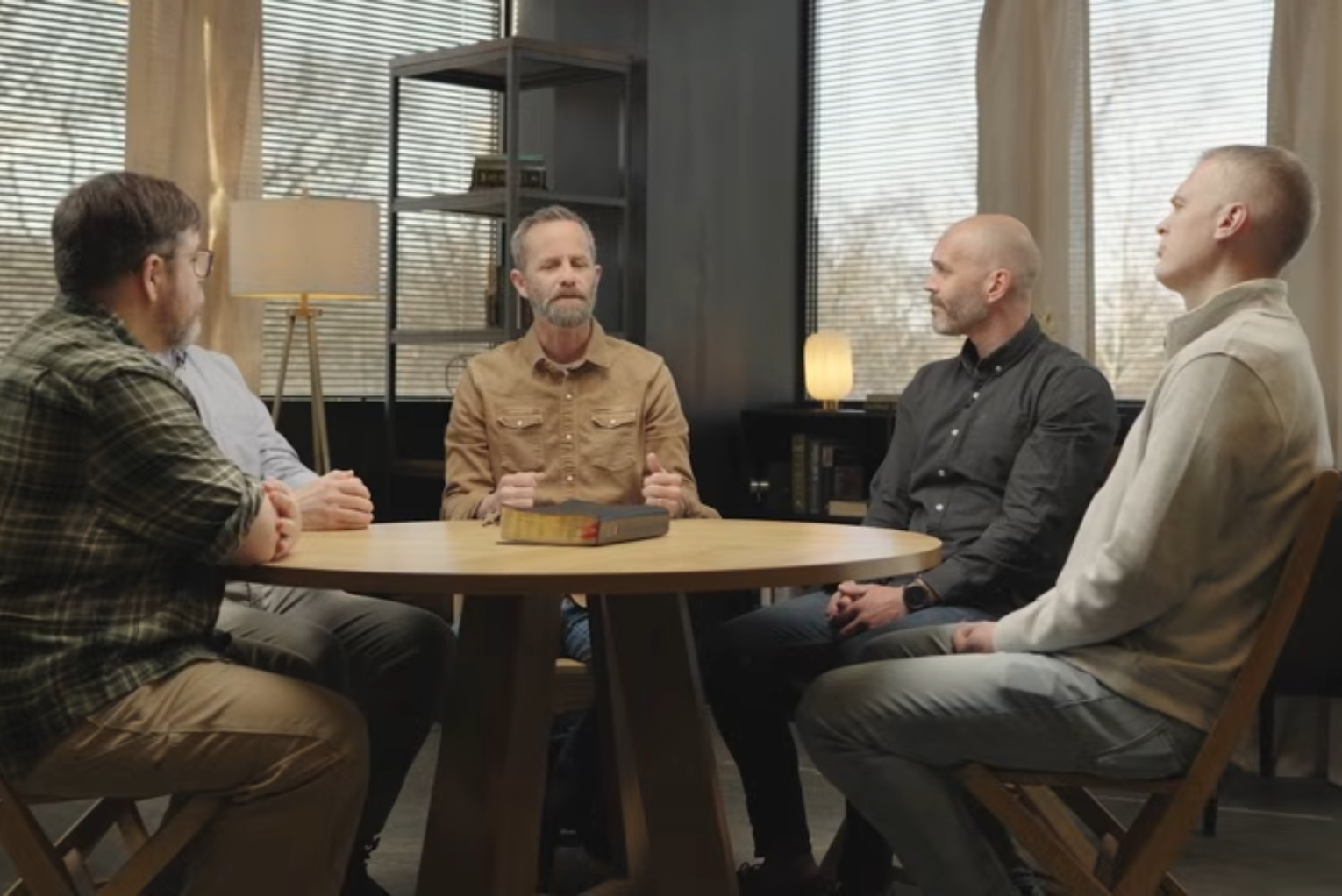

After Kirk Cameron found himself under fire for his statements regarding whether or not hell is forever, he hosted a panel of evangelical theologians to share their positions on it.
Cameron emphasized that the goal was not to “pick sides” or stage a theological contest. He framed the discussion as whether disagreements over hell should be considered primary or secondary doctrinal issues.
“The nature of the punishment in hell is not a primary issue,” Cameron states at the video’s start. “You know, the gospel is a primary issue. The resurrection is a primary issue. This may not be a secondary issue for my neighbor, who is not wrestling with the resurrection of Jesus because he read The Case for Christ.”
The panel represented two main perspectives. One group defended the traditional doctrine of eternal conscious punishment, which holds that the unrighteous will experience ongoing conscious judgment after the final resurrection. Others presented the view of annihilationism, which Cameron holds, arguing that the wicked ultimately experience destruction—an irreversible death—rather than perpetual conscious torment.
Cameron read numerous passages describing fire, destruction, torment, and “weeping and gnashing of teeth,” prompting debate over whether such imagery should be understood literally, symbolically or contextually, particularly in books such as Revelation.
Whatever interpretive differences Christians may wrestle with, Scripture is unequivocal on this point: hell is not temporary, symbolic or inconsequential. Jesus Himself spoke of “eternal punishment” in contrast to “eternal life” (Matt. 25:46), using the same word—aiōnios—to describe both destinies. Revelation declares that the judgment of the wicked is irrevocable, portraying consequences that endure “forever and ever” (Rev. 14:11; 20:10). Paul writes of those who “will suffer the punishment of eternal destruction, away from the presence of the Lord” (2 Thess. 1:9).
The doctrine of hell is not meant to satisfy curiosity or fuel speculation, but to magnify the seriousness of sin, the holiness of God, and the immeasurable mercy offered through Jesus Christ. Scripture presents hell as final, fearful and eternal—proving why the gospel is not merely an invitation, but a rescue.
Abby Trivett is a writer and editor for Charisma Media and has a passion for sharing the gospel through the written word. She holds two degrees from Regent University, a B.A. in Communication with a concentration in Journalism and a Master of Arts in Journalism. She is the author of the upcoming book, The Power of Suddenly: Discover How God Can Change Everything in a Moment.