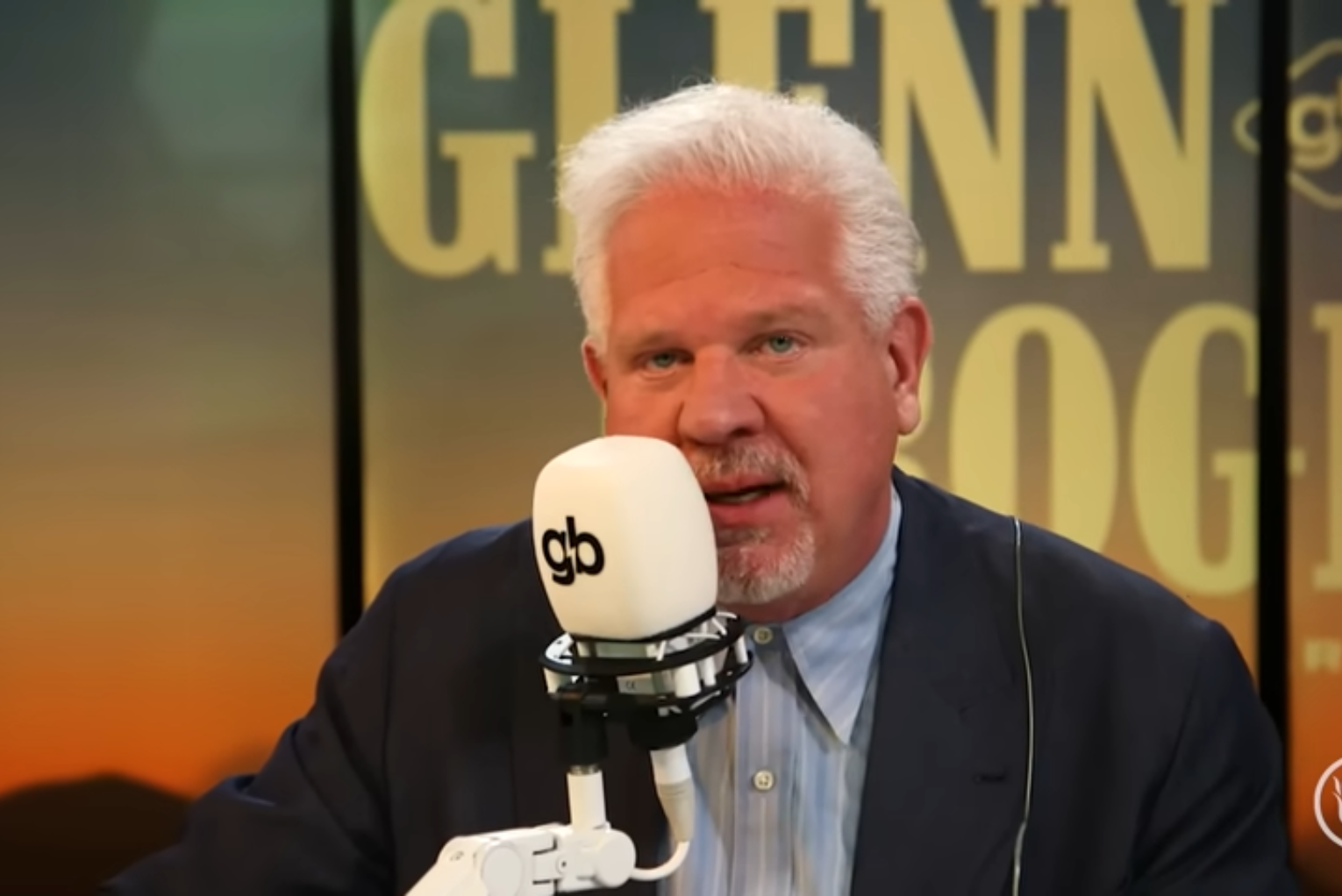

After facing mounting pressure to speak out amid controversy surrounding the death of Charlie Kirk and rumors about Erika Kirk, conservative commentator Glenn Beck delivered an emotional and principle-driven response that cut far deeper than the headlines.
“For me, it’s personal,” he said, revealing that his own children had been dragged into speculation. “Have your children been dragged into it? … Were your children brought into it? Cuz mine were.” Still, he insisted, “That’s for me and my wife and my family.”
But what Beck really wanted to address wasn’t personal grievance. It was principle.
“I’ve lived my life since I was 13 years old behind a microphone,” he said. Over decades of success and failure, Beck says he has learned a sobering truth about public life: “Fame is battery acid for the soul.”
“It corrodes you from the inside. It corrodes your identity,” he warned. “If you don’t know who you are before the spotlight hits you… that spotlight will then tell you who you are and it will lie to you every step of the way.”
In the age of social media, Beck argued, the spotlight isn’t reserved for celebrities. “Members of my audience have an audience. … This applies to all of us in this age of social media.”
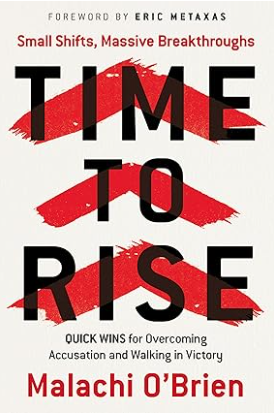
To order Malachi O’Brien’s book, Time to Rise, visit Amazon.com.
He described outrage as a drug—one that demands constant escalation.
“Yesterday’s outrage isn’t a big enough drug,” he said. “You have to reveal something darker, something more shocking….”
Beck admitted he has wrestled with this temptation himself to join this culture. He said, “When you are addicted to that high, you addict others to that high as well. You got to keep the audience high.”
However, there is a cost.
“When you walk away from just the outrage part… I guarantee you, you’re going to be accused of selling out,” he said. “If you show restraint, you’ve been compromised.”
At the heart of his message was a plea for decency in the face of grief, especially for Erika Kirk.
“Grief is sacred ground, and it’s not [a] battleground for speculation,” Beck said firmly. “If someone dies and you believe a crime occurred, there’s a process to that. There are investigators, there are courts.”
Ultimately, he said, “You don’t conduct a trial through thumbnails and trailers.”
While Beck passionately defended free speech—“I will defend someone’s right to say the despicable things they’ve said about my children and me”—he drew a sharp distinction between rights and responsibility.
“Free speech is not the same as moral obligation and responsibility,” he said. “The First Amendment protects your right to speak. It does not compel you to speak. It doesn’t sanctify escalation.”
Perhaps most striking was his closing warning to a culture consumed by clicks and controversy:
“Truth requires patience. Justice requires evidence. Grief requires space. These are not partisan values. These are civilization values.”
And if those values are lost?
“It doesn’t matter who wins the argument.”
To watch Glenn Beck’s full video, click here. (Editor’s note: Mild language.)
Abby Trivett is a writer and editor for Charisma Media and has a passion for sharing the gospel through the written word. She holds two degrees from Regent University, a B.A. in Communication with a concentration in Journalism and a Master of Arts in Journalism. She is the author of the upcoming book, The Power of Suddenly: Discover How God Can Change Everything in a Moment. For interviews and media inquiries, please contact [email protected].