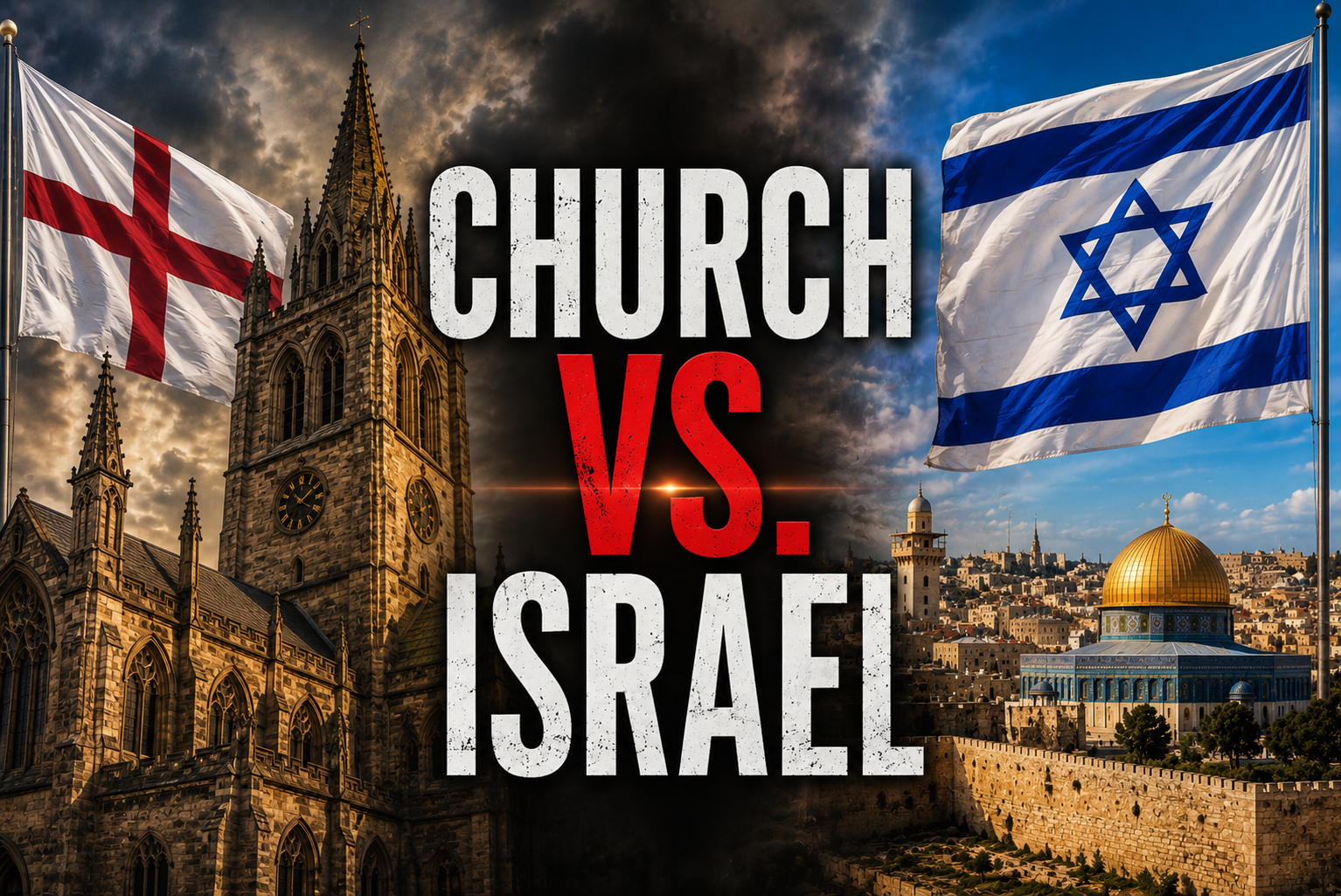


A stunning decision by the Church of England is drawing fierce criticism from Jewish leaders after its governing body voted to engage with a controversial document that accuses Israel of genocide and presents one of the most disputed narratives surrounding Hamas’ Oct. 7 terrorist attack.
Even more striking, Israel365 News reported that the General Synod nearly considered an amendment that would have gone a step further by formally describing Israel’s actions in Gaza as “genocide” while suggesting Hamas’ Oct. 7 massacre was the product of decades of Israeli oppression. The proposal never reached a vote—not because it was rejected, but because Synod members simply ran out of time before debate concluded.
According to The Jerusalem Post, the Church of England’s General Synod overwhelmingly approved a motion encouraging Anglicans to receive and engage with the document as a way of hearing the voices of Palestinian Christians. Church leaders emphasized that engaging with the document should not be interpreted as endorsing every statement it contains.
Critics, however, argue that distinction offers little comfort.
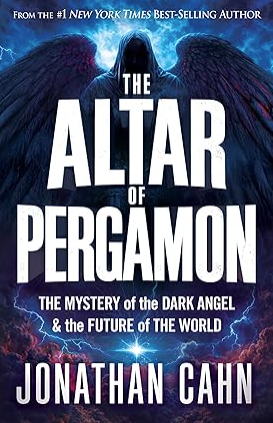
To order Jonathan Cahn’s new book, The Altar of Pergamon, visit Amazon.com.
As reported by both Israel365 News and The Jerusalem Post, the document, Kairos II, portrays Israel as “a colonial enterprise built on racism” and characterizes the current war in Gaza as part of a broader campaign of oppression. While the document condemns Hamas’ Oct. 7, 2023, attack on Israeli civilians, it also describes the massacre as an event “born out of decades of injustice, oppression and displacement.”
For many Jewish leaders, that wording crosses a dangerous line.
Chief Rabbi Sir Ephraim Mirvis warned Synod members that the document is riddled with historical inaccuracies and represents what he described, according to The Times, as “political activism dressed up as theology.” He cautioned that embracing the document—even indirectly—could erode decades of trust painstakingly built between Jewish and Christian communities.
The Board of Deputies of British Jews echoed those concerns, urging the Synod to reject the motion altogether.
According to The Times, the organization argued that a church committed to confronting antisemitism should not elevate a document that, in its view, fundamentally misrepresents Zionism and the modern State of Israel.
Moments like these demand more than political opinions—they require spiritual discernment. Scripture commands believers to “pray for the peace of Jerusalem” (Ps. 122:6), pursue truth without compromise and refuse narratives that blur the distinction between evil and good.
Abby Trivett is a writer and editor for Charisma Media and has a passion for sharing the gospel through the written word. She holds two degrees from Regent University, a B.A. in Communication with a concentration in Journalism and a Master of Arts in Journalism. She is the author of the newly released book, The Power of Suddenly: Discover How God Can Change Everything in a Moment. For interviews and media inquiries, please contact [email protected].