
“The body won’t go where the mind has not already been.”
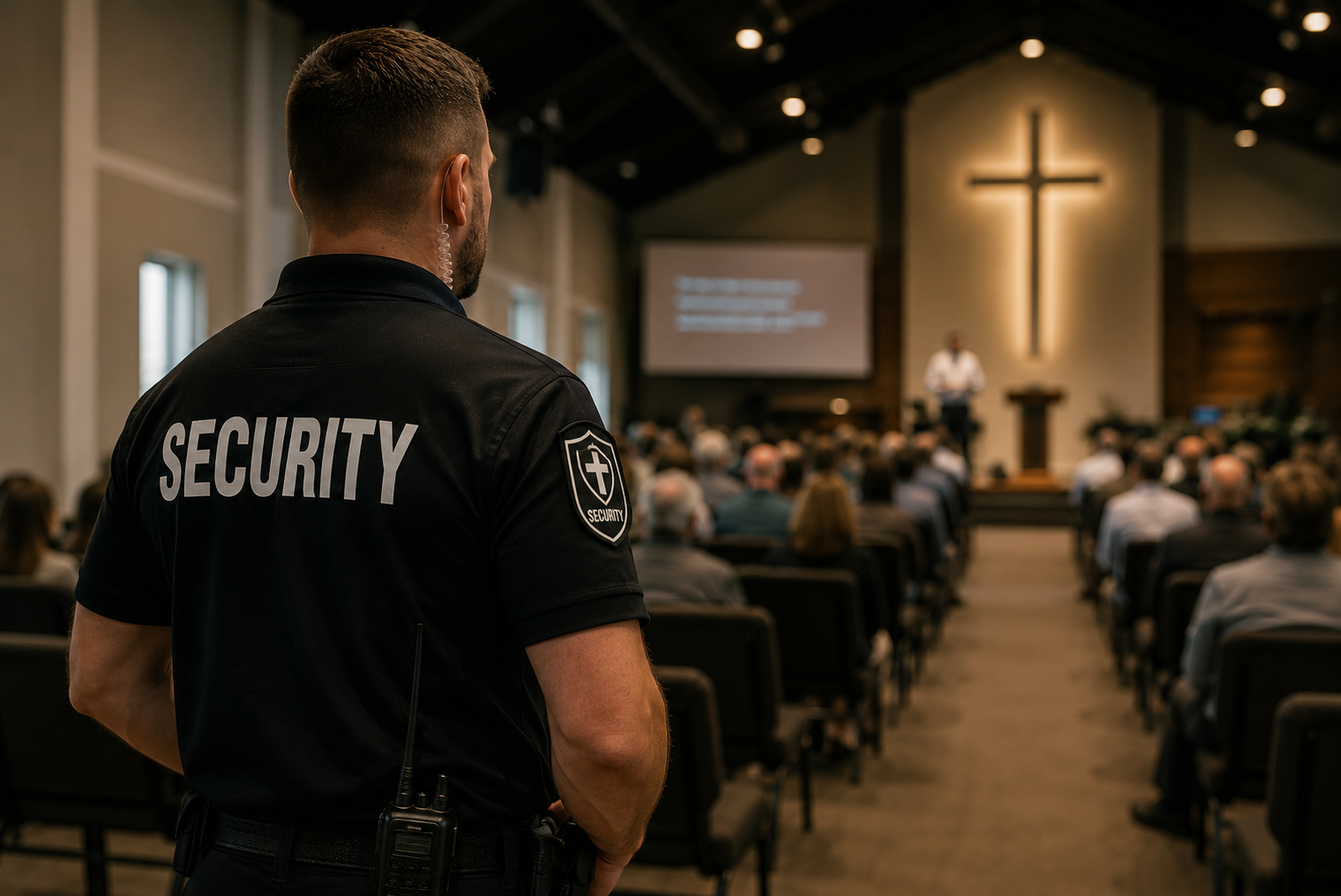
Over the years I’ve had the opportunity to talk with a lot of security professionals who have said something very similar to this statement. They are talking about how important it is to not only train, but to practice different scenarios that could happen at your church.
“Training is the learning ground, it’s where you can make mistakes and explore ways to improve,” said Craig Cable, director of ministry and safety for Lightwell Insurance Advisors, a national network of independent insurance agencies. In addition to his role with Lightwell, Cable is a ministry safety advocate serving as head of security for a multi-ministry organization in northern Colorado. With over a decade of experience, he has led volunteer teams, developed church safety training programs, and served in law enforcement.
While training for a high impact situation like an armed intruder is key, safety and security teams also should practice scenarios such as a medical emergency, disruptive individual, severe weather, and lost child.
This helps pressure test your policies and practices to improve your team’s effectiveness. Setting up scenarios in the environment where the event is likely to occur helps volunteers see the opportunities and challenges in that space. For example, practice disruptions in the sanctuary, kid-based scenarios in the children’s ministry area, or medical emergencies in gathering spaces.
“Whether it’s a couple arguing in the parking lot, disruptive individual during service, or custody dispute in the children’s wing, emotionally charged situations can quickly escalate,” said Cable. “If volunteers aren’t trained to deal with the added stress, their own emotions can take over, leading to poor decisions and the potential for injury or liability for your ministry.”
Finding the WIN
Training also is an opportunity to see how team members will react during stressful situations. This enables the team to practice appropriate responses to verbal challenges and allows participants to adjust their approach to help calm the situation. It also helps volunteers see the ministry opportunity in helping people through stressful or emotional situations. Cable explains this helps security team members to see the person, not just the problem.
“Using your words to help find common ground, and getting people to comply with the ask, can resolve issues peacefully, and that’s what we call the WIN,” he said.
WIN stands for “What’s Important Now,” and it’s a helpful reminder to maintain proper perspective. For most situations, Cable advises, “You need team members who can pull back on the things they want to say and focus on the things they need to say.”
To help security team volunteers learn how to safely de-escalate potentially threatening situations, they need to first learn how to control their natural reactions. Realistic training scenarios introduce stress in a controlled environment, helping your team prepare to handle chaotic scenes with composure and calmness.
Introducing Stress Inoculation
Without proper preparation, small disagreements can turn into full-blown shouting matches. What starts with a request to leave the building can end in a physical altercation. Even mild-mannered volunteers can unintentionally escalate a situation if they lack the training to keep their emotions in check. “To help successfully resolve situations, security team members need to be inoculated from the stress,” he said.
Using realistic training scenarios can help volunteers become more accustomed to controlling their emotions. As a result, they can think more clearly and stay focused on safely resolving the confrontation. This helps protect the volunteer, the ministry, and the individual causing the disruption.
TRAINING SCENARIOS
A soft answer turns away wrath, but a harsh word stirs up anger. – Proverbs 15:1
The following scenarios test “tactical communication,” which is how your team uses words strategically to get individuals to willingly comply with a request. While this is a good place to start, get creative, adding variables and new scenarios as your team becomes more proficient.
Pressure Test 1: Sanctuary
During regular church service, an individual draws the attention of your security team. He’s not disruptive, but he is acting abnormally. He’s wearing sunglasses, a ball cap, and long coat. He’s mumbling to himself.
- What’s your plan for monitoring him?
- What’s your plan if he walks toward the stage or retrieves something from his vehicle?
- How will you engage him in conversation?
Pressure Test 2: Youth Room
A father thinks his daughter’s boyfriend is a bad influence and asks that she not see the teen anymore. The teen shows up to a Sunday service and is stopped by the father in the lobby. An argument breaks out.
- How will your team navigate this potentially volatile situation?
- Who is the aggressor?
- What is your goal for this situation (What’s Important Now)?
Pressure Test 3: Lost Child
Following worship, a mom attempts to pick up her daughter from the nursery. The volunteer is unable to find the child. The mom immediately becomes frantic. The dad learns of the situation and becomes outraged.
- How do you get productive info from the upset parents?
- How will your team locate the child?
- How will you coordinate bystanders that want to help?
Get more risk management guidance with free resources for churches from the Brotherhood Mutual Safety Library, including the Violence in the Church Checklist and this article on Developing a Volunteer Safety and Security Team.
Brian Lindquist brings a unique perspective on this topic as a leader with his church safety and security team and as a senior risk management writer for Brotherhood Mutual Insurance Company. He works closely with risk control, underwriting, claims and legal staff, and with outside experts to research ways ministries can take action to operate safely and reduce loss.
